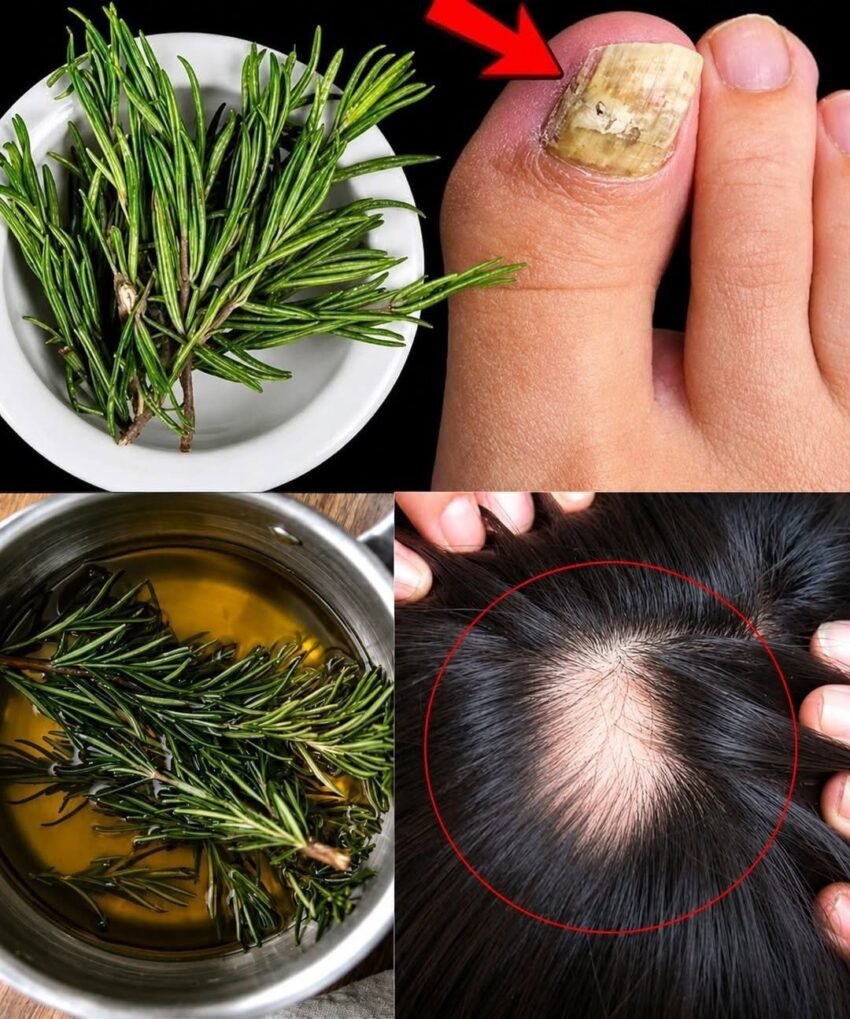
This Simple Remedy May Help Fight Fungal Problems on Your Scalp, Hands, Nails, and Feet — What Science Actually Says
Learn what really helps with scalp, hand, nail, and foot fungus, which natural remedies may support treatment, and when to see a doctor.
This Remedy Gets Rid of Fungus on the Scalp, Hands, Nails, and Feet Super Fast! Here’s What You Should Know
Fungal infections can be frustrating.
They itch. They spread. They can make your skin feel uncomfortable and leave you searching for anything that might work quickly.
Maybe you’ve noticed:
- Flaky patches on your scalp
- Peeling skin between your toes
- Itchy, red areas on your hands
- Thick, discolored toenails
- Cracked skin that keeps coming back
When something affects your appearance and comfort, it is natural to look for a fast solution.
One remedy that gets a lot of attention online is tea tree oil. Many people recommend it for fungal problems because it has natural compounds that show antifungal activity in laboratory studies.
But here’s the important part:
A natural remedy is not always a guaranteed cure, and “works instantly” claims often leave out important details. Some fungal infections—especially nail fungus and scalp infections—can be stubborn and may require proven antifungal treatments.
So what does science actually say?
Let’s look at what may help, how to use remedies safely, and what mistakes can make fungal problems worse.
What Causes Fungal Infections?
Fungal infections happen when certain fungi grow excessively on the skin, nails, or hair.
Common types include:
Athlete’s Foot (Tinea Pedis)
Usually affects:
- Between the toes
- Soles of the feet
- Sides of the feet
Symptoms may include:
- Itching
- Burning
- Peeling
- Cracking skin
Nail Fungus (Onychomycosis)
This affects the fingernails or toenails.
Signs include:
- Yellow or white discoloration
- Thickened nails
- Brittle texture
- Crumbling edges
- Nail separation
Nail fungus often takes months to improve because nails grow slowly.
Scalp Fungus (Tinea Capitis)
More common in children but can affect adults.
Symptoms may include:
- Scaly patches
- Itching
- Hair breakage
- Hair loss in affected areas
Scalp fungal infections often require medical treatment because topical products may not penetrate deeply enough.
The Popular Remedy: Tea Tree Oil
Tea tree oil comes from the leaves of the Australian tea tree (Melaleuca alternifolia).
It contains compounds called terpenes, especially terpinen-4-ol, which have demonstrated antifungal activity in laboratory studies.
Research has explored tea tree oil for conditions such as:
- Athlete’s foot
- Mild nail fungus
- Certain skin fungal infections
Some studies suggest it may improve symptoms in certain cases, but results are not the same as a proven cure for every fungal infection.
How Tea Tree Oil May Help
Tea tree oil may work by affecting fungal cell membranes, making it harder for fungi to survive.
However, laboratory effects do not always translate perfectly to real-world treatment.
The effectiveness depends on:
- The type of fungus
- The location of infection
- How severe the infection is
- The concentration used
- How consistently it is applied
How to Use Tea Tree Oil Safely on Skin
Never apply pure essential oils directly to large areas of skin.
Tea tree oil can irritate some people and may cause:
- Burning
- Redness
- Rash
- Allergic reactions
A safer approach is:
- Dilute tea tree oil with a carrier oil such as coconut oil or another suitable skin-safe oil.
- Apply a small amount to the affected area.
- Test on a small patch first.
- Stop if irritation develops.
Avoid using tea tree oil:
- Inside the mouth
- Near the eyes
- On broken skin without medical guidance
What About Nail Fungus?
This is where many people become disappointed.
Nail fungus is difficult to treat because the infection is located inside and beneath the nail.
Even effective treatments can take:
- Several months for fingernails
- 9–12 months or longer for toenails
Tea tree oil may help some mild cases, but moderate or severe nail fungus often responds better to medically approved antifungal treatments.
Other Evidence-Based Treatments
Depending on the location and severity, healthcare professionals may recommend:
For Skin Fungus
Common treatments include antifungal creams containing ingredients such as:
- Terbinafine
- Clotrimazole
- Miconazole
These are widely used for conditions like athlete’s foot and ringworm.
For Nail Fungus
Treatment options may include:
- Prescription antifungal tablets
- Prescription nail solutions
- Professional evaluation
Because nail fungus can resemble other nail conditions, proper diagnosis matters.
For Scalp Fungus
Scalp fungal infections often require oral antifungal medication prescribed by a healthcare provider.
Special shampoos may help reduce spread but may not eliminate the infection alone.
Natural Habits That Help Prevent Fungus
Treatment works better when you remove the conditions fungi love.
Keep Skin Dry
Fungi thrive in warm, moist environments.
Helpful habits:
- Dry feet thoroughly after bathing.
- Change socks regularly.
- Avoid staying in damp shoes.
- Wear breathable footwear.
Wash Towels and Clothing Regularly
Fungi can remain on fabrics.
Wash:
- Socks
- Towels
- Bedding
- Clothing that touches infected areas
Avoid Sharing Personal Items
Do not share:
- Nail clippers
- Towels
- Shoes
- Hairbrushes
Common Mistakes That Make Fungus Worse
Stopping Treatment Too Early
Symptoms may improve before the fungus is completely gone.
Finishing the recommended treatment period matters.
Scratching the Area
Scratching can spread infection to other parts of the body.
Using Harsh Chemicals
Bleach or strong household chemicals can damage skin and increase irritation.
Ignoring Nail Changes
Many people wait until nail fungus becomes severe. Early treatment is usually easier.
When Should You See a Doctor?
Seek professional advice if:
- The infection spreads quickly.
- You have diabetes.
- Your immune system is weakened.
- The scalp is involved.
- There is pain, swelling, or pus.
- Home treatment hasn’t helped after several weeks.
- Nail changes continue or worsen.
Frequently Asked Questions
Can tea tree oil completely remove fungus?
Tea tree oil may help with some mild fungal problems, but it is not guaranteed to eliminate all infections.
How long does fungal treatment take?
Skin fungus may improve within weeks, while nail fungus can take many months.
Can vinegar kill fungus?
Some laboratory studies suggest vinegar has antifungal properties, but strong evidence for treating human fungal infections is limited.
Can scalp fungus be treated at home?
Scalp fungus often requires medical treatment because the infection affects hair follicles.
Is nail fungus contagious?
Yes. It can spread through shared towels, shoes, nail tools, and direct contact.
Can fungus disappear without treatment?
Some mild skin infections may improve, but many fungal infections persist without proper care.
Action Checklist
✔️ Do
- Keep affected areas clean and dry.
- Use proven antifungal treatments when needed.
- Wash clothing and towels regularly.
- Wear breathable shoes.
- Seek medical advice for persistent infections.
❌ Avoid
- Applying undiluted essential oils.
- Expecting instant cures.
- Sharing personal items.
- Ignoring worsening symptoms.
- Replacing medical treatment for serious infections with home remedies.
Conclusion
Fungal infections can be stubborn, but they are usually manageable with the right approach.
Natural remedies like tea tree oil may offer support for some mild skin fungal problems, but claims that one remedy can instantly eliminate fungus from the scalp, hands, nails, and feet are often exaggerated.
The most effective strategy combines proper treatment, good hygiene, and patience. Understanding the type of fungal infection you have is the first step toward getting rid of it.
Tea tree oil and other natural remedies may help in certain situations, but there is no universal “instant cure” for fungus. For lasting results, use evidence-based treatments and know when professional care is needed.