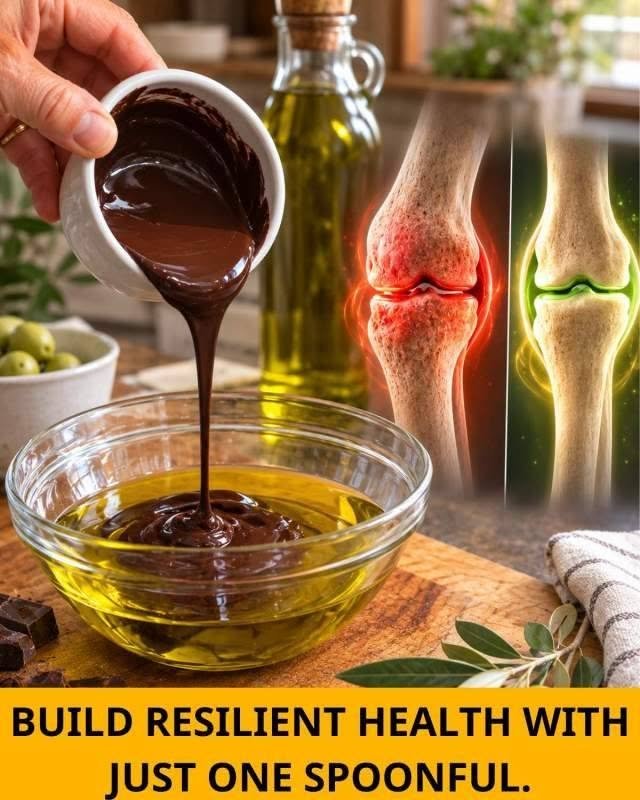
Olive Oil Triggers the Nighttime Reset: How This Golden Oil May Support Sleep, Blood Pressure, and Joint Health
Discover how olive oil may support better sleep, healthy blood pressure, and joint comfort. Learn what science says about its benefits and how to use it.
Olive Oil Triggers the Nighttime Reset for Sleep, Pressure, and Joints: What Science Really Says
A spoonful of olive oil before bed has become a popular wellness habit, with many people claiming it helps them sleep deeper, wake up feeling better, and support healthier joints.
But is there really something special about olive oil at night?
The answer is more interesting than a simple yes or no.
Olive oil is one of the most studied foods in the world, especially extra virgin olive oil (EVOO), a key part of the Mediterranean diet. Research suggests that its unique combination of healthy fats, antioxidants, and plant compounds may support heart health, inflammation balance, and overall wellness.
However, olive oil is not a magic nighttime cure. It does not instantly lower blood pressure, repair damaged joints, or guarantee perfect sleep.
What it can do is provide nutrients that support the body’s natural processes when included as part of a healthy lifestyle.
Let’s look at what happens when olive oil becomes a regular part of your diet—and why some people choose to enjoy it in the evening.
Why Olive Oil Is Considered a Powerful Health Food
Olive oil comes from the fruit of the olive tree and has been a dietary staple for thousands of years.
Extra virgin olive oil is the least processed form and contains higher levels of naturally occurring compounds, including:
- Monounsaturated fats
- Polyphenols
- Vitamin E
- Antioxidants
- Anti-inflammatory plant compounds
These components are believed to contribute to many of the health benefits associated with Mediterranean-style eating patterns.
The key is not simply consuming oil—it is choosing a high-quality oil and using it instead of less healthy fats.
1. Olive Oil May Support Better Sleep Quality
Sleep problems are common, and many people search for natural ways to improve their nightly rest.
Olive oil does not act like a sleeping pill, but several factors may explain why it can fit into a sleep-supportive diet.
Healthy Fats and Hormone Support
Olive oil contains monounsaturated fats that support overall metabolic health.
A balanced diet with healthy fats may help regulate systems involved in:
- Hormone production
- Brain function
- Blood sugar stability
Stable blood sugar overnight may help some people avoid disruptions caused by hunger or energy crashes.
The Relaxation Effect of Evening Meals
In Mediterranean cultures, olive oil is often consumed as part of a balanced evening meal containing vegetables, fish, legumes, and whole grains.
The combination—not necessarily the oil alone—creates a pattern associated with better overall health.
2. Olive Oil Supports Heart Health and Healthy Blood Pressure
One of the strongest areas of research around olive oil is cardiovascular health.
Studies on Mediterranean diets have linked higher olive oil intake with improved heart-related outcomes.
Possible reasons include:
Improved Fat Profile
Replacing saturated fats with olive oil may help maintain healthier cholesterol levels.
Blood Vessel Support
Olive oil polyphenols may help support normal blood vessel function.
Anti-Inflammatory Effects
Chronic inflammation can contribute to cardiovascular problems. Olive oil compounds may help regulate inflammatory pathways.
However, olive oil should be viewed as part of an overall heart-healthy lifestyle that includes exercise, balanced nutrition, and medical care when needed.
3. May Help Support Joint Comfort
Many people with stiff or uncomfortable joints look for foods that may help manage inflammation.
Extra virgin olive oil contains a compound called oleocanthal, which has been studied for its anti-inflammatory activity.
Researchers have compared some of its effects to certain anti-inflammatory pathways in laboratory studies.
While olive oil is not a replacement for arthritis medication or treatment, regularly consuming it may support an eating pattern associated with lower inflammation.
4. Supports Brain Health
The brain requires healthy fats to function properly.
Olive oil provides:
- Monounsaturated fats
- Antioxidants
- Polyphenols
Research on Mediterranean diets suggests associations with healthier aging and cognitive function.
Scientists believe olive oil may contribute by helping reduce oxidative stress and supporting healthy blood vessels.
5. Helps Support Healthy Digestion
Some people find olive oil helpful for digestive comfort.
Dietary fats can stimulate the digestive system and help the body absorb fat-soluble nutrients such as:
- Vitamin A
- Vitamin D
- Vitamin E
- Vitamin K
Olive oil is also commonly used alongside fiber-rich foods like vegetables and whole grains, which are important for gut health.
6. May Help Maintain Healthy Blood Sugar Levels
Blood sugar balance affects energy, cravings, and overall metabolic health.
Adding olive oil to meals may slow digestion and reduce rapid spikes in blood glucose compared with meals high in refined carbohydrates alone.
For example:
A salad with vegetables, beans, and olive oil may produce a different metabolic response than a meal dominated by refined carbohydrates.
7. Supports Healthy Aging
Many researchers studying longevity diets focus on patterns rather than individual foods.
Olive oil is a central component of diets found in regions where people traditionally have high consumption of plant foods and healthy fats.
Potential contributors include:
- Reduced oxidative stress
- Better cardiovascular health
- Improved diet quality
The benefit comes from the overall lifestyle—not one ingredient alone.
Should You Take Olive Oil Before Bed?
This is one of the most common questions.
Some people enjoy one teaspoon or tablespoon of extra virgin olive oil before sleeping.
Possible advantages:
- Easy way to add healthy fats
- May reduce nighttime hunger for some people
- Adds beneficial plant compounds to the diet
However:
- There is no strong evidence that drinking olive oil before bed specifically “resets” the body.
- Taking too much may add unnecessary calories.
- Some people may experience reflux or stomach discomfort.
A more evidence-based approach is using olive oil regularly in meals.
Best Ways to Add Olive Oil to Your Routine
Try using extra virgin olive oil:
✅ Drizzled over vegetables
✅ Mixed into salad dressing
✅ Added to soups after cooking
✅ Used with whole grains
✅ Paired with fish and legumes
✅ Used instead of butter or less healthy fats
Extra Virgin Olive Oil vs Regular Olive Oil
| Feature | Extra Virgin Olive Oil | Regular Olive Oil |
|---|---|---|
| Processing | Minimal processing | More processed |
| Antioxidants | Higher | Lower |
| Flavor | Stronger, fruity taste | Mild taste |
| Best Uses | Dressings, finishing, low-medium heat cooking | General cooking |
Common Mistakes People Make
Drinking Too Much Olive Oil
More does not always mean better.
Olive oil is healthy, but it is still calorie-dense.
Buying Low-Quality Oil
Look for:
- Extra virgin labeling
- Dark bottles
- Fresh aroma
- Reliable producers
Expecting Instant Results
Nutrition works through consistent habits over time.
Replacing Medical Treatment
Olive oil may support health but cannot replace prescribed medications or professional care.
Who Should Be Careful With Olive Oil?
Most people tolerate olive oil well, but caution may be needed if you:
- Have digestive issues triggered by fats
- Need strict calorie control
- Have allergies (rare)
- Are following a medically prescribed diet
If you take medications for blood pressure, cholesterol, or blood thinning, discuss major diet changes with your healthcare provider.
Frequently Asked Questions
Can olive oil help you sleep better?
Olive oil does not directly act as a sleep aid, but it can be part of a diet pattern associated with better overall health.
Is one tablespoon of olive oil before bed good for you?
For many people it is safe, but there is no proven special nighttime benefit compared with using it during meals.
Does olive oil reduce inflammation?
Research suggests compounds in extra virgin olive oil may help regulate inflammatory processes.
Can olive oil lower blood pressure?
Olive oil may support heart health and healthy blood pressure as part of a balanced diet, but it is not a replacement for blood pressure medication.
Is olive oil good for arthritis?
It may support an anti-inflammatory diet, but it does not cure arthritis.
What type of olive oil is healthiest?
Extra virgin olive oil generally contains the highest levels of beneficial plant compounds.
Can I drink olive oil every day?
Some people do, but incorporating it into meals is usually a more practical approach.
Action Checklist
✔️ Do
- Choose extra virgin olive oil.
- Use it instead of less healthy fats.
- Pair it with vegetables and whole foods.
- Store it away from heat and light.
- Use moderate amounts consistently.
❌ Avoid
- Expecting overnight cures.
- Drinking excessive amounts.
- Replacing medical treatment.
- Buying poor-quality products.
Conclusion
Olive oil has earned its reputation as one of the healthiest culinary oils because it combines beneficial fats with powerful plant compounds.
While it does not magically “reset” your body overnight, regular use may support several important areas of health, including heart function, inflammation balance, and overall wellness.
The real secret is consistency. A small daily habit—like replacing unhealthy fats with quality extra virgin olive oil—can become part of a lifestyle that supports healthier aging.
Olive oil is not a miracle cure, but it is one of the most evidence-supported foods you can add to your diet. Use it regularly, choose quality extra virgin olive oil, and let it be one piece of a bigger healthy lifestyle.
Share this with someone who loves natural wellness tips, leave a comment about how you use olive oil, and explore more science-backed nutrition guides.