If You Have Small White Spots on Your Arms or Legs, It Could Be a Sign of These 7 Things
Small white spots on your arms or legs can have many causes. Learn what they may mean, when to worry, and what treatments can help.
If You Have Small White Spots on Your Arms or Legs, It’s a Sign That Your Skin Is Trying to Tell You Something
You notice them while getting dressed or looking in the mirror: tiny white spots scattered across your arms, legs, or shoulders.
At first, they may seem harmless.
Maybe you assume they are from dry skin, aging, sun exposure, or a lack of vitamins. Sometimes they are nothing serious. But in some cases, small white patches can be a clue that something is happening beneath the surface of your skin.
The truth is that white spots on the skin do not point to just one condition. Several different issues can create a similar appearance, from harmless changes in pigmentation to conditions that need medical attention.
Understanding the differences can help you decide what steps to take next.
Why Do White Spots Appear on the Skin?
Your skin gets its natural color from a pigment called melanin, which is produced by specialized cells called melanocytes.
Small white spots can appear when:
- Less melanin is produced
- Melanocytes stop working in certain areas
- Skin cells are affected by inflammation or infection
- The skin changes with age or sun exposure
The appearance, location, texture, and timing of the spots often provide important clues.
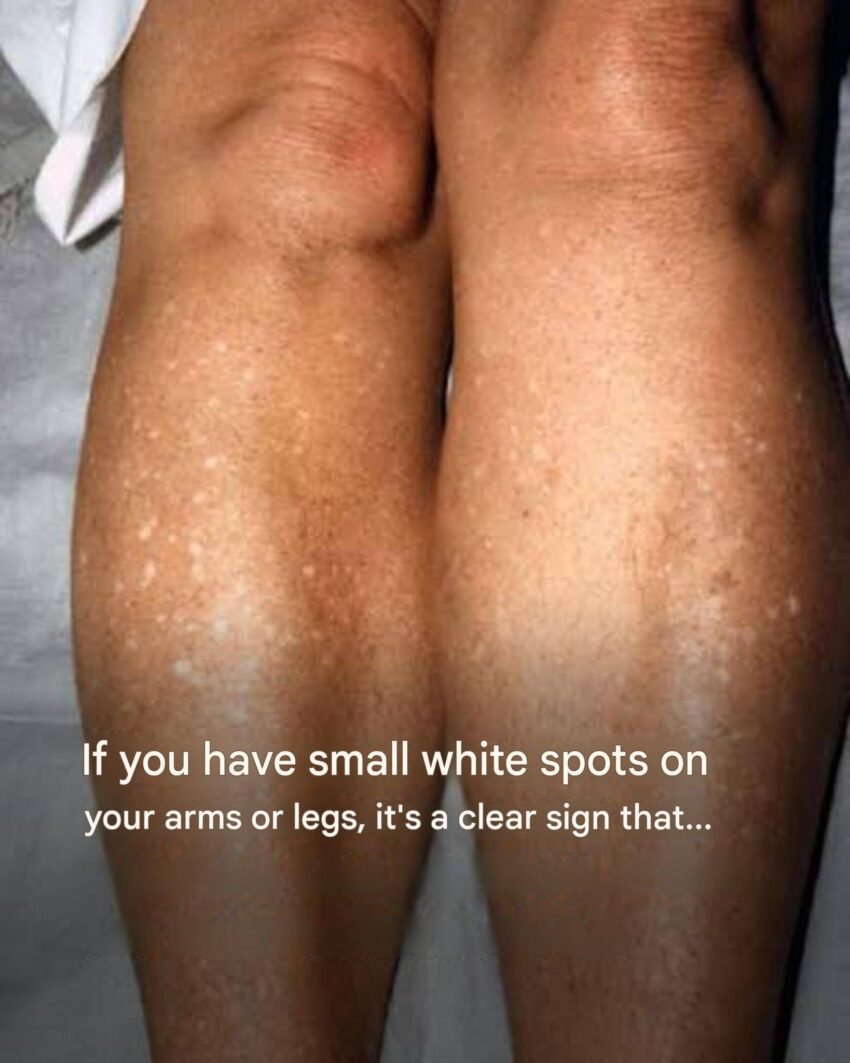
1. Idiopathic Guttate Hypomelanosis (Common Sun-Related White Spots)
One of the most common reasons adults develop tiny white spots on their arms and legs is a condition called idiopathic guttate hypomelanosis (IGH).
These spots are usually:
- Small (often a few millimeters)
- Flat
- Smooth
- White or lighter than surrounding skin
- Most common on sun-exposed areas
They often appear on:
- Forearms
- Shins
- Lower legs
- Shoulders
Despite their appearance, they are usually harmless and are not contagious.
Why does it happen?
The exact cause is not fully understood, but long-term sun exposure and natural aging are believed to contribute.
The skin’s pigment-producing cells may gradually become less active in small areas.
What helps?
Treatment is not always necessary, but some people explore options such as:
- Sun protection
- Prescription creams
- Dermatology treatments that stimulate pigment production
2. Vitiligo: When the Immune System Affects Pigment Cells
Vitiligo is a condition where the immune system mistakenly attacks melanocytes, causing areas of skin to lose pigment.
Unlike tiny sun spots, vitiligo patches are often:
- Larger
- More clearly white
- More noticeable in contrast
- Sometimes symmetrical
Common areas include:
- Hands
- Face
- Around the eyes
- Elbows
- Knees
Vitiligo is not dangerous or contagious, but it can sometimes be associated with other autoimmune conditions.
A dermatologist can help confirm the diagnosis and discuss treatment options.
3. Fungal Skin Infections (Tinea Versicolor)
A common cause of lighter patches is a yeast called Malassezia, which naturally exists on human skin.
When it grows excessively, it can cause tinea versicolor.
Signs may include:
- Light or white patches
- Fine scaling
- Mild itching
- Spots on the chest, back, shoulders, or arms
The patches may become more noticeable after sun exposure because surrounding skin darkens while affected areas do not.
Treatment usually involves antifungal medications or washes recommended by healthcare professionals.
4. Dry Skin or Post-Inflammatory Changes
Sometimes white spots appear after the skin has healed from irritation or inflammation.
Possible triggers include:
- Eczema
- Scratches
- Rashes
- Minor injuries
- Burns
After healing, the affected area may temporarily produce less pigment.
This is called post-inflammatory hypopigmentation.
The color often improves gradually as the skin recovers.
5. Nutritional Deficiencies (Sometimes Associated, But Often Misunderstood)
Many people immediately assume white spots mean a vitamin deficiency.
While certain nutritional problems can affect skin health, small white spots are not usually a simple sign that you need one specific vitamin.
Nutrients involved in healthy skin include:
- Vitamin B12
- Vitamin D
- Zinc
- Copper
If you have other symptoms—such as fatigue, weakness, hair changes, or unusual skin changes—a healthcare provider may recommend testing.
6. Sun Damage and Aging Skin Changes
As skin ages, pigment production can become uneven.
Years of sun exposure can contribute to:
- Small white spots
- Uneven skin tone
- Texture changes
These changes are especially common on areas that receive frequent sunlight.
Daily sunscreen use can help protect against further sun-related damage.
7. Less Common Skin Conditions
In some cases, white spots may be related to less common skin disorders.
Examples include:
- Certain genetic pigment conditions
- Scarring changes
- Autoimmune skin disorders
A dermatologist can usually identify the cause through a physical examination and, if needed, additional testing.
How to Tell the Difference: Quick Comparison
| Condition | Appearance | Common Locations | Usually Serious? |
|---|---|---|---|
| Idiopathic guttate hypomelanosis | Tiny flat white dots | Arms, legs | Usually no |
| Vitiligo | Larger bright white patches | Hands, face, joints | Needs evaluation |
| Tinea versicolor | Light patches with scaling | Chest, back, shoulders | Treatable |
| Dry skin changes | Faint lighter areas | Anywhere | Usually temporary |
| Sun-related changes | Uneven pigmentation | Exposed skin | Usually harmless |
When Should You See a Doctor?
It is a good idea to get your skin checked if:
- Spots are spreading quickly
- New patches appear suddenly
- The areas are completely white
- Hair in the area also loses color
- There is itching, pain, redness, or scaling
- The spots affect your confidence or quality of life
- You are unsure what caused them
A dermatologist can often identify the cause just by examining the pattern and appearance.
What You Can Do to Support Healthy Skin
Protect Your Skin From the Sun
Use:
- Broad-spectrum sunscreen
- Protective clothing
- Shade during strong sunlight
Keep Skin Moisturized
Dry skin can make uneven pigmentation more noticeable.
Avoid Harsh Products
Strong chemicals and excessive exfoliation can irritate skin and worsen discoloration.
Maintain a Balanced Diet
A diet rich in:
- Fruits
- Vegetables
- Protein
- Healthy fats
supports overall skin health.
Common Mistakes People Make
Assuming Every White Spot Is a Vitamin Deficiency
Many cases are related to pigment changes, sun exposure, or skin conditions—not nutrition alone.
Using Random Home Remedies
Lemon juice, harsh scrubs, or untested treatments can irritate skin.
Ignoring Changes
While many white spots are harmless, sudden changes deserve attention.
Frequently Asked Questions
Are small white spots on arms and legs dangerous?
Most are harmless, especially tiny stable spots caused by pigmentation changes. However, new or spreading patches should be evaluated.
Can white spots disappear naturally?
Some causes improve over time, while others may remain but are not harmful.
Does sunscreen prevent white spots?
Sun protection may help prevent additional sun-related pigment changes.
Are white spots caused by calcium deficiency?
Not usually. This is a common myth. Many white spots are caused by changes in skin pigment.
Can vitiligo be cured?
There is currently no guaranteed cure, but treatments may help restore or even out skin color in some people.
Is tinea versicolor contagious?
No. It results from an overgrowth of yeast that normally lives on the skin.
Should I take vitamins for white spots?
Only if a deficiency is confirmed or suspected by a healthcare professional.
Do white spots mean my skin is unhealthy?
Not necessarily. Many are normal skin changes and do not indicate poor health.
Action Checklist
✔️ Do
- Take note of when the spots appeared.
- Check whether they are spreading or changing.
- Protect your skin from excessive sun exposure.
- Moisturize regularly.
- See a dermatologist if you are concerned.
❌ Avoid
- Scrubbing the spots aggressively.
- Applying harsh chemicals.
- Assuming the cause without evaluation.
- Ignoring rapidly changing skin patches.
Conclusion
Small white spots on your arms or legs can be surprising, but they are not always a sign of something serious. In many cases, they are simply changes in skin pigmentation caused by aging, sun exposure, or harmless conditions.
However, your skin can sometimes provide early clues about what is happening inside your body. Paying attention to changes—and getting professional advice when something looks unusual—is the best way to protect your skin health.
Those tiny white spots are often harmless, but they are your skin’s way of showing a change. Understanding the cause is the key to knowing whether you simply need reassurance, better skin care, or medical attention.
Share this guide with someone who has noticed white spots on their skin, and explore more science-based health information to better understand your body.