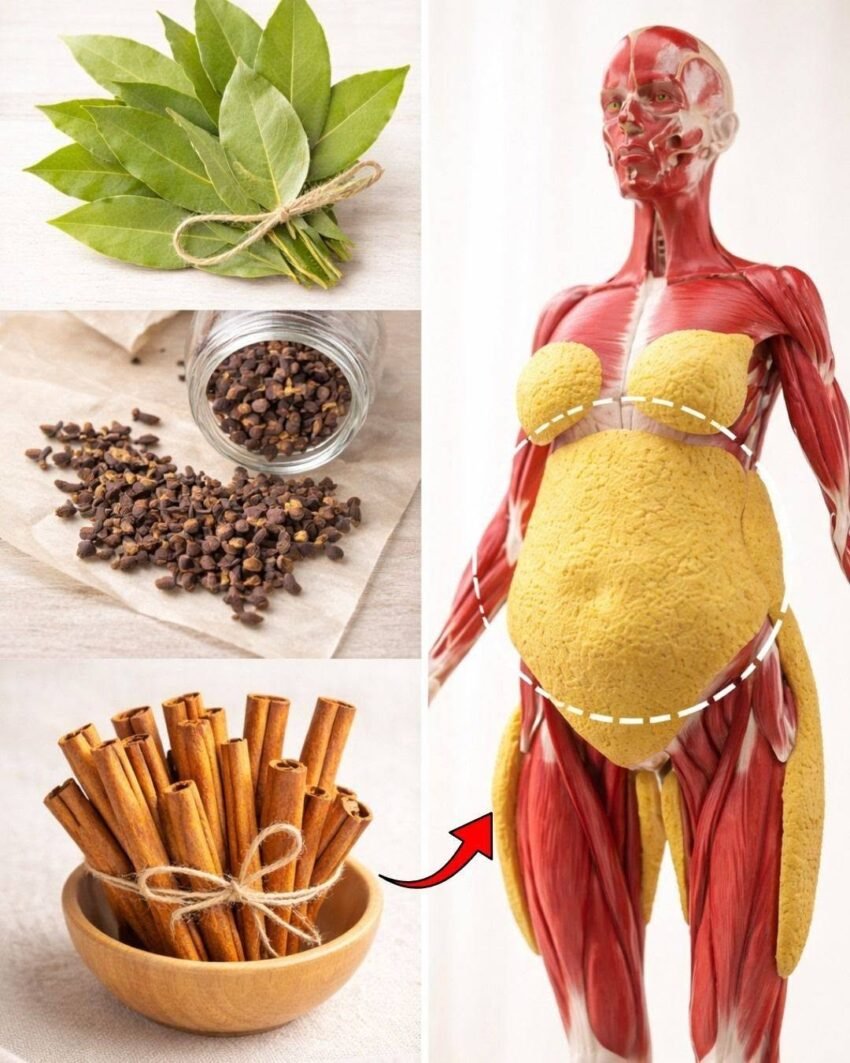
Secrets About Cinnamon and Cloves I Wish I Had Known Sooner — What Science Says About These Powerful Spices
Discover the surprising health benefits of cinnamon and cloves, how to use them safely, and what science really says about these popular spices.
Secrets About Cinnamon and Cloves I Wish I Had Known About Them Sooner
They have been sitting in kitchens for centuries.
Small, fragrant, and easy to overlook.
Cinnamon and cloves are usually thought of as simple cooking ingredients—the flavors behind holiday desserts, warm drinks, and comforting recipes.
But these spices contain natural compounds that have attracted serious scientific interest.
From supporting healthy blood sugar levels to providing antioxidants and adding flavor without extra calories, cinnamon and cloves may offer more benefits than many people realize.
However, there is a lot of misinformation online.
You may have seen claims that cinnamon “melts fat,” cloves “remove toxins,” or that a simple spice drink can cure major health problems.
The reality is more practical:
Cinnamon and cloves are powerful additions to a healthy lifestyle, but they are not miracle medicines.
Let’s look at what makes these two spices interesting, how they may benefit your health, and how to use them wisely.
Why Cinnamon and Cloves Are More Than Just Flavor
Plants produce natural compounds to protect themselves, and many of these compounds also interest researchers because of their effects in the human body.
Cinnamon and cloves contain:
- Polyphenols
- Antioxidants
- Plant-based compounds with potential anti-inflammatory activity
These compounds help explain why traditional cultures have used these spices for generations.
1. Cinnamon May Help Support Healthy Blood Sugar
One of the most studied areas of cinnamon research is blood sugar regulation.
Cinnamon contains compounds that may influence how the body responds to insulin, the hormone responsible for helping glucose enter cells.
Some studies suggest cinnamon may have modest effects on blood sugar markers, especially in people with insulin resistance or type 2 diabetes.
However:
- It does not replace diabetes medication.
- Results vary between individuals.
- The amount and type of cinnamon matter.
Adding cinnamon to oatmeal, yogurt, fruit, or tea can be a flavorful way to include it in your diet.
2. Cloves Are Packed With Antioxidants
Cloves are one of the richest spice sources of antioxidant compounds.
They contain a compound called eugenol, which has been widely studied for its biological activity.
Antioxidants help protect cells from oxidative stress, which is involved in normal aging and many chronic health processes.
Adding cloves to meals may increase the variety of beneficial plant compounds in your diet.
3. Cinnamon and Cloves May Support Digestion
Many traditional remedies use cinnamon and cloves after meals.
Why?
These spices may help make food more enjoyable while supporting digestive comfort for some people.
Potential benefits include:
- Supporting normal digestion
- Reducing occasional bloating
- Adding flavor without excess sugar
A warm cinnamon-clove tea can be a comforting beverage, especially during colder months.
4. Cloves Have Natural Antimicrobial Properties
Eugenol, the main compound in cloves, has shown antimicrobial effects in laboratory studies.
This is one reason clove oil has historically been used in dental products.
However, laboratory effects do not always mean the same results occur when simply eating small amounts of cloves.
Do not apply undiluted clove oil to your skin or gums without proper guidance—it can cause irritation or injury.
5. Cinnamon Adds Sweetness Without Added Sugar
One underrated benefit of cinnamon is how it changes flavor.
A little cinnamon can make foods taste sweeter without adding sugar.
Try adding it to:
- Coffee
- Apples
- Oatmeal
- Smoothies
- Plain yogurt
This can be useful for people trying to reduce added sugar while keeping meals enjoyable.
6. These Spices May Support a Heart-Healthy Diet
A healthy heart depends on overall lifestyle choices.
Cinnamon and cloves may contribute by providing:
- Plant compounds
- Flavor that reduces reliance on excess sugar or salt
- Antioxidants
But the biggest heart-health improvements still come from:
- Regular movement
- Balanced meals
- Healthy weight management
- Avoiding smoking
- Managing blood pressure and cholesterol
The Difference Between Cinnamon Types Matters
Not all cinnamon is identical.
The two common varieties are:
Ceylon Cinnamon
Often called “true cinnamon,” it contains very low amounts of coumarin, a naturally occurring compound.
Cassia Cinnamon
This is the most common type found in grocery stores and contains higher levels of coumarin.
High amounts of coumarin over long periods may be a concern for some people, especially those with liver conditions.
For everyday cooking, moderate amounts are generally considered appropriate for most healthy adults.
A Simple Cinnamon and Clove Drink Recipe
A warming spice infusion:
Ingredients:
- 1 small cinnamon stick
- 2–3 whole cloves
- 1 cup hot water
Method:
- Add spices to hot water.
- Let steep for 5–10 minutes.
- Remove spices before drinking.
- Add lemon or a small amount of honey if desired.
This can be an enjoyable beverage, but remember: it is a supportive habit, not a medical treatment.
How to Add Cinnamon and Cloves to Your Daily Routine
Breakfast
- Sprinkle cinnamon on oatmeal.
- Add a pinch to smoothies.
- Mix into yogurt.
Lunch or Dinner
- Add spices to sauces.
- Use in soups and stews.
- Combine with roasted vegetables.
Drinks
- Add cinnamon to coffee.
- Make herbal-style spice infusions.
Baking
- Use spices to enhance flavor while reducing added sugar.
Common Mistakes People Make
Taking Large Amounts of Cinnamon
More is not always better.
Very high intake, especially of cassia cinnamon, may expose some people to excessive coumarin.
Swallowing Clove Oil
Clove essential oil is highly concentrated and is not the same as eating culinary cloves.
Large amounts can be harmful.
Expecting Spices to Replace Medicine
Spices can support healthy habits but should not replace prescribed treatments.
Ignoring Quality
Old, poorly stored spices lose flavor and may contain fewer beneficial compounds.
Store spices:
- Away from heat
- Away from moisture
- In sealed containers
Cinnamon and Cloves: Quick Comparison
| Feature | Cinnamon | Cloves |
|---|---|---|
| Main compound of interest | Cinnamaldehyde | Eugenol |
| Popular use | Blood sugar support, flavor | Antioxidants, traditional uses |
| Common form | Powder or sticks | Whole buds or ground |
| Best approach | Moderate culinary use | Moderate culinary use |
Frequently Asked Questions
Can cinnamon and cloves lower blood sugar?
They may have modest effects in some people, but they are not replacements for diabetes treatment.
Can cinnamon help with weight loss?
Cinnamon may support healthier eating patterns by adding flavor, but it does not directly burn fat.
Is drinking cinnamon and clove tea every day safe?
For most healthy adults, moderate culinary amounts are generally considered safe. Excessive intake may cause problems.
Which cinnamon is healthiest?
Ceylon cinnamon contains much less coumarin than cassia cinnamon.
Can cloves cure infections?
No. While clove compounds show antimicrobial activity in research, eating cloves is not a cure for infections.
Can cinnamon help digestion?
Some people find it soothing, but effects vary.
Are cloves good for teeth?
Clove compounds have been used in dental products, but clove oil should not be used improperly on teeth or gums.
Can I take cinnamon supplements?
Supplements vary in quality and dosage. Discuss them with a healthcare professional if you have medical conditions or take medication.
Action Checklist
✔️ Do
- Use cinnamon and cloves as flavorful ingredients.
- Choose quality spices.
- Add them to balanced meals.
- Use moderate amounts.
- Enjoy them as part of a healthy lifestyle.
❌ Avoid
- Taking extremely high doses.
- Drinking concentrated essential oils.
- Believing miracle cure claims.
- Replacing medical treatment with spices.
Conclusion
Cinnamon and cloves are more than simple kitchen ingredients. They contain fascinating plant compounds and have earned their place in traditional cooking and modern nutrition research.
Their real power comes from consistency—not from a single cup of tea or a large dose taken once.
Small, enjoyable habits often create the strongest foundation for long-term health.
Cinnamon and cloves can be valuable additions to a healthy diet, offering flavor and beneficial plant compounds. Use them wisely, enjoy their benefits, and let them support—not replace—a balanced lifestyle.
Share this with someone who loves natural wellness tips, and explore more science-backed nutrition ideas.