Why Do White Spots Appear on the Skin? Common Causes, What They Mean, and When to Get Help
White spots on skin can come from sun damage, fungal infections, pigment changes, or other causes. Learn why they appear and what to do.
Why Do White Spots Appear on the Skin?
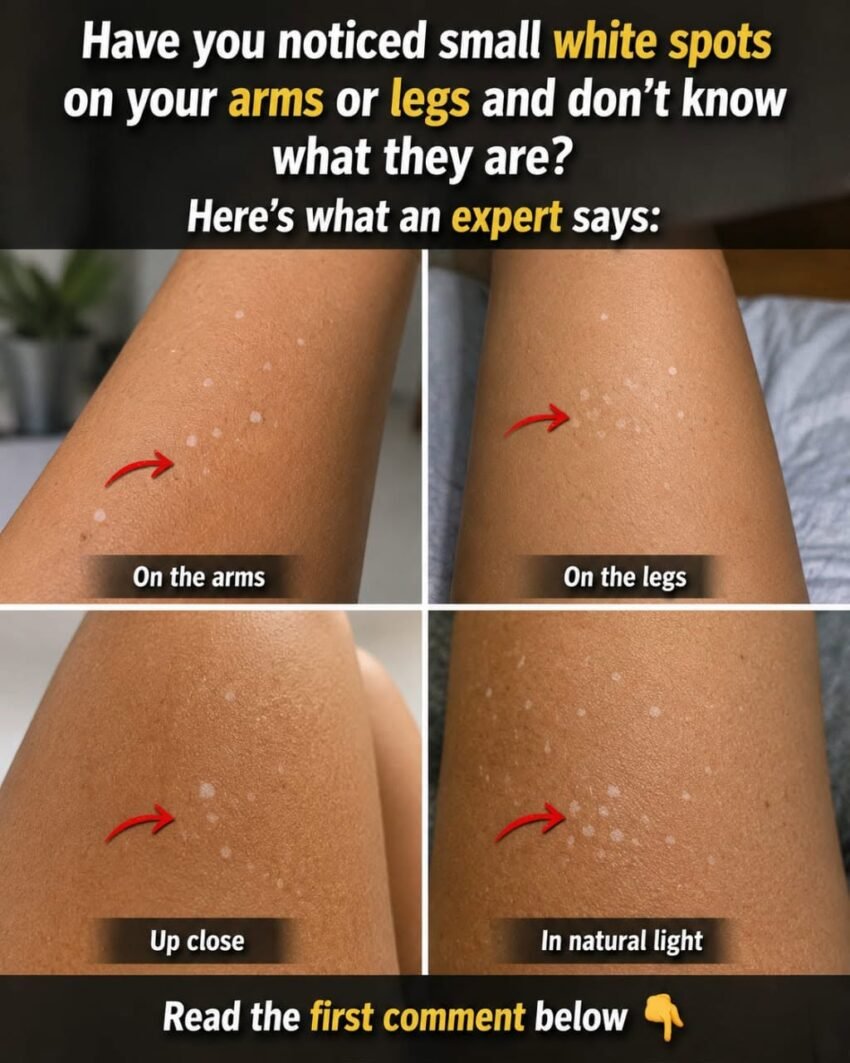
You notice a few small white spots on your arms, legs, face, or body.
At first, they may seem harmless. Maybe you assume they are from dry skin, aging, or a lack of vitamins. But when those spots stay, spread, or become more noticeable, it is natural to wonder:
“Why is my skin losing its color?”
White spots on the skin happen when there is a change in melanin, the pigment responsible for skin color. This can occur because the skin is producing less pigment, pigment cells are damaged, or another condition is affecting the skin’s appearance.
The good news is that many causes of white spots are common and treatable.
However, the appearance, location, and progression of the spots can provide important clues.
What Causes White Spots on the Skin?
1. Vitiligo: When Pigment-Producing Cells Stop Working
One of the best-known causes of white skin patches is vitiligo.
Vitiligo occurs when melanocytes—the cells that produce melanin—are damaged or stop functioning.
It may cause:
- Smooth white patches
- Clear borders between normal and affected skin
- Symmetrical spots on both sides of the body
- Changes around the hands, face, elbows, knees, or mouth
Vitiligo is considered an autoimmune condition, meaning the immune system mistakenly targets certain cells.
It is not contagious, and it is not caused by poor hygiene.
2. Sun-Related White Spots (Idiopathic Guttate Hypomelanosis)
Small white dots on areas exposed to sunlight are common, especially as people get older.
They often appear on:
- Forearms
- Shins
- Shoulders
- Legs
These spots are usually:
- Small
- Flat
- Round or oval
- Not painful or itchy
They are thought to be related to long-term sun exposure and natural changes in pigment production.
3. Fungal Skin Infection (Tinea Versicolor)
A common cause of lighter patches is a superficial fungal condition called tinea versicolor.
It happens when a type of yeast that normally lives on the skin grows more than usual.
Signs may include:
- Light or white patches
- Mild scaling
- Slight itching
- Spots on the chest, back, shoulders, or neck
The patches may become more noticeable after sun exposure because surrounding skin darkens while affected areas do not tan normally.
4. Dry Skin and Skin Irritation
Sometimes skin looks lighter because of dryness or inflammation.
This may happen after:
- Eczema flare-ups
- Skin irritation
- Scratching
- Certain rashes healing
The pigment may return gradually after the skin heals.
5. Post-Inflammatory Hypopigmentation
After the skin experiences inflammation or injury, it may temporarily lose some pigment.
Possible triggers include:
- Cuts
- Burns
- Acne
- Skin infections
- Allergic reactions
The lighter area may fade over time.
6. Nutritional Deficiencies
People often associate white spots with vitamin deficiencies.
While nutrition plays an important role in healthy skin, small white spots are not always caused by a lack of vitamins.
Deficiencies that can affect skin health include:
- Vitamin B12 deficiency
- Vitamin D deficiency
- Certain mineral deficiencies
If white spots appear along with other symptoms—such as fatigue, weakness, or changes in hair and nails—a healthcare professional can help determine whether testing is needed.
7. Genetic or Birthmark-Related Causes
Some people naturally have lighter patches of skin from birth or childhood.
Examples include:
- Certain birthmarks
- Genetic pigment conditions
These are usually stable and do not spread.
How to Tell the Difference Between Common Causes
| Cause | Appearance | Common Areas | Other Signs |
|---|---|---|---|
| Vitiligo | Bright white patches | Hands, face, joints | Clear borders, may spread |
| Tinea versicolor | Light patches | Chest, back, shoulders | Mild scaling or itching |
| Sun spots | Small white dots | Arms, legs | Usually harmless |
| Dry skin irritation | Uneven lighter areas | Anywhere | Dryness or flaking |
| Healing skin changes | Temporary lighter patches | Previous injury areas | History of rash or injury |
When Should You See a Doctor?
Many white spots are harmless, but it is worth getting medical advice if:
- Spots are spreading quickly
- New patches appear suddenly
- The skin loses pigment completely
- There is itching, pain, scaling, or redness
- Hair in the affected area turns white
- Spots appear around the eyes, mouth, or genitals
- You are unsure of the cause
A dermatologist can often identify the cause through a simple skin examination.
What Can You Do at Home?
Protect Your Skin From the Sun
Sun protection is important because uneven tanning can make white spots more noticeable.
Helpful habits:
- Use sunscreen
- Wear protective clothing
- Avoid excessive tanning
Keep Skin Moisturized
If dryness contributes to the appearance of lighter patches:
- Use gentle moisturizers
- Avoid harsh soaps
- Limit very hot showers
Avoid Random “Skin Whitening” Remedies
Many online remedies claim to restore pigment quickly.
Be cautious with:
- Strong chemicals
- Unverified creams
- Harsh exfoliation
These may irritate the skin and make discoloration worse.
Can White Spots Be Prevented?
Not all causes can be prevented.
For example, autoimmune conditions like vitiligo are not caused by something you did.
However, you can support healthy skin by:
- Protecting against excessive sun exposure
- Treating skin infections early
- Maintaining good nutrition
- Managing skin conditions properly
Common Myths About White Spots
Myth: White spots always mean a serious disease
Reality: Many causes are harmless and common.
Myth: White spots mean your body lacks calcium
Reality: Calcium deficiency is not a typical cause of white skin patches.
Myth: White spots are contagious
Reality: Most causes, including vitiligo, are not contagious.
Myth: Every white spot can be removed permanently
Reality: Treatment depends on the underlying cause. Some improve, while others require ongoing management.
Frequently Asked Questions
Are white spots on skin caused by a vitamin deficiency?
Sometimes nutrition can affect skin health, but most white spots have other causes such as pigment changes, fungal infections, or inflammation.
Do white spots mean I have vitiligo?
Not necessarily. Vitiligo is one possibility, but many other conditions can cause lighter skin patches.
Can white spots go away naturally?
Some types, such as temporary changes after irritation, may fade. Others may persist.
Is tinea versicolor dangerous?
No. It is a common superficial fungal condition, though treatment may be needed to clear it.
Can sunlight remove white spots?
Sun exposure usually does not restore pigment and may make contrast between normal and affected skin more noticeable.
Should I worry if white spots are spreading?
Spreading spots should be evaluated, especially if they appear suddenly.
Can children get white spots on their skin?
Yes. Children can develop pigment changes from several causes, including infections, inflammation, and vitiligo.
Which doctor treats white skin patches?
A dermatologist specializes in skin, hair, and nail conditions.
Action Checklist
✔️ Do
- Observe when the spots appeared.
- Note whether they are growing or changing.
- Protect your skin from excessive sun exposure.
- Keep skin moisturized.
- Seek medical advice for spreading or unusual changes.
❌ Avoid
- Scrubbing spots aggressively.
- Using untested home remedies.
- Assuming every white patch is a vitamin deficiency.
- Ignoring rapid changes.
Conclusion
White spots on the skin can happen for many reasons—from harmless sun-related changes to conditions that affect pigment production.
The most important clues are how the spots look, where they appear, how long they have been there, and whether they are changing.
Your skin often gives early signals about what is happening inside and on the surface of your body.
Most white spots are not dangerous, but new, spreading, or unusual patches deserve attention. Understanding the cause is the first step toward choosing the right care.
Share this information with someone who has noticed changes in their skin, and continue learning about practical ways to support healthy skin.