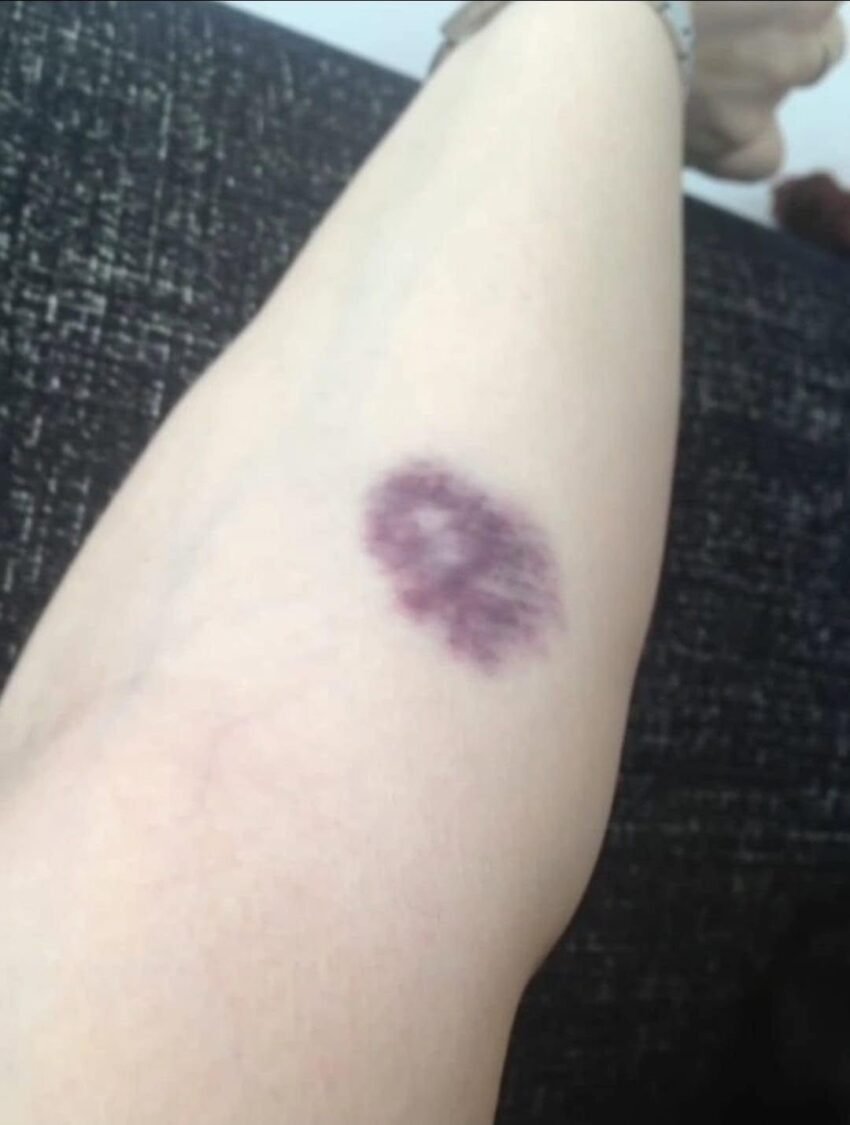
BE CAREFUL: When Unexplained Bruises on Your Body Are Normal—and When They Could Signal a Health Problem
Unexplained bruises are common, but frequent or unusual bruising can sometimes signal health issues. Learn causes, warning signs, and when to seek help.
BE CAREFUL: When Unexplained Bruises on Your Body Are Normal—and When They Could Signal a Health Problem
You wake up, get dressed, and notice something strange:
A purple mark on your arm.
A dark patch on your leg.
A bruise you do not remember getting.
Your first thought may be:
“Where did this come from?”
For many people, an unexpected bruise is harmless. A small bump you forgot about, pressure from daily activities, or changes in your skin as you age can all leave marks behind.
But sometimes, bruises that appear frequently, grow larger than expected, or happen without a clear reason can be a sign that your body needs closer attention.
The important thing is not to panic—but also not to ignore unusual changes.
Understanding why bruises happen, what patterns matter, and when to talk with a healthcare professional can help you make better decisions about your health.
Why Do Bruises Appear?
A bruise, also called a contusion, happens when small blood vessels under the skin become damaged.
When these tiny vessels break, blood leaks into nearby tissues, creating the familiar colors:
- Red or pink at first
- Purple or blue
- Greenish or yellow as it heals
Most bruises are simply your body repairing minor injuries.
You may not always remember what caused one.
A small bump against furniture, carrying heavy bags, exercise, or pressure during everyday activities can sometimes be enough.
Why Do Some People Bruise More Easily?
Not everyone bruises the same way.
Several factors can make bruises appear more often.
1. Aging Skin
As people get older, the skin becomes thinner and loses some of the protective fat layer underneath.
This means blood vessels have less cushioning.
As a result, older adults may notice bruises appearing more easily, especially on:
- Hands
- Arms
- Legs
This type of bruising is often called senile purpura and is commonly related to aging skin changes.
2. Certain Medications
Some medications can increase the likelihood of bruising because they affect blood clotting or platelet function.
Examples may include:
- Blood thinners
- Certain anti-inflammatory medications
- Some steroid medications
- Certain supplements
If you notice new bruising after starting a medication, speak with your healthcare provider before making changes.
Never stop prescribed medication without medical guidance.
3. Vitamin Deficiencies
Certain nutrients play a role in normal blood vessel strength and clotting.
Low levels of some vitamins may contribute to easier bruising.
Examples include:
Vitamin C
Vitamin C supports collagen production, which helps maintain healthy blood vessels and skin.
Low levels can affect tissue strength.
Vitamin K
Vitamin K is involved in normal blood clotting.
A deficiency may increase bleeding or bruising tendencies.
4. Physical Activity and Minor Injuries
Exercise can sometimes cause bruises, especially activities involving:
- Weight training
- Contact sports
- Repetitive pressure
Small injuries may happen without being noticed immediately.
When Bruising May Need Medical Attention
A bruise by itself is usually not a sign of something serious.
However, certain patterns deserve attention.
1. Bruises Appearing Frequently Without Explanation
If you regularly find new bruises and cannot remember any injury, it is worth discussing with a healthcare professional.
Especially if the bruising:
- Happens often
- Appears suddenly
- Is increasing over time
2. Very Large or Painful Bruises
A bruise that is unusually large, painful, or continues expanding may require evaluation.
3. Bruising Along With Other Symptoms
Pay attention if bruising occurs with:
- Frequent nosebleeds
- Bleeding gums
- Blood in urine or stool
- Unusual fatigue
- Persistent fever
- Unexplained weight loss
- Night sweats
- Frequent infections
These symptoms do not automatically mean something serious, but they are reasons to seek medical advice.
4. Small Red or Purple Spots That Are Not Typical Bruises
Tiny spots under the skin called petechiae may look different from regular bruises.
They can appear as small dots and may be related to different causes, including platelet or blood vessel issues.
A healthcare professional can determine the cause.
Does Bruising Mean Cancer?
This is a common fear, but it is important to understand the full picture.
Most bruises are not caused by cancer.
However, some blood-related cancers and other serious conditions can sometimes affect how the body produces blood cells or controls bleeding, which may lead to unusual bruising patterns.
The key warning signs are usually not one random bruise—they are combinations of symptoms such as:
- Frequent unexplained bruising
- Abnormal bleeding
- Persistent fatigue
- Repeated infections
- Other unusual changes
If you are concerned, a doctor can perform appropriate tests to find the cause.
Common Causes of Easy Bruising Compared
| Possible Cause | Typical Explanation |
|---|---|
| Aging skin | Less protection around blood vessels |
| Minor injuries | Small bumps or pressure |
| Medications | Changes in clotting ability |
| Vitamin deficiencies | Reduced support for blood vessels or clotting |
| Exercise | Small tissue injuries |
| Blood disorders | Problems affecting platelets or clotting |
How to Reduce Everyday Bruising
While some causes cannot be avoided, healthy habits may help.
1. Protect Your Skin
Simple steps:
- Remove trip hazards at home
- Use protective equipment during activities
- Be careful around sharp furniture edges
2. Eat a Nutrient-Rich Diet
Include foods that support overall health:
Vitamin C sources:
- Citrus fruits
- Bell peppers
- Strawberries
- Broccoli
Vitamin K sources:
- Leafy greens
- Kale
- Spinach
- Broccoli
Protein sources:
- Eggs
- Fish
- Beans
- Poultry
3. Review Your Medications
If bruising changes suddenly, ask your healthcare provider whether your medications could be contributing.
4. Support Skin Health
Healthy skin benefits from:
- Adequate hydration
- Balanced nutrition
- Sun protection
Common Mistakes People Make About Bruises
Mistake 1: Ignoring Frequent Bruising
A single unexplained bruise is often harmless.
Repeated unexplained bruising is different.
Mistake 2: Searching for the Worst Possible Cause
Many people see a bruise and immediately think of serious disease.
The reality is that common causes are much more frequent.
The goal is awareness—not fear.
Mistake 3: Stopping Medications on Your Own
If a medication contributes to bruising, your doctor can help determine the safest approach.
Mistake 4: Assuming Supplements Will Fix Everything
Taking vitamins without knowing whether you have a deficiency may not solve the problem.
A Simple Self-Check: When Should You Pay Attention?
Ask yourself:
✔️ Is this bruise unusual for me?
✔️ Do I know what caused it?
✔️ Are new bruises appearing frequently?
✔️ Are there other symptoms?
✔️ Has anything changed recently, such as medications?
Your answers can help determine whether it is worth seeking advice.
Mini Scenario: A Bruise That Needed Checking
David, age 67, noticed occasional bruises on his arms.
At first, he ignored them because he assumed it was just aging.
But over several months, he noticed:
- More bruises appearing
- Frequent nosebleeds
- Increased tiredness
He scheduled a medical appointment.
The bruises themselves were not the only clue—the combination of symptoms was what mattered.
This is why paying attention to patterns is more useful than worrying about a single mark.
Frequently Asked Questions
Are random bruises normal?
Yes, occasional unexplained bruises are common, especially as people age. Frequent or unusual bruising should be discussed with a healthcare professional.
Does every bruise mean a vitamin deficiency?
No. Bruises can happen for many reasons, including minor injuries, medications, and normal aging.
When should I worry about bruises?
Seek medical advice if bruises appear frequently without cause, are very large, or occur with unusual bleeding or other symptoms.
Can low vitamin C cause bruising?
Severe vitamin C deficiency can affect blood vessel strength and contribute to bruising.
Can blood pressure medicine cause bruising?
Some medications can make bruising more likely, but you should discuss this with your healthcare provider.
Are bruises a sign of leukemia?
Most bruises are not related to leukemia. However, frequent unexplained bruising combined with symptoms like fatigue, infections, or abnormal bleeding should be evaluated.
Why do older adults bruise more easily?
Thinner skin and reduced protective tissue around blood vessels can make bruising more common.
How long should a bruise take to heal?
Many bruises improve within one to two weeks, though larger bruises may take longer.
Bruising Awareness Checklist
✔️ Do
- Notice changes in your bruising pattern.
- Eat a balanced diet.
- Protect your skin from injuries.
- Review new symptoms with a healthcare professional.
- Keep track of medication changes.
❌ Avoid
- Panicking over one normal bruise.
- Ignoring frequent unexplained bruising.
- Stopping medications without advice.
- Assuming online information replaces medical evaluation.
Conclusion
Bruises are one of the body’s most common responses to everyday life.
Most of the time, they are simply signs of a small injury that your body is repairing.
But your body also communicates through patterns. Bruises that appear frequently, become unusually large, or come with other symptoms deserve attention.
The goal is not fear—it is awareness.
An occasional bruise is usually harmless. But unexplained, frequent, or unusual bruising—especially with other symptoms—should be checked by a healthcare professional so you can understand what your body is telling you.
Small changes are often easier to manage when you notice them early.