If You Notice These Lines on Your Nails After 40, Here’s What They Could Mean
Nail lines after age 40 are common, but some changes may reveal clues about your health. Learn what to watch for and when to seek advice.
Your nails may seem like a small detail, but they can sometimes reveal changes happening inside your body.
Many people notice new lines, ridges, or texture changes on their nails as they get older. After 40, it is common to see differences that were not there in younger years.
A small ridge appears.
A nail becomes slightly thinner.
The surface looks uneven.
It is easy to ignore these changes or assume they are simply part of aging. Sometimes they are. But in certain situations, nail changes can provide useful clues about nutrition, daily habits, or underlying health conditions.
The important thing is understanding the difference between normal aging changes and signs that deserve attention.
Why Do Nails Change After Age 40?
Nails are made primarily of a protein called keratin.
As we age, several factors can influence nail appearance:
- Slower nail growth
- Changes in circulation
- Reduced moisture in the skin and nails
- Nutritional changes
- Hormonal shifts
- Repeated exposure to chemicals or water
These changes may lead to nails becoming:
- Drier
- More brittle
- Thinner
- More ridged
For many people, this is a normal part of getting older.
However, certain patterns can be worth discussing with a healthcare professional.
The Most Common Nail Lines: Vertical Ridges
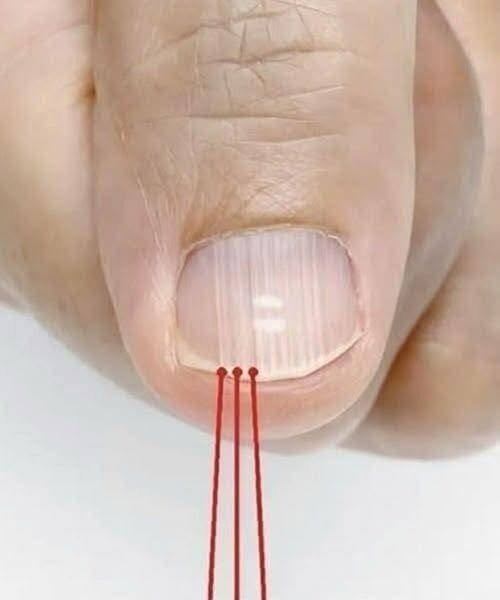
One of the most frequently noticed changes after 40 is vertical ridges.
These are lines that run from the base of the nail toward the tip.
They often become more noticeable with age.
In many cases, vertical ridges are harmless and may simply reflect changes in nail growth or moisture levels.
You may notice:
- Fine raised lines
- Slight uneven texture
- Increased dryness
Keeping nails moisturized and protecting them from harsh chemicals can often improve their appearance.
When Nail Lines May Need More Attention
Not every nail ridge is a warning sign.
But changes that are sudden, severe, or combined with other symptoms may deserve a closer look.
Pay attention to:
- A new dark line under one nail
- Sudden changes affecting only one nail
- Deep horizontal grooves
- Major changes in nail color
- Nail separation from the nail bed
- Pain, swelling, or inflammation around the nail
These signs do not automatically mean something serious, but they should not be ignored.
Horizontal Lines Across the Nails: A Different Pattern
Some people notice lines that run across the nail instead of from bottom to top.
These are sometimes called Beau’s lines.
They can appear when nail growth is temporarily interrupted.
Possible causes may include:
- Significant illness
- Injury
- Severe stress on the body
- Certain medical treatments
- Nutritional problems
Because nails grow slowly, these lines can sometimes show that something affected the body weeks or months earlier.
Dark Lines Under the Nails: When to Pay Attention
A dark vertical streak under a fingernail or toenail can have many causes.
Sometimes it may be related to:
- Normal pigmentation
- Injury
- Certain medications
However, a new dark band—especially one that changes, widens, or appears on only one nail—should be checked by a healthcare professional.
Rarely, it can be associated with a serious condition affecting the nail.
What Your Nails May Reveal About Nutrition
Your nails need proper nutrients to grow normally.
Certain nutritional issues may contribute to changes such as brittleness or weakness.
Important nutrients for healthy nails include:
Protein
Nails are made of keratin, which is a protein structure.
Low protein intake may affect overall nail strength.
Sources include:
- Eggs
- Fish
- Beans
- Poultry
- Dairy products
Iron
Low iron levels may contribute to changes in nail appearance for some people.
Iron-rich foods include:
- Lean meats
- Beans
- Lentils
- Leafy greens
Zinc
Zinc supports many processes in the body, including normal tissue growth.
Sources include:
- Seafood
- Meat
- Nuts
- Seeds
Simple Habits That Support Healthier Nails After 40
Healthy nails usually come from consistent care.
1. Moisturize Regularly
Dry nails are more likely to become brittle.
Apply moisturizer or hand cream regularly, especially after washing hands.
2. Protect Your Hands
Frequent exposure to:
- Cleaning products
- Hot water
- Strong chemicals
can weaken nails.
Wear gloves when doing household chores involving harsh substances.
3. Avoid Excessive Nail Treatments
Frequent use of harsh removers, artificial nails, or aggressive filing may damage nail surfaces.
Give your nails time to recover.
4. Eat a Balanced Diet
A diet rich in:
- Vegetables
- Fruits
- Protein
- Whole grains
- Healthy fats
supports overall health, including nail growth.
Common Nail Mistakes People Make After 40
Mistake 1: Assuming Every Nail Change Is Dangerous
Many nail changes are harmless.
Aging naturally changes nail texture and growth patterns.
Better approach: Look for unusual, sudden, or worsening changes.
Mistake 2: Ignoring One Nail That Looks Different
Changes affecting only one nail can sometimes deserve more attention than changes appearing evenly across all nails.
Mistake 3: Using Supplements Without Knowing the Cause
Taking large amounts of vitamins or minerals without a confirmed deficiency may not help and can sometimes cause problems.
A Quick Nail Health Check You Can Do at Home
Once a month, take a moment to look at your nails.
Notice:
✅ Any new lines or spots
✅ Changes in color
✅ Changes in thickness
✅ Nail strength
✅ Skin around the nails
Keeping track of changes makes it easier to notice patterns.
Frequently Asked Questions
Are nail ridges normal after age 40?
Yes. Vertical ridges are common as people get older and are often harmless.
Do nail lines always mean a vitamin deficiency?
No. Nail changes can happen for many reasons, including aging, dryness, injury, and health conditions.
Can nail changes reveal health problems?
Sometimes. Nails may provide clues, but they cannot diagnose a condition by themselves.
Should I worry about a black line on my nail?
A new or changing dark line under a nail should be evaluated by a healthcare professional, especially if it affects only one nail.
How can I make my nails stronger after 40?
Moisturizing, avoiding harsh chemicals, eating a balanced diet, and protecting nails from damage can help.
Can drinking more water improve nails?
Staying hydrated supports overall health, though nail changes may have many different causes.
Why do nails become brittle with age?
Aging can reduce moisture and change nail structure, making nails more fragile.
When should I see a doctor about nail changes?
Seek advice if changes are sudden, painful, rapidly worsening, or involve unusual colors or patterns.
Nail Health Checklist After 40
Do:
✅ Keep nails moisturized
✅ Eat enough protein and nutrients
✅ Protect hands from chemicals
✅ Check for unusual changes
✅ Discuss persistent concerns with a healthcare professional
Avoid:
❌ Ignoring sudden nail changes
❌ Using harsh nail products too often
❌ Assuming every change is just aging
❌ Taking unnecessary supplements
Final Thoughts
Your nails are small, but they can tell a story about your overall health.
After 40, seeing lines and ridges on your nails is often a normal part of aging. However, paying attention to unusual changes can help you notice when something may need professional advice.
Healthy nails are not about perfection—they are about paying attention, caring for your body, and understanding what changes are normal.
Most nail lines after 40 are harmless, but sudden, unusual, or changing patterns deserve attention. Your nails can be a helpful reminder to stay aware of your overall health.
Share this information with someone who has noticed changes in their nails, leave a comment about your nail health experience, and explore more simple wellness tips.