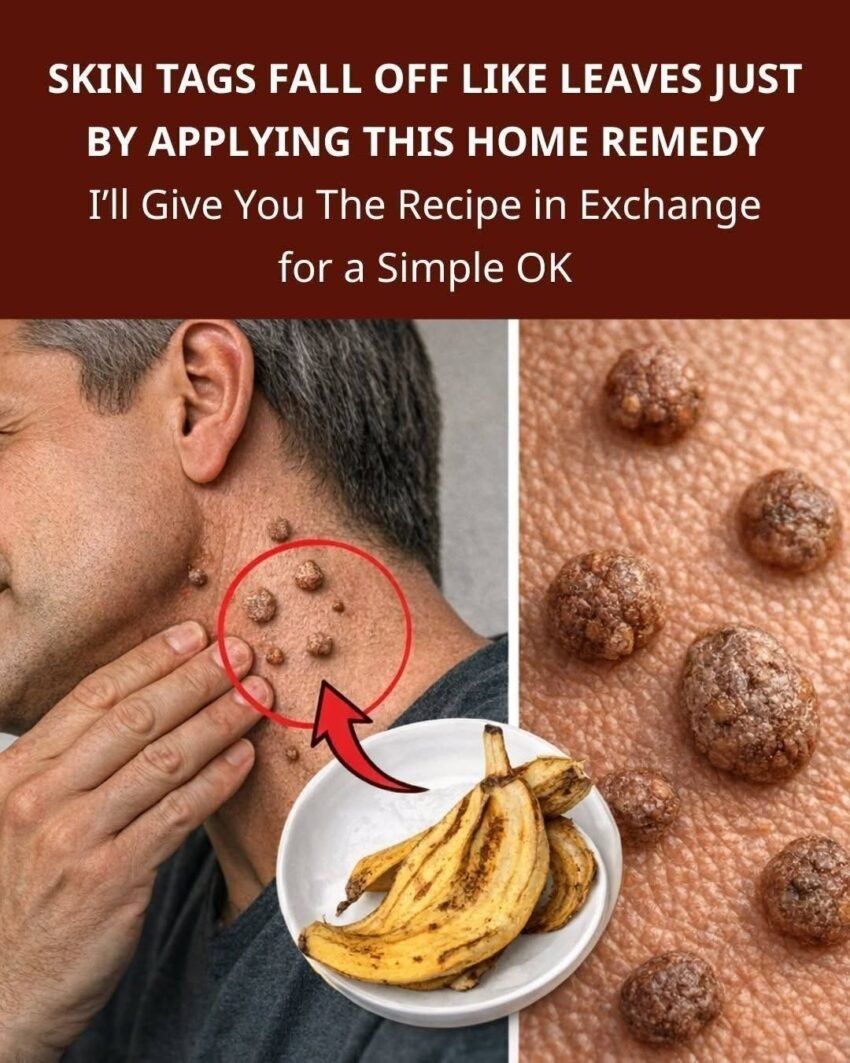
The Truth About Home Treatments for Warts: What You Should Know Before Trying Any Remedy
Learn what really helps with warts, which home treatments may support healing, and when it is best to seek advice from a healthcare professional.
A small bump appears on your skin.
At first, you barely notice it.
Then weeks pass, and it is still there.
Warts can be frustrating. They may feel uncomfortable, affect confidence, or become annoying when they appear on hands, feet, or other areas of the body.
That is why many people search for quick solutions and come across claims that a simple homemade recipe can make warts “fall off like leaves.”
But the reality is more balanced.
Some home treatments may help certain warts improve over time, while others may irritate the skin or delay proper treatment. Understanding what warts are and what approaches have evidence behind them can help you make safer choices.
What Exactly Are Warts?
Warts are small growths on the skin caused by certain types of the human papillomavirus (HPV).
They are usually harmless and often appear on:
- Hands
- Fingers
- Feet
- Around nails
- Other areas of the skin
Warts develop when the virus causes extra skin cells to grow faster than normal, creating a rough or raised area.
They can spread through:
- Direct skin contact
- Touching a wart and then touching another area
- Sharing personal items such as towels or nail tools
Can Warts Really Disappear on Their Own?
Yes, some warts go away naturally.
The immune system can sometimes recognize and fight the virus responsible for the wart.
However, this process can take:
- Months
- Sometimes longer
The timeline varies depending on the person’s immune response, the type of wart, and where it appears.
A Gentle Home Approach: Supporting Wart Care
There is no guaranteed kitchen remedy that makes every wart disappear overnight.
However, some commonly used approaches may support the process.
1. Salicylic Acid Treatment
One of the most studied over-the-counter wart treatments is salicylic acid.
It works by gradually removing layers of the wart.
General steps often include:
- Soak the area in warm water.
- Gently remove loose dead skin with a disposable file.
- Apply the product according to package directions.
- Protect surrounding healthy skin if needed.
Consistency is important because treatment often takes several weeks.
2. Keeping the Area Clean and Protected
Simple care habits can help prevent irritation and spreading.
Try:
- Avoid picking or scratching the wart
- Wash hands regularly
- Avoid sharing nail clippers or towels
- Keep the area covered if it is being irritated
3. The Duct Tape Method: What About It?
Some people use duct tape over warts as a home approach.
Research on its effectiveness has shown mixed results.
If someone tries this method, they should pay attention to skin irritation and stop if discomfort develops.
Home Remedies People Often Mention
Many online remedies suggest ingredients such as:
- Apple cider vinegar
- Garlic
- Essential oils
- Banana peel
Some people report success, but scientific evidence varies.
Natural does not always mean harmless.
Certain ingredients can cause:
- Burns
- Skin irritation
- Allergic reactions
- Increased sensitivity
Avoid applying harsh substances to sensitive areas or broken skin.
Why Some Viral Wart Remedies Can Be Risky
The promise sounds tempting:
“One ingredient.”
“One night.”
“Problem solved.”
But skin is delicate.
A treatment that irritates or damages healthy skin may create more problems than the wart itself.
Be especially careful with remedies involving:
- Strong acids
- Bleach-like substances
- Concentrated essential oils
- Aggressive scraping
When Should You See a Healthcare Professional?
Consider medical advice if:
- The wart changes in appearance
- It bleeds
- It becomes painful
- It grows quickly
- You are unsure whether it is a wart
- It appears on the face or sensitive areas
- You have a weakened immune system
- It does not improve with treatment
Some skin conditions can look similar to warts but require different care.
Ways to Reduce the Chance of Warts Spreading
Simple habits can help.
Do:
✅ Wash hands regularly
✅ Keep warts covered if needed
✅ Avoid biting nails around warts
✅ Use separate personal care tools
Avoid:
❌ Picking at warts
❌ Sharing towels or razors
❌ Cutting warts yourself
Common Mistakes People Make When Treating Warts
Mistake 1: Expecting Instant Results
Warts often take time to improve.
Better approach: Use proven treatments consistently and be patient.
Mistake 2: Removing Them Aggressively
Cutting or burning a wart at home can injure healthy skin.
Mistake 3: Ignoring a Changing Skin Growth
Not every bump is a wart.
Changes in color, shape, bleeding, or rapid growth deserve attention.
Frequently Asked Questions
What is the fastest way to get rid of a wart?
Over-the-counter salicylic acid products are among the commonly recommended treatments, but results usually take time.
Can I remove a wart overnight?
There is no reliable treatment that safely removes every wart overnight.
Are warts dangerous?
Most common warts are harmless, but unusual or changing growths should be evaluated.
Why do warts keep coming back?
The virus may remain in the skin even after the visible wart disappears.
Can toothpaste remove warts?
There is no strong scientific evidence that toothpaste effectively treats warts.
Is apple cider vinegar safe for warts?
It may irritate or burn skin, especially when applied incorrectly. Use caution with home remedies.
Can children get warts?
Yes. Warts are common in children and adults.
Should I cover my wart?
Covering a wart may help reduce irritation and limit spreading in some situations.
Wart Care Checklist
Consider:
✅ Evidence-based treatments
✅ Gentle skin care
✅ Patience and consistency
✅ Professional advice when needed
Avoid:
❌ Dangerous DIY methods
❌ Cutting warts yourself
❌ Believing guaranteed instant cures
Final Thoughts
A wart may seem like a small problem, but finding the right approach matters.
While many people search for a magical home recipe that makes warts disappear instantly, the safest path is usually patience, gentle care, and treatments supported by medical evidence.
Your skin deserves the same care you would give any other part of your body.
Some warts can improve with time and proper treatment, but there is no guaranteed homemade remedy that makes every wart “fall off like leaves.” Choose safe methods and seek professional advice when a wart looks unusual or does not improve.
Share this information with someone dealing with stubborn warts, leave a comment about your experience, and explore more practical health tips.