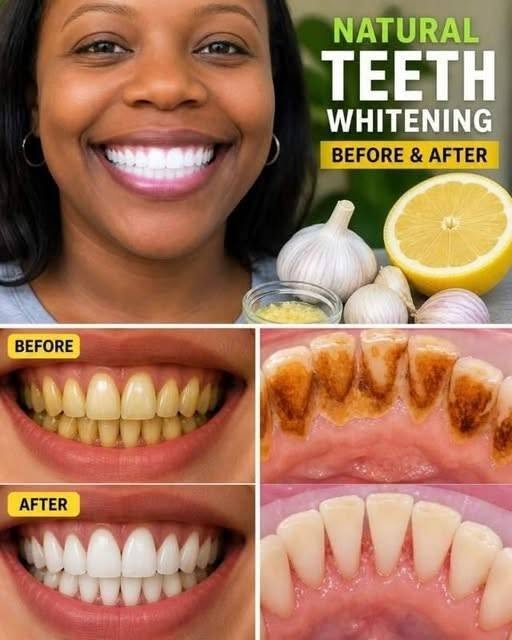
What Lemon Really Does to Yellow Teeth When Brushing Stops Working — The Truth Behind This Popular Home Trick
Wondering if lemon can whiten yellow teeth when brushing is not enough? Learn what lemon may do, the risks, and safer ways to improve your smile.
You brush your teeth every day.
You use toothpaste.
You take care of your smile.
But then you look in the mirror and notice something frustrating: your teeth still look yellow.
That is when many people start searching for a quick solution.
One popular idea is using lemon because it seems natural, affordable, and easy to find in almost every kitchen.
The question is:
Can lemon really brighten yellow teeth, or could it actually harm your smile?
The answer may surprise you.
While lemon contains natural acids that can affect stains on the surface of teeth, using it incorrectly may do more harm than good.
Understanding what happens inside your mouth can help you make smarter choices for your dental health.
Why Do Teeth Become Yellow?
Before trying to remove yellow coloring, it helps to understand where it comes from.
Teeth can appear yellow for several reasons.
Natural Tooth Color
Healthy teeth are not naturally bright white.
The outer layer of teeth, called enamel, is slightly translucent. The layer underneath, called dentin, has a naturally yellowish color.
As enamel becomes thinner over time, more of the dentin color may show through.
Food and Drinks
Certain foods and beverages can contribute to surface staining, including:
- Coffee
- Tea
- Red wine
- Dark-colored sauces
- Some berries
Aging
Over the years, enamel naturally wears down, making teeth appear darker or more yellow.
Tobacco Use
Smoking or chewing tobacco can cause noticeable staining.
What Does Lemon Do to Teeth?
Lemon contains citric acid.
Acids can affect the surface of teeth by temporarily softening enamel.
This is why lemon juice may seem like it makes teeth look brighter—it can remove some surface buildup or change how stains appear.
However, there is an important downside.
Repeated exposure to acidic substances can weaken tooth enamel.
The Hidden Risk of Using Lemon on Teeth
Many online tips suggest:
- Rubbing lemon directly on teeth
- Brushing with lemon juice
- Mixing lemon with baking soda
These methods may sound harmless because lemon is natural.
But natural does not always mean safe for daily use.
Frequent acid exposure may contribute to:
- Enamel erosion
- Increased tooth sensitivity
- Greater vulnerability to cavities
- Rougher tooth surfaces
Once enamel is lost, the body cannot naturally grow it back.
Why Lemon May Make Teeth Look Whiter Temporarily
Some people notice a short-term difference after using lemon.
This can happen because:
- Surface residue is removed
- Teeth become temporarily cleaner-looking
- The acidic environment changes surface texture
But this is not the same as true whitening.
Professional whitening products work through specific ingredients designed to change tooth color more safely when used correctly.
Safer Ways to Improve the Appearance of Yellow Teeth
If brushing alone is not giving the results you want, consider these approaches.
1. Improve Brushing Technique
Many people brush regularly but not effectively.
Helpful habits include:
- Brush for about two minutes
- Use gentle circular motions
- Clean along the gumline
- Replace your toothbrush or brush head regularly
2. Floss Consistently
Food particles between teeth can contribute to a less clean appearance.
Daily flossing supports overall oral hygiene.
3. Reduce Staining Habits
You do not always need to eliminate your favorite drinks.
Small changes can help:
- Drink water after coffee or tea
- Avoid sipping staining drinks for long periods
- Maintain regular dental cleanings
4. Consider Professional Advice
A dentist can determine whether yellowing comes from:
- Surface stains
- Enamel changes
- Natural tooth color
- Other dental issues
The right solution depends on the cause.
What About Lemon and Baking Soda?
This combination is one of the most common viral teeth-whitening suggestions.
The problem is that it combines:
- An acidic ingredient (lemon)
- An abrasive ingredient (baking soda)
Repeated use may be harsh on enamel.
A brighter smile is not worth damaging the protective layer of your teeth.
Common Teeth Whitening Mistakes
Mistake 1: Using Acidic Ingredients Regularly
Lemon, vinegar, and other acids may seem like easy solutions.
Better approach: Choose products designed for dental use.
Mistake 2: Scrubbing Harder for Whiter Teeth
Aggressive brushing does not remove deeper stains and may irritate gums.
Mistake 3: Expecting Instant Results
Healthy whitening usually takes time and depends on the cause of discoloration.
Mistake 4: Ignoring Dental Problems
Yellow appearance can sometimes be related to issues that require professional attention.
A Simple Smile Care Routine
Morning:
✅ Brush with fluoride toothpaste
✅ Clean your tongue if needed
✅ Drink water regularly
During the Day:
✅ Limit frequent sugary drinks
✅ Rinse after staining foods
Night:
✅ Brush before sleeping
✅ Floss if recommended
Frequently Asked Questions
Does lemon whiten yellow teeth?
Lemon may affect surface stains temporarily, but it is not considered a safe long-term whitening method because its acidity can damage enamel.
Can lemon damage tooth enamel?
Yes. Frequent exposure to acidic substances can weaken enamel over time.
Is baking soda safe for whitening teeth?
Some dental products contain baking soda, but using homemade mixtures with lemon or excessive scrubbing may be harmful.
Why are my teeth yellow even though I brush every day?
Yellowing can come from natural tooth color, aging, staining foods, enamel thinning, or other factors.
How can I whiten my teeth naturally?
Maintaining good oral hygiene, reducing staining habits, and getting professional advice are safer approaches.
How long does professional teeth whitening last?
Results vary depending on diet, habits, and oral care.
Can yellow teeth become white again?
Many types of staining can improve, but natural tooth color and enamel changes may not completely disappear.
Should I stop drinking coffee to have white teeth?
Not necessarily. Good oral care habits can help reduce the effect of staining beverages.
Yellow Teeth Care Checklist
Do:
✅ Brush properly twice daily
✅ Use fluoride toothpaste
✅ Floss regularly
✅ Drink water after staining foods
✅ Ask a dentist about whitening options
Avoid:
❌ Rubbing lemon directly on teeth
❌ Using harsh homemade whitening mixtures
❌ Brushing aggressively
❌ Ignoring tooth sensitivity
Final Thoughts
The idea of using lemon for yellow teeth is appealing because it feels simple and natural.
But your teeth are not like kitchen surfaces that can be scrubbed clean with acidic ingredients. Enamel is a valuable protective layer, and caring for it is the key to a healthier smile.
Lemon may create a temporary brightening effect, but repeated use can damage enamel. For a whiter smile, focus on proven dental habits and safe whitening methods.
Share this with someone who is trying home teeth-whitening tricks, leave a comment about your experience, and explore more healthy lifestyle tips.