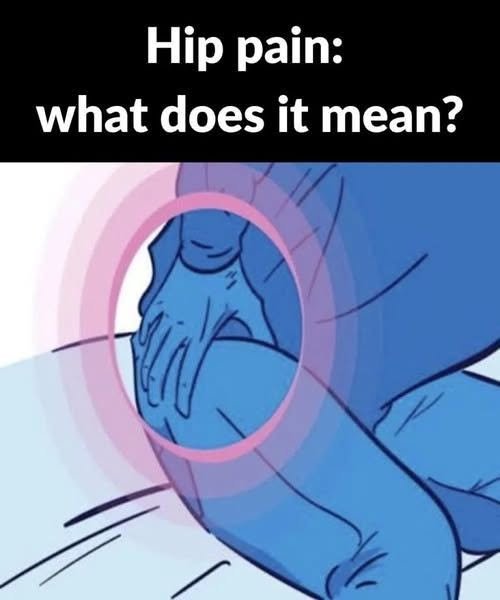
Hip Pain: What Does It Mean? Common Causes, Warning Signs, and What Your Body May Be Telling You
Hip pain can come from muscles, joints, injuries, or other health issues. Learn the common causes, symptoms, and when to seek medical advice.
Hip Pain: What Does It Mean?
Your hips carry you through almost everything you do.
Walking to the kitchen.
Climbing stairs.
Standing up from a chair.
Turning in bed.
So when hip pain appears, even simple movements can suddenly feel difficult.
Many people wonder:
“Is my hip pain just aging, or is my body trying to tell me something?”
The answer depends on several factors, including where the pain is located, what it feels like, how long it has lasted, and what activities make it better or worse.
Hip pain can come from a temporary muscle strain, everyday wear and tear, joint problems, or conditions that need medical attention.
Understanding the possible causes is the first step toward finding relief.
Where Does Hip Pain Come From?
The hip is a complex area made up of:
- Bones
- Muscles
- Tendons
- Ligaments
- Cartilage
- Nerves
Pain can come from the actual hip joint, but it can also come from nearby areas such as the lower back, pelvis, or muscles around the hip.
This is why the location of the pain matters.
Common Causes of Hip Pain
1. Muscle Strain or Overuse
Sometimes hip pain happens because the muscles around the hip have been pushed too hard.
This can occur after:
- A new exercise routine
- Heavy lifting
- Long walks
- Unusual physical activity
You may notice:
- Soreness
- Tightness
- Pain when moving a certain way
Rest, gentle movement, and proper recovery often help mild strains improve.
2. Arthritis and Joint Wear
One of the most common causes of hip pain, especially as people get older, is arthritis.
When the protective cartilage inside the joint wears down, bones may move less smoothly.
Possible symptoms include:
- Stiffness
- Pain with walking
- Reduced range of motion
- Discomfort after sitting for a long time
Many people notice the pain is worse when they first start moving after rest.
3. Bursitis
Around the hip are small fluid-filled sacs called bursae that help reduce friction.
When these become irritated, it can cause pain.
Signs may include:
- Pain on the outside of the hip
- Tenderness when lying on that side
- Discomfort when climbing stairs
4. Tendon Problems
Tendons connect muscles to bones.
Repeated stress can cause irritation, sometimes called tendinitis.
Symptoms may include:
- Aching pain
- Weakness
- Pain during specific movements
5. Nerve-Related Pain
Sometimes hip discomfort is not actually coming from the hip joint.
Problems involving the lower back or nerves may cause pain that travels into:
- The hip
- Buttocks
- Thigh
- Leg
Nerve pain may feel like:
- Tingling
- Burning
- Numbness
- Electric-like sensations
6. Injury or Fall
A fall, accident, or sudden impact can injure the hip.
Possible injuries include:
- Bruising
- Muscle damage
- Fractures
Older adults may have a higher risk of hip fractures, especially if bones are weakened.
What Does the Location of Hip Pain Mean?
The area where you feel pain can provide clues.
Pain on the Outside of the Hip
Often linked with:
- Bursitis
- Tendon irritation
- Muscle problems
Pain in the Groin Area
May involve:
- The hip joint
- Arthritis
- Joint inflammation
Pain in the Buttocks or Back of the Hip
May sometimes be related to:
- Muscles
- Lower back issues
- Nerve irritation
Simple Ways to Support Hip Health
Stay Active With Low-Impact Exercise
Movement helps keep joints flexible.
Examples:
- Walking
- Swimming
- Gentle stretching
- Cycling
Avoid pushing through sharp or severe pain.
Strengthen Supporting Muscles
Strong muscles around the hips can help support movement.
Exercises that may help include:
- Gentle leg raises
- Bridges
- Balance exercises
If you have significant pain, ask a healthcare professional before starting new exercises.
Maintain a Healthy Weight
Extra stress on weight-bearing joints can increase discomfort for some people.
Pay Attention to Your Posture
Poor posture while sitting or standing can affect how your hips and surrounding muscles work.
Common Mistakes People Make With Hip Pain
Mistake 1: Ignoring Persistent Pain
Some people wait months hoping pain will disappear.
Better approach: If pain continues or worsens, get it checked.
Mistake 2: Complete Rest for Too Long
Avoiding all movement can sometimes increase stiffness.
Better approach: Gentle movement is often beneficial when appropriate.
Mistake 3: Exercising Through Severe Pain
Pushing through sharp or intense pain can make some problems worse.
Mistake 4: Treating the Symptom Only
Pain location does not always reveal the true cause.
A proper evaluation can identify the source.
When Should You See a Doctor About Hip Pain?
Seek medical advice if you have:
- Severe pain after a fall
- Inability to put weight on the leg
- Sudden intense pain
- Fever with hip pain
- Swelling or redness
- Pain that does not improve
- Night pain that repeatedly wakes you
These signs deserve professional evaluation.
Frequently Asked Questions
Is hip pain a normal part of aging?
Hip discomfort becomes more common with age, but ongoing pain should not simply be ignored.
Can walking make hip pain better?
Gentle walking may help some people, but the right amount depends on the cause of the pain.
What is the most common reason for hip pain?
Common causes include arthritis, muscle strain, tendon irritation, and bursitis.
How do I know if my hip pain is serious?
Severe pain, inability to walk, injury-related pain, fever, or sudden changes should be checked by a healthcare professional.
Can hip pain come from the lower back?
Yes. Nerve problems and spine conditions can sometimes cause pain felt around the hip.
What exercises are good for hip pain?
Low-impact activities and gentle strengthening exercises may help, depending on the cause.
Does hip pain always mean arthritis?
No. Many conditions besides arthritis can cause hip pain.
Should I use heat or ice for hip pain?
Ice may help after a new injury, while heat may help some types of stiffness. The best choice depends on the situation.
Hip Pain Care Checklist
Do:
✅ Notice where the pain starts
✅ Stay gently active if possible
✅ Strengthen supporting muscles
✅ Use proper posture
✅ Seek help for persistent symptoms
Avoid:
❌ Ignoring worsening pain
❌ Pushing through severe discomfort
❌ Self-diagnosing without evaluation
❌ Avoiding all movement for long periods
Final Thoughts
Hip pain can mean many different things—from a simple muscle strain to a condition that needs medical attention.
The most important clues are where the pain occurs, what triggers it, how long it lasts, and whether it affects your daily activities.
Hip pain is your body’s way of asking for attention. Understanding the cause, staying active safely, and getting help when needed can protect your mobility and quality of life.
Share this with someone dealing with hip discomfort, leave a comment about your experience, and explore more healthy aging and wellness tips.