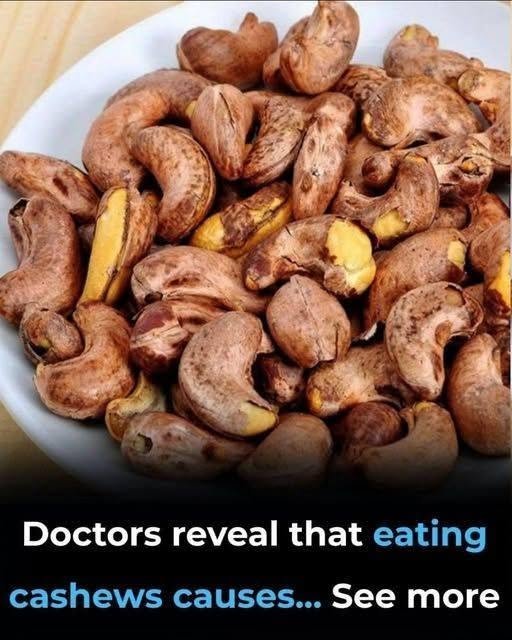
Doctors Reveal What Eating Cashews Really Does to Your Body — The Benefits and Facts You Should Know
Discover what happens when you eat cashews regularly, including their benefits, possible concerns, and how to enjoy them as part of a healthy diet.
A small handful of cashews may look like a simple snack, but these creamy, crunchy nuts contain a surprising mix of nutrients that can influence your overall health.
For years, people have debated nuts.
Some avoid them because they are calorie-dense.
Others add them to meals because they know they contain healthy fats, minerals, and plant-based nutrients.
So what really happens when you eat cashews?
The answer is not a miracle cure or a hidden danger.
Cashews can be a nutritious part of a balanced diet, but like any food, they work best when eaten in the right amounts.
Let’s look at what research and nutrition experts say about this popular nut.
What Happens When You Eat Cashews?
Cashews provide several important nutrients, including:
- Healthy unsaturated fats
- Plant-based protein
- Fiber
- Magnesium
- Copper
- Zinc
- Antioxidants
These nutrients support many functions in the body, from energy production to maintaining healthy cells.
1. Cashews May Support Heart Health
Cashews contain mostly unsaturated fats, which are often considered heart-friendly fats when they replace less healthy fat sources.
Including nuts as part of an overall balanced eating pattern may support:
- Healthy cholesterol levels
- Better dietary quality
- Cardiovascular wellness
However, adding cashews on top of an already high-calorie diet may not provide the same benefits.
Portion size matters.
2. They Provide Important Minerals
Cashews are especially known for minerals such as magnesium and copper.
Magnesium
Magnesium plays a role in:
- Muscle function
- Nerve function
- Energy metabolism
Copper
Copper helps the body with:
- Red blood cell formation
- Iron metabolism
- Connective tissue maintenance
A small serving of cashews can contribute meaningful amounts of these nutrients.
3. Cashews Can Help You Feel Satisfied
Because cashews contain fat, protein, and some fiber, they can help create a feeling of fullness.
This may make them a useful snack choice compared with highly processed snacks that provide fewer nutrients.
A handful of cashews may help prevent reaching for less nutritious options later.
4. They Support Healthy Energy Levels
Cashews contain nutrients involved in converting food into energy.
They can be especially convenient for:
- Busy days
- Travel snacks
- Adding nutrition to meals
Try adding them to:
- Oatmeal
- Salads
- Stir-fries
- Yogurt
5. Cashews May Support Bone Health
Healthy bones require several nutrients, including:
- Magnesium
- Copper
- Protein
Cashews can contribute to a diet that supports bone health, especially when combined with other nutrient-rich foods.
How Many Cashews Should You Eat?
More is not always better.
A typical serving is around:
1 ounce (about a small handful)
This provides nutrition without adding excessive calories.
A common mistake is eating directly from a large bag, which can quickly turn a small snack into several servings.
Are There Any Reasons to Be Careful With Cashews?
Yes.
Although cashews are healthy for many people, some considerations matter.
1. Nut Allergies
People with tree nut allergies may need to avoid cashews.
Allergic reactions can range from mild symptoms to serious reactions requiring medical attention.
2. Calories Add Up Quickly
Cashews are nutrient-rich but energy-dense.
Eating large amounts regularly may contribute more calories than expected.
3. Salted Cashews May Contain High Sodium
Salted varieties can add extra sodium.
For people watching sodium intake, unsalted or lightly salted options may be a better choice.
4. Some People May Have Digestive Discomfort
Eating a large amount of nuts at once may cause:
- Bloating
- Gas
- Digestive discomfort
Starting with moderate portions is often easier for the body.
Raw vs. Roasted Cashews: Which Is Better?
Both can fit into a healthy diet.
Raw Cashews:
- Less processed
- No added oils or salt if plain
Roasted Cashews:
- Often have a stronger flavor
- May contain added salt or oils depending on preparation
The best choice depends on your personal preference and health goals.
Common Mistakes People Make When Eating Cashews
Mistake 1: Thinking More Means More Benefits
A huge amount of cashews does not create extra health benefits.
Better approach: Enjoy reasonable portions.
Mistake 2: Choosing Sugary or Flavored Versions
Honey-coated or heavily flavored nuts can contain added sugar.
Better approach: Choose plain or lightly seasoned options more often.
Mistake 3: Replacing a Balanced Diet With One Food
Cashews are nutritious, but they cannot provide everything your body needs.
A Simple Way to Add Cashews to Your Day
Breakfast:
Add chopped cashews to oatmeal or yogurt.
Lunch:
Sprinkle them over a salad for crunch.
Snack:
Enjoy a small handful with fruit.
Dinner:
Use them in vegetable dishes or healthy recipes.
Frequently Asked Questions
Are cashews good to eat every day?
For many people, a moderate amount of cashews can fit into a healthy daily diet.
Do cashews increase cholesterol?
Cashews contain unsaturated fats and may fit into heart-healthy eating patterns.
Can cashews help with weight loss?
Cashews can help with fullness, but portion control is important because they are calorie-dense.
Are salted cashews unhealthy?
Salted cashews can be enjoyed occasionally, but frequent high-sodium intake may be a concern for some people.
Are cashews good for older adults?
Cashews provide protein and minerals that can support overall nutrition as part of a balanced diet.
Can eating too many cashews cause problems?
Large amounts may contribute extra calories or digestive discomfort.
Are cashews a good source of protein?
Yes, they contain plant-based protein, although they are not as protein-rich as some other foods.
Should people with nut allergies avoid cashews?
Yes. Anyone with a known tree nut allergy should follow medical guidance.
Cashew Eating Checklist
Choose:
✅ Plain or lightly salted cashews
✅ Reasonable portions
✅ A balanced diet with other whole foods
Avoid:
❌ Eating large amounts without noticing
❌ Relying on cashews as a complete nutrition source
❌ Ignoring allergy symptoms
Final Thoughts
Cashews are more than just a tasty snack.
They provide healthy fats, minerals, and nutrients that can support overall wellness when included in a balanced eating pattern.
The key is moderation.
A small handful can be a smart addition to your day, but no single food can replace a varied, nutritious diet.
Eating cashews in moderate amounts may support heart health, energy, and overall nutrition—but the healthiest results come from balance, variety, and mindful portions.
Share this with someone who loves cashews, leave a comment about your favorite nut snack, and explore more healthy eating tips.