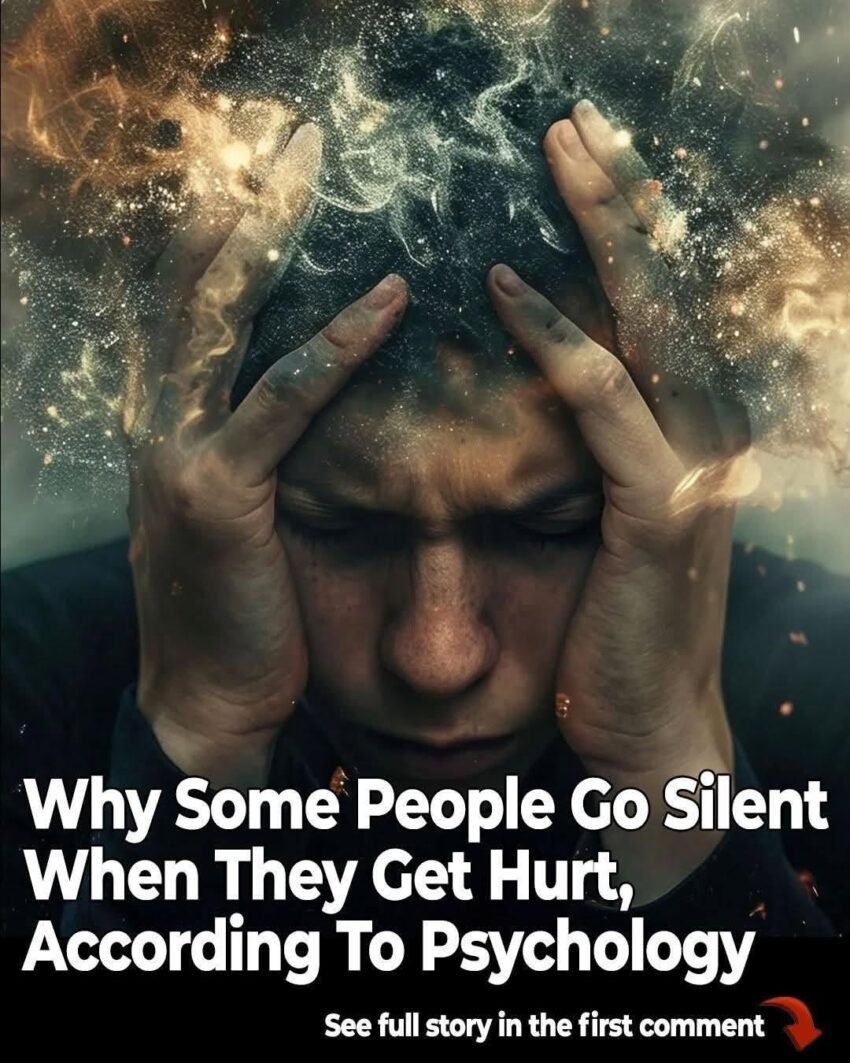
Why Some People Go Silent When They’re Hurt: The Hidden Psychology Behind Emotional Withdrawal
Discover why some people become silent when they are hurt, what emotional withdrawal really means, and how to respond with understanding and healthier communication.
Someone hurts you.
You want to explain how you feel. You want answers. You want the other person to understand the damage they caused.
But instead of arguing, crying, or demanding an explanation, you become quiet.
You stop replying.
You avoid the conversation.
You say, “I’m fine,” even though you are not.
Many people misunderstand silence after emotional pain. They assume it means someone does not care, is being cold, or is trying to punish others.
But sometimes silence is not about pushing people away.
Sometimes silence is the only way a person knows how to protect themselves.
Behind emotional withdrawal, there can be many hidden experiences: fear of saying the wrong thing, feeling overwhelmed, past wounds, difficulty expressing emotions, or the belief that speaking will only make things worse.
Understanding why people go silent when they are hurt can change the way we see ourselves and the people around us.
Because silence is not always emptiness.
Sometimes silence is carrying a message that words cannot express.
The Difference Between Silence and Not Caring
One of the biggest misunderstandings about quiet people is the assumption that they do not have strong emotions.
Often, the opposite is true.
Some people become silent because they feel too much.
When emotions become intense, the brain can shift into a protective state. A person may struggle to organize thoughts, choose words, or communicate calmly.
Instead of saying something they may regret, they withdraw.
A person thinking:
“I need some time before I respond”
may appear distant to someone who expects immediate conversation.
The silence may not mean:
“I don’t care.”
It may mean:
“I care so much that I don’t know how to handle what I’m feeling right now.”
1. Silence Can Be a Way to Process Overwhelming Emotions
Not everyone processes pain the same way.
Some people need to talk immediately.
They process emotions through conversation.
Others need space first.
They process internally.
When someone is hurt, their mind may be filled with conflicting emotions:
- Anger
- Sadness
- Disappointment
- Fear
- Confusion
- Feeling rejected
Trying to explain all of that in the moment can feel impossible.
Silence becomes a temporary escape from emotional overload.
A person may think:
“If I talk right now, I will say something I don’t mean.”
Taking time to process can sometimes be healthier than reacting impulsively.
2. They Learned That Speaking Up Was Unsafe
Many people’s communication habits come from childhood experiences.
Someone who grew up in an environment where emotions were ignored, criticized, or punished may learn:
“Keeping quiet is safer.”
For example:
A child who expressed sadness and was told to “stop being dramatic” may grow into an adult who hides pain.
A person who was punished for disagreeing may avoid difficult conversations.
Over time, silence becomes a survival strategy.
The person is not necessarily trying to be difficult.
They may simply be repeating a pattern they learned long ago.
3. They Are Afraid Their Feelings Will Be Dismissed
One of the most painful experiences is opening up and feeling unheard.
Someone may avoid explaining their hurt because they expect responses like:
“You’re overreacting.”
“You’re too sensitive.”
“That’s not what happened.”
When a person believes their emotions will be rejected, they may choose silence instead.
It can feel easier to say nothing than to share something vulnerable and feel invalidated.
4. Silence Can Be a Form of Self-Control
Not every quiet moment is unhealthy.
Sometimes silence shows emotional maturity.
A person who is deeply hurt may recognize that an immediate reaction could damage the relationship further.
Instead of yelling, insulting, or making decisions while angry, they step away.
This type of silence is different from punishment.
Healthy silence sounds like:
“I need some time to calm down. I want to talk about this, but I need a moment first.”
Unhealthy silence sounds like:
“I’m going to ignore you until you suffer.”
The difference is intention.
5. Some People Fear Conflict
Conflict can feel threatening for some individuals.
They may associate disagreements with:
- Rejection
- Abandonment
- Anger
- Losing relationships
When conflict appears, their instinct is to escape.
They do not become quiet because they have nothing to say.
They become quiet because confrontation feels overwhelming.
This is sometimes called a “freeze” response — a natural stress reaction where a person becomes emotionally stuck.
6. They Are Trying to Protect Their Dignity
Sometimes silence happens because someone feels deeply disrespected.
They may think:
“I have explained myself many times.”
“I don’t want to beg someone to understand my pain.”
“I would rather walk away than keep proving why I’m hurt.”
For some people, silence becomes a way of maintaining self-respect.
They choose distance because they no longer want to fight for basic consideration.
7. They Do Not Have the Words for What They Feel
Emotions are not always easy to explain.
A person may know:
“I feel terrible.”
But they may not know:
“Exactly why do I feel this way?”
They may be experiencing:
- Disappointment
- Betrayal
- Insecurity
- Grief
- Shame
but lack the emotional vocabulary to express it.
Silence gives them time to understand their own feelings.
The Psychology Behind Emotional Shutdown
When people experience emotional pain, the brain can respond as if there is a threat.
The body prepares for protection.
Some people fight.
Some people argue.
Some people leave.
Others become quiet.
This does not mean the person is weak.
It means their nervous system has chosen a protective response.
However, if silence becomes the only way someone handles conflict, it can damage relationships over time.
Healthy relationships require both emotional safety and communication.
When Silence Becomes Harmful
While silence can be protective, prolonged emotional withdrawal can create problems.
It may become unhealthy when someone:
- Refuses every attempt at communication
- Uses silence to control another person
- Avoids responsibility indefinitely
- Creates fear or anxiety intentionally
- Punishes someone through emotional distance
There is a difference between:
“I need time.”
and:
“I will make you suffer by refusing to communicate.”
The first creates space.
The second creates emotional damage.
Why Some People Go Silent Instead of Crying
People often assume sadness always looks the same.
But emotional pain appears differently.
Some people cry openly.
Some become angry.
Some become quiet.
A person who goes silent may actually be experiencing intense emotion internally.
They may be crying inside while appearing calm outside.
This is why judging someone only by their outward reaction can be misleading.
How to Respond When Someone Goes Silent
If someone you care about becomes quiet after being hurt, forcing them to talk immediately may not help.
Instead:
Give Space Without Disappearing
You can say:
“I can see you need some time. I’m here when you’re ready.”
This creates safety without pressure.
Avoid Accusations
Statements like:
“Why are you ignoring me?”
may make someone withdraw further.
Try:
“I feel distance between us, and I would like to understand what you’re feeling.”
Be Patient
Some people need time to organize their thoughts before they can communicate clearly.
How to Communicate If You Are the Person Who Goes Silent
If you recognize yourself in this pattern, you can practice healthier silence.
Instead of disappearing, try explaining:
“I’m hurt and I need some time to process. I don’t want to avoid this conversation. I just need a little space before we talk.”
This small sentence can prevent misunderstandings.
It tells the other person:
- You are not abandoning them
- You still care
- You intend to communicate
The Hidden Message Behind Silence
Sometimes silence says:
“I am hurt.”
“I feel unheard.”
“I don’t know how to explain this.”
“I need to feel safe before I open up.”
“I’m afraid this conversation will make things worse.”
Learning to understand these hidden messages can improve relationships.
Not every quiet person is angry.
Not every quiet person is ignoring you.
Sometimes they are carrying emotions they have not yet learned how to express.
Common Mistakes People Make
Mistake 1: Assuming Silence Means Indifference
A quiet person may care deeply.
Better approach: Look at the overall pattern of behavior.
Mistake 2: Forcing Someone to Talk Immediately
Pressure can make emotional shutdown worse.
Better approach: Create a safe opportunity for conversation.
Mistake 3: Treating Silence as Always Healthy
Avoiding every difficult conversation prevents growth.
Better approach: Use space as preparation, not escape.
Mistake 4: Ignoring Your Own Needs
Understanding someone’s silence does not mean accepting endless emotional distance.
Better approach: Balance compassion with healthy boundaries.
Frequently Asked Questions
Why do people become silent when they are hurt?
People may become silent because they feel overwhelmed, fear conflict, need time to process emotions, or believe speaking will not change anything.
Is going silent a sign of emotional maturity?
Sometimes. Taking time to calm down can be healthy, but refusing communication for long periods can damage relationships.
Does silence mean someone is angry?
Not always. Silence can represent sadness, confusion, fear, disappointment, or emotional exhaustion.
Why do some people shut down during arguments?
Some people experience conflict as emotionally threatening and respond by withdrawing rather than engaging.
How long should someone take space after being hurt?
There is no universal timeline. Healthy space usually includes an intention to return and communicate.
How do you talk to someone who shuts down?
Approach them calmly, avoid blame, acknowledge their feelings, and create a safe environment for conversation.
Can a person change their habit of going silent?
Yes. With awareness and practice, people can learn healthier ways to express emotions.
Is silent treatment the same as needing space?
No. Needing space is communicated and temporary. Silent treatment is often used to punish or control.
Final Thoughts
Silence is often misunderstood.
People see the absence of words and assume there is no emotion.
But sometimes silence contains the strongest emotions a person has ever felt.
Someone may go quiet because they are protecting themselves, searching for the right words, or trying not to make a painful situation worse.
The goal is not to eliminate silence completely.
The goal is to understand what kind of silence it is.
Is it a moment of reflection?
Or is it a wall built to avoid connection?
The answer often determines whether silence heals a relationship or slowly creates distance.
When someone goes silent after being hurt, they may not be trying to push you away. Sometimes they are simply trying to protect a part of themselves that feels wounded.
Learning to listen — even when no words are being spoken — can reveal what the heart is struggling to say.