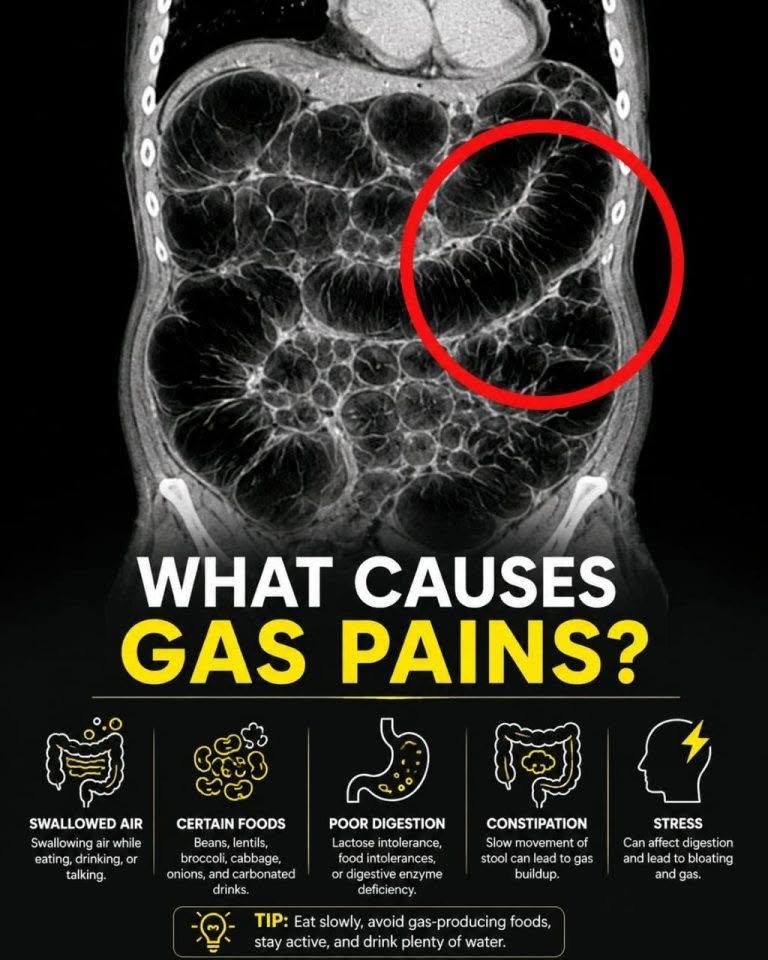
Frequent Intestinal Gas: The Real Causes Almost No One Explains Clearly (And What You Can Actually Do About It)
Discover the real reasons behind frequent intestinal gas, from diet and gut bacteria to hidden medical conditions. Learn practical, science-backed ways to reduce bloating and improve digestive health.
Passing gas is a normal part of digestion. In fact, the average person passes gas anywhere from 10 to 20 times a day, often without even noticing it. Yet when gas becomes frequent, excessive, foul-smelling, or accompanied by bloating and discomfort, it can quickly turn into an embarrassing and frustrating problem.
Many people assume the solution is simple: stop eating beans, avoid fizzy drinks, or take an over-the-counter anti-gas product. While these strategies can help in some cases, they often miss the bigger picture.
Frequent intestinal gas is rarely caused by a single food alone. Instead, it’s usually the result of a combination of factors—including how you eat, what your gut bacteria are doing, how well your digestive system absorbs nutrients, and, in some cases, an underlying medical condition.
This guide explains the science behind intestinal gas in plain English. You’ll learn why it happens, which causes are most often overlooked, when it’s completely normal, and when it’s time to speak with a healthcare professional.
What Exactly Is Intestinal Gas?
Intestinal gas is a mixture of gases produced inside your digestive tract. These gases mainly come from two sources:
- Air that you swallow while eating, drinking, talking, chewing gum, or smoking.
- Gases produced by bacteria in your large intestine as they break down undigested carbohydrates and fibre.
The main gases include:
- Nitrogen
- Oxygen
- Carbon dioxide
- Hydrogen
- Methane
Interestingly, most intestinal gas has little or no odour. The unpleasant smell usually comes from tiny amounts of sulphur-containing compounds produced when gut bacteria digest certain proteins.
Why Gas Is Actually a Sign Your Gut Is Working
Many people think gas automatically means poor digestion.
That’s not entirely true.
A healthy gut contains trillions of microorganisms collectively known as the gut microbiome. These bacteria help digest foods your stomach and small intestine cannot fully break down.
During this process, bacteria naturally produce gas.
In other words, some gas is actually evidence that your gut microbes are doing their job.
The key question isn’t whether you produce gas—but whether you’re producing an unusual amount or experiencing symptoms that interfere with your daily life.
The Most Common Causes of Frequent Intestinal Gas
1. Swallowing Too Much Air
One of the simplest—and most overlooked—causes is swallowing excess air, a condition known as aerophagia.
This can happen when you:
- Eat too quickly
- Drink through a straw
- Chew gum frequently
- Talk while eating
- Smoke or vape
- Drink carbonated beverages
Every extra gulp of air eventually has to leave your digestive system, either as a burp or as intestinal gas.
What helps
- Slow down during meals.
- Take smaller bites.
- Avoid rushing through food.
- Reduce chewing gum.
- Limit fizzy drinks.
2. High-Fibre Foods
Fibre is excellent for heart health, blood sugar control, and regular bowel movements.
However, increasing fibre too quickly can temporarily increase gas production.
Foods commonly associated with more gas include:
- Beans
- Lentils
- Chickpeas
- Oats
- Whole grains
- Apples
- Pears
- Broccoli
- Brussels sprouts
- Cabbage
This doesn’t mean these foods are unhealthy. In fact, they are among the healthiest foods you can eat.
Instead, gradually increasing fibre while drinking enough water often allows your gut bacteria to adapt over time.
3. Sugar Alcohols
Many “sugar-free” products contain sweeteners that aren’t fully absorbed by the body.
These include:
- Sorbitol
- Mannitol
- Xylitol
- Maltitol
- Erythritol (usually better tolerated, but large amounts may still cause symptoms)
Because these sweeteners reach the large intestine largely undigested, bacteria ferment them and produce gas.
Common sources include:
- Sugar-free gum
- Protein bars
- Diet sweets
- Low-carbohydrate desserts
4. Lactose Intolerance
Millions of adults produce less lactase—the enzyme needed to digest lactose, the natural sugar found in milk.
Without enough lactase:
- Lactose reaches the colon.
- Gut bacteria ferment it.
- Gas, bloating, cramps, and diarrhoea may follow.
Symptoms often begin 30 minutes to two hours after consuming dairy.
Not everyone with lactose intolerance reacts to the same degree. Some people tolerate yoghurt or hard cheeses better than milk.
5. Fructose Malabsorption
Fructose is a naturally occurring sugar found in fruit, honey, and some sweeteners such as high-fructose corn syrup.
Some people absorb fructose poorly.
When this happens, bacteria ferment the leftover fructose, leading to:
- Gas
- Bloating
- Abdominal discomfort
- Loose stools
Foods that commonly trigger symptoms include apples, pears, mangoes, watermelon, honey, and certain processed foods.
6. FODMAP Sensitivity
One of the most important developments in digestive medicine over the past decade has been the recognition of FODMAPs.
FODMAP stands for Fermentable Oligosaccharides, Disaccharides, Monosaccharides, and Polyols—a group of carbohydrates that are poorly absorbed in some people.
Examples include:
- Onions
- Garlic
- Wheat
- Beans
- Certain fruits
- Milk
- Sweeteners containing polyols
For people with irritable bowel syndrome (IBS), reducing high-FODMAP foods under the guidance of a qualified dietitian can significantly reduce gas and bloating.
7. Changes in the Gut Microbiome
Your gut bacteria are constantly changing.
Factors that influence them include:
- Antibiotics
- Illness
- Diet
- Stress
- Age
- Travel
A disruption in the balance of gut bacteria can increase fermentation, resulting in more intestinal gas.
Emerging research suggests that maintaining a diverse, fibre-rich diet supports a healthier microbiome, although responses vary from person to person.
8. Constipation
When stool remains in the colon for longer than usual, bacteria have more time to ferment its contents.
This can lead to:
- Increased gas
- Bloating
- Abdominal pressure
- A feeling of incomplete emptying
Improving bowel regularity often reduces these symptoms.
9. Irritable Bowel Syndrome (IBS)
IBS is one of the most common digestive disorders.
People with IBS often experience:
- Excess gas
- Bloating
- Abdominal pain
- Diarrhoea, constipation, or both
Interestingly, research suggests that many people with IBS do not produce dramatically more gas than others—they may simply be more sensitive to normal amounts of intestinal gas.
10. Small Intestinal Bacterial Overgrowth (SIBO)
Normally, most gut bacteria live in the large intestine.
In SIBO, excessive bacteria grow in the small intestine, where they ferment food earlier than they should.
Symptoms may include:
- Persistent bloating
- Frequent gas
- Diarrhoea
- Nutrient deficiencies
- Abdominal discomfort after meals
Diagnosis usually requires specialised breath testing and should be discussed with a healthcare professional.
Foods Most Likely to Cause Gas
| Food | Why It Causes Gas |
|---|---|
| Beans and lentils | High in fermentable carbohydrates |
| Broccoli and cabbage | Rich in fibre and sulphur compounds |
| Onions and garlic | High in FODMAPs |
| Apples and pears | Contain fructose and fibre |
| Dairy products | May trigger symptoms in lactose intolerance |
| Fizzy drinks | Introduce swallowed carbon dioxide |
| Sugar-free sweets | Often contain sugar alcohols |
| Wheat products | Can affect people sensitive to FODMAPs |
Less Obvious Causes People Often Miss
Several everyday habits can quietly contribute to frequent gas:
- Drinking several cups of coffee on an empty stomach.
- Eating very large evening meals.
- Lying down immediately after eating.
- Chronic stress, which can alter gut function.
- Certain medications, including some antibiotics and fibre supplements.
- Wearing very tight clothing around the abdomen.
These factors may not directly create gas but can worsen bloating or make you more aware of it.
A Step-by-Step Plan to Reduce Frequent Gas
Step 1: Keep a Food and Symptom Diary
Track what you eat, when symptoms occur, and their severity for one to two weeks. Patterns often become clear.
Step 2: Slow Down at Mealtimes
Eat mindfully, chew thoroughly, and avoid swallowing excess air.
Step 3: Increase Fibre Gradually
If you’re increasing your fibre intake, do so over several weeks rather than all at once.
Step 4: Stay Hydrated
Adequate fluid intake supports digestion and helps prevent constipation.
Step 5: Stay Physically Active
Even a 15–30 minute walk after meals can help stimulate normal bowel movement and reduce trapped gas.
Step 6: Review Dairy Intake
If dairy consistently triggers symptoms, discuss lactose intolerance with a healthcare professional.
Step 7: Seek Medical Advice if Symptoms Persist
Persistent symptoms deserve evaluation, especially if lifestyle changes don’t help.
Mini Case Scenario
Emma, a 42-year-old office worker, noticed she felt bloated every afternoon. She blamed vegetables and stopped eating salads, but her symptoms continued.
After keeping a food diary, she realised her daily “healthy” routine included three sugar-free protein bars and chewing gum throughout the workday. Both contained sugar alcohols.
Reducing these products and eating more slowly made a noticeable difference within two weeks.
The vegetables weren’t the problem after all.
Common Mistakes That Can Make Gas Worse
Eliminating Healthy Foods Too Quickly
Removing nutritious foods without identifying the true cause can lead to an unbalanced diet.
Assuming Probiotics Work for Everyone
Some people benefit from probiotics, while others notice little change—or even temporary increases in gas.
Ignoring Constipation
Treating gas alone without addressing constipation often misses the underlying issue.
Eating Too Fast
Rapid eating increases swallowed air and can worsen symptoms.
Self-Diagnosing Serious Conditions
Persistent or severe symptoms should be evaluated by a healthcare professional rather than managed solely with home remedies.
Expert Insights
- Gas volume alone isn’t always the problem; increased sensitivity to gas is common in IBS.
- A diverse, fibre-rich diet generally supports long-term gut health, even if fibre needs to be introduced gradually.
- Not all bloating is caused by excess gas. Fluid retention, slowed gut movement, and changes in abdominal muscle function can also contribute.
- Keeping a symptom diary is often one of the most valuable diagnostic tools before making major dietary changes.
Recent Developments in Digestive Health
Research continues to explore how the gut microbiome influences overall health, including digestion, immunity, and even aspects of mental well-being.
Scientists are also investigating personalised nutrition—using an individual’s gut bacteria, genetics, and lifestyle to predict which foods are most likely to cause digestive symptoms. While promising, these approaches are still evolving and are not yet part of routine medical care.
When Should You See a Doctor?
Occasional gas is normal, but seek medical advice if you experience:
- Unexplained weight loss.
- Blood in the stool.
- Persistent diarrhoea or constipation.
- Severe or worsening abdominal pain.
- Difficulty swallowing.
- Vomiting that doesn’t improve.
- Symptoms that wake you during the night.
- A sudden change in bowel habits, especially after age 50.
- Persistent symptoms lasting several weeks despite dietary changes.
These symptoms don’t necessarily indicate a serious condition, but they warrant professional evaluation.
Frequently Asked Questions
Is passing gas every day normal?
Yes. Most healthy adults pass gas between 10 and 20 times daily.
Why is my gas worse at night?
Gas can build up throughout the day as food is digested, and evening meals are often larger, increasing fermentation.
Does drinking more water reduce gas?
Water doesn’t directly remove gas, but it supports healthy digestion and helps prevent constipation, which can contribute to gas.
Can stress really cause gas?
Yes. Stress affects the communication between the brain and the gut, altering digestion and increasing awareness of intestinal sensations.
Are probiotics worth trying?
Some people benefit, particularly after antibiotics or for certain digestive conditions, but results vary. Discuss options with a healthcare professional if symptoms persist.
Why does healthy food sometimes make me gassy?
Many nutritious foods are rich in fibre and fermentable carbohydrates, which gut bacteria naturally break down, producing gas.
Is smelly gas a sign of disease?
Not usually. Diet—especially foods rich in sulphur, such as eggs, garlic, onions, and certain vegetables—is a common cause of stronger odours.
Can carbonated drinks cause gas?
Yes. Fizzy drinks introduce carbon dioxide into the digestive system, which may increase burping and bloating.
Should I avoid beans completely?
No. Beans are highly nutritious. Gradually increasing your intake and preparing them properly can improve tolerance for many people.
Can frequent gas be prevented completely?
Probably not—and it shouldn’t be. Some gas is a normal part of healthy digestion. The goal is to reduce excessive or troublesome symptoms rather than eliminate gas entirely.
Quick Action Checklist
✔ Do
- Eat slowly and chew food thoroughly.
- Keep a food and symptom diary.
- Increase fibre gradually.
- Drink enough water.
- Stay physically active.
- Review medications with your healthcare provider if symptoms begin after starting a new one.
- Seek medical advice if symptoms are persistent or accompanied by warning signs.
✘ Avoid
- Assuming all gas is caused by one food.
- Cutting out entire food groups without guidance.
- Ignoring persistent digestive symptoms.
- Eating very quickly or while distracted.
- Relying solely on over-the-counter remedies without identifying the underlying cause.
Conclusion
Frequent intestinal gas is common, but it isn’t always as simple as “eating the wrong foods.” The amount of air you swallow, the balance of your gut bacteria, the way your body digests certain carbohydrates, and underlying digestive conditions can all play a role.
Understanding these factors is the first step toward finding lasting relief. Rather than eliminating healthy foods or chasing quick fixes, focus on identifying your personal triggers, adopting healthier eating habits, and seeking medical advice when symptoms are persistent or accompanied by warning signs.
Small, consistent changes often make the biggest difference. With patience and the right approach, many people can significantly reduce gas, improve comfort, and support long-term digestive health.
If you found this guide helpful, consider sharing it with friends or family, leave a comment with your experience, and explore our other evidence-based articles on gut health and nutrition.
Gas is a normal part of digestion—but persistent, excessive, or painful gas deserves attention. Understanding the real cause is the key to finding the right solution.
Medical Disclaimer: This article is for educational purposes only and should not be used as a substitute for professional medical advice, diagnosis, or treatment. If you have persistent digestive symptoms or concerns about your health, consult a qualified healthcare professional.
References
- National Institute of Diabetes and Digestive and Kidney Diseases (NIDDK): Information on gas in the digestive tract and irritable bowel syndrome.
- American College of Gastroenterology (ACG): Clinical guidance on IBS, bloating, and digestive health.
- Harvard Medical School: Educational resources on gut health and the gut microbiome.
- National Health Service (NHS): Guidance on bloating, flatulence, lactose intolerance, and digestive symptoms.