Ringing in the Ear: The Surprising Explanation Your Body May Be Sending You
Ringing in the ear, known as tinnitus, can have many causes. Learn what your body may be signalling, common triggers, treatments, and when to seek help.
Have you ever been sitting in a quiet room when suddenly you notice a high-pitched ringing sound in your ear?
A faint buzz.
A whistle.
A humming noise that seems to come from nowhere.
For many people, this strange sensation appears briefly and disappears on its own. But when the ringing becomes frequent or constant, it can become frustrating, distracting, and even stressful.
The surprising part is that the sound usually is not coming from the outside world.
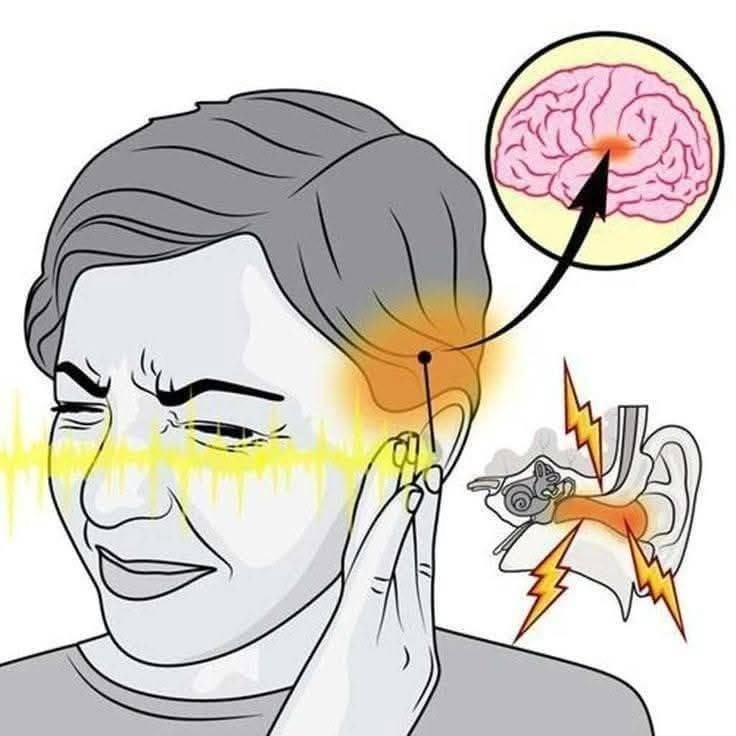
Your ears may appear to be creating the noise, but tinnitus—the medical term for hearing sounds without an external source—is often connected to the way your hearing system and brain process signals.
In many cases, the ringing is your body’s way of showing that something has changed, whether it involves hearing, circulation, stress levels, medication effects, or another health factor.
This article explains what causes ringing in the ear, what your body may be communicating, which signs deserve attention, and what can help.
What Is Ringing in the Ear?
Ringing in the ear is commonly called tinnitus.
Although many people describe it as ringing, it can sound different for everyone.
Some people hear:
- Buzzing
- Hissing
- Clicking
- Whistling
- Static
- Pulsing sounds
- A low humming tone
Tinnitus can occur:
- In one ear
- In both ears
- Occasionally
- Constantly
It is not a disease by itself. Instead, it is usually a symptom linked to changes somewhere in the auditory system.
The Hidden Explanation: Your Brain May Be Creating the Sound
One of the most interesting discoveries about tinnitus is that the problem is not always located only in the ear.
Your hearing system works like a communication network:
- Sound waves enter the ear.
- The inner ear converts vibrations into electrical signals.
- The auditory nerve sends information to the brain.
- The brain interprets those signals as sound.
If the ear sends fewer signals than usual—for example, because of hearing damage—the brain may try to compensate.
Scientists believe this increased sensitivity in the brain’s hearing pathways can sometimes create the perception of sound that is not actually present.
In simple terms:
When the brain notices missing or reduced sound information, it may turn up the volume on its own internal activity.
That internal activity can be experienced as ringing.
Common Reasons Your Ears May Ring
1. Exposure to Loud Noise
One of the most common triggers is loud sound exposure.
Examples include:
- Concerts
- Fireworks
- Construction noise
- Power tools
- Loud headphones
- Machinery
Inside the inner ear are tiny sensory cells called hair cells. These cells help convert sound vibrations into signals for the brain.
Excessive noise can damage these delicate structures.
Unlike many body cells, damaged inner-ear hair cells generally do not regenerate.
2. Age-Related Hearing Changes
As people get older, gradual changes in hearing become more common.
The inner ear and auditory pathways may become less efficient, which can contribute to tinnitus.
Age-related hearing changes often occur slowly, so some people notice the ringing before they recognise that their hearing has changed.
3. Earwax Build-Up
A blocked ear caused by excessive earwax can sometimes trigger ringing.
When earwax blocks sound from reaching the eardrum properly, the brain may interpret the altered sound input in unusual ways.
Signs of earwax blockage may include:
- Reduced hearing
- Feeling of fullness in the ear
- Ear discomfort
- Ringing
A healthcare professional can safely remove excessive earwax if needed.
4. Stress and Anxiety
Stress does not always cause tinnitus, but it can make it more noticeable.
When your body is under stress:
- Muscle tension increases.
- Sleep quality may decrease.
- The brain becomes more alert to sensations.
A sound that was previously easy to ignore may suddenly become difficult to tune out.
This creates a cycle:
Tinnitus → Stress → More attention to tinnitus → Tinnitus feels louder
Breaking this cycle is an important part of managing symptoms.
5. Medication Effects
Certain medicines can affect hearing pathways and may contribute to tinnitus in some people.
Examples of medications that have been associated with tinnitus include:
- Some high-dose pain relievers
- Certain antibiotics
- Some cancer treatments
- Some medicines affecting fluid balance
Never stop prescribed medication without speaking with a healthcare professional.
If ringing begins after starting a new medicine, discuss it with your doctor or pharmacist.
6. Jaw and Muscle Problems
The ear is closely connected with nearby structures, including the jaw joint.
Problems such as:
- Teeth grinding
- Jaw clenching
- Temporomandibular joint (TMJ) issues
may influence tinnitus symptoms in some people.
Some people notice their ringing changes when they:
- Move their jaw
- Clench their teeth
- Turn their neck
This suggests that muscles and nerves outside the ear can sometimes affect the experience.
Different Types of Tinnitus
Subjective Tinnitus
This is the most common type.
Only the person experiencing it can hear the sound.
It is usually linked to changes in the hearing system.
Objective Tinnitus
This is rare.
In some cases, a doctor may be able to detect the sound using specialised equipment.
It can sometimes be related to:
- Blood flow changes
- Muscle movements
- Structural issues
Pulsing Ringing: When the Sound Matches Your Heartbeat
Some people experience a rhythmic sound that matches their pulse.
This is called pulsatile tinnitus.
It can sometimes be linked to blood flow changes near the ear.
Because pulsatile tinnitus may occasionally be associated with underlying medical conditions, it is worth discussing with a healthcare professional, especially if it is new or persistent.
When Should You Be Concerned?
Most tinnitus is not dangerous, but certain symptoms deserve medical attention.
Seek advice if you experience:
- Sudden hearing loss
- Ringing in only one ear that persists
- Pulsing sounds matching your heartbeat
- Severe dizziness
- Ear pain or discharge
- Neurological symptoms
- Tinnitus after a head injury
Sudden hearing changes should be assessed promptly because early treatment can matter.
How Doctors Evaluate Ringing in the Ear
A healthcare professional may ask about:
- When the ringing started
- Whether it affects one or both ears
- Sound type and severity
- Noise exposure history
- Medications
- Hearing changes
- Other symptoms
Possible assessments include:
- Hearing tests
- Ear examination
- Review of medical history
- Additional testing when necessary
The goal is not only to identify tinnitus but also to understand what may be causing it.
What Can Help Reduce Tinnitus?
There is currently no universal cure that removes all tinnitus for everyone.
However, many people learn to reduce its impact.
Sound Therapy
Background sounds can make tinnitus less noticeable.
Examples:
- White noise machines
- Nature sounds
- Soft music
- Fans
The goal is not necessarily to erase the sound but to reduce the brain’s focus on it.
Protect Your Hearing
Helpful habits include:
- Wearing hearing protection around loud noise.
- Keeping headphone volume at safe levels.
- Taking breaks from loud environments.
Avoiding future hearing damage can prevent worsening symptoms.
Manage Stress and Sleep
Poor sleep and stress can increase awareness of tinnitus.
Helpful strategies include:
- Regular sleep schedules
- Relaxation techniques
- Physical activity
- Reducing excessive caffeine if it worsens symptoms
Hearing Aids
For people with hearing loss and tinnitus, hearing aids may help by increasing external sound and reducing the contrast between silence and internal noise.
Common Myths About Ear Ringing
Myth: Ringing Means Someone Is Talking About You
This is a popular saying in some cultures, but there is no scientific evidence behind it.
Myth: Tinnitus Always Means You Are Losing Your Hearing
Not always. Some people experience tinnitus with normal hearing.
Myth: Nothing Can Be Done
While there is no single guaranteed cure, many treatments and coping strategies can significantly reduce the impact.
Mini Case Scenario
David noticed a constant high-pitched sound after attending a loud concert without hearing protection.
At first, he ignored it, hoping it would disappear. Weeks later, the ringing was still present and affecting his sleep.
A hearing evaluation showed mild hearing changes. With sound therapy, better sleep habits, and hearing protection during noisy activities, David found the tinnitus became much less noticeable.
The goal was not to “fight” the sound but to help his brain stop treating it as an important signal.
Expert Insights
- Tinnitus is often a problem of the entire hearing system, not just the ear.
- The brain plays a major role in how noticeable tinnitus becomes.
- Protecting hearing early is one of the best prevention strategies.
- Stress management can influence how strongly tinnitus affects daily life.
- A sudden change in symptoms deserves attention rather than being ignored.
Frequently Asked Questions
Why do my ears ring when everything is quiet?
Quiet environments make internal sounds easier for the brain to notice because there is less outside noise competing with them.
Can tinnitus go away naturally?
Yes, temporary tinnitus can disappear, especially after short-term noise exposure. Persistent tinnitus may require management.
Is tinnitus a sign of a brain problem?
Usually not. Most cases are related to hearing pathways, but unusual symptoms should be evaluated.
Can headphones cause ringing in the ears?
Yes. Listening at high volumes for long periods can damage hearing structures and contribute to tinnitus.
Does stress make tinnitus worse?
Stress can increase awareness and discomfort, even if it is not the original cause.
Can earwax cause ringing?
Yes. Excessive earwax blockage can sometimes contribute to tinnitus.
Is there a medicine that cures tinnitus?
Currently, there is no medication that reliably cures all tinnitus cases.
Should I ignore ringing in one ear?
Persistent one-sided tinnitus should be discussed with a healthcare professional.
Quick Action Checklist
Do:
✔ Protect your ears from loud sounds.
✔ Get hearing checked if symptoms persist.
✔ Manage stress and improve sleep.
✔ Review medications with a healthcare professional.
✔ Seek help for sudden hearing changes.
Avoid:
✘ Listening to very loud music for long periods.
✘ Ignoring sudden changes in hearing.
✘ Using unproven “miracle cures.”
✘ Stopping prescribed medication without advice.
Conclusion
Ringing in the ear can feel mysterious, but it is often your body revealing changes within the complex connection between your ears and brain.
Sometimes it is a temporary reaction to noise. Sometimes it reflects hearing changes, stress, medication effects, or another underlying factor.
The most important step is understanding that tinnitus is a symptom—not a diagnosis. Paying attention to when it happens, what makes it worse, and whether other symptoms appear can help you find the right approach.
With proper evaluation, healthy hearing habits, and the right management strategies, many people are able to reduce the impact of tinnitus and regain a sense of control.
Ringing in the ear is often your nervous system’s way of signalling a change in hearing or sound processing. It is usually manageable, but persistent or unusual symptoms should be checked.
Medical Disclaimer: This article is for educational purposes only and is not a substitute for professional medical advice, diagnosis, or treatment. Consult a qualified healthcare professional for persistent or concerning symptoms.