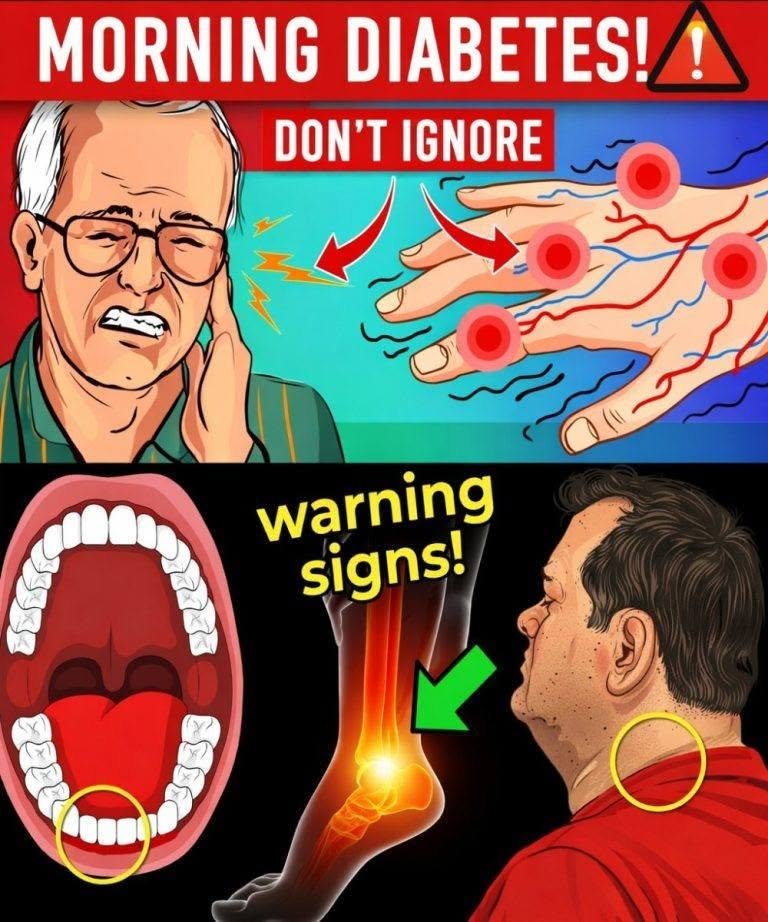
7 Dangerous Morning Signs Your Blood Sugar May Be Out of Control
Waking up with unusual symptoms? Discover seven morning signs that may indicate poorly controlled blood sugar, why they happen, and when to seek medical advice.
You wake up after what should have been a full night’s sleep—but something doesn’t feel right.
Your mouth is unusually dry. Your vision seems blurry. You’re exhausted before the day even begins, or you find yourself rushing to the bathroom moments after getting out of bed.
While these symptoms can have many causes, they may also be early warning signs that your blood sugar isn’t as well controlled as it should be.
Blood sugar levels often fluctuate overnight due to hormones, medications, diet, and underlying health conditions. For people with diabetes or prediabetes, the morning can reveal clues about how well the body has managed glucose during the night.
Here are seven morning signs you shouldn’t ignore.
Why Morning Blood Sugar Matters
During the early morning hours, your body naturally releases hormones such as cortisol and growth hormone to prepare you for waking up. These hormones can cause the liver to release stored glucose into the bloodstream.
In healthy individuals, insulin keeps this rise in check. However, if insulin isn’t working effectively—or the body doesn’t produce enough—blood sugar can remain elevated.
Consistently high morning blood sugar increases the risk of complications affecting the heart, kidneys, eyes, nerves, and blood vessels over time.
1. You Wake Up Extremely Thirsty
One of the earliest signs of high blood sugar is excessive thirst.
When glucose levels become too high, your kidneys work harder to remove the excess sugar through urine. This causes your body to lose more water than usual, leaving you dehydrated.
You may notice:
- A dry mouth
- Cracked lips
- A constant need to drink water
- Feeling thirsty even after drinking
Occasional thirst isn’t necessarily a concern, but persistent morning thirst deserves attention.
2. Frequent Morning Urination
If you find yourself heading to the bathroom immediately after waking—or several times during the night—it could be related to elevated blood sugar.
Excess glucose pulls water into the urine, increasing urine production.
Over time, this cycle can contribute to dehydration and disrupt your sleep.
3. Blurred Vision
High blood sugar can temporarily affect the shape of the eye’s lens by drawing fluid into surrounding tissues.
This may cause:
- Blurry vision
- Difficulty focusing
- Fluctuating eyesight throughout the day
Although vision often improves once blood sugar is better controlled, sudden or persistent changes should always be evaluated by an eye care professional or healthcare provider.
4. Morning Fatigue Despite Sleeping Well
You spent eight hours in bed, yet you feel completely drained.
High blood sugar can make it harder for your body’s cells to use glucose efficiently for energy. As a result, you may wake up feeling tired even after a full night’s sleep.
Poor sleep caused by frequent urination or untreated sleep disorders can also contribute to morning fatigue.
5. Persistent Headaches
Morning headaches may have many causes, including dehydration, poor sleep, high blood pressure, or blood sugar changes.
When blood sugar remains elevated for extended periods, dehydration and shifts in body chemistry can contribute to headaches.
If headaches occur frequently alongside other symptoms of high blood sugar, it’s worth discussing them with your healthcare provider.
6. Tingling or Numbness in Your Hands or Feet
Long-term high blood sugar can damage nerves, a condition known as diabetic neuropathy.
Early symptoms often include:
- Tingling
- Burning sensations
- Numbness
- Pins and needles
These sensations may be more noticeable first thing in the morning after remaining in one position overnight.
7. Slow-Healing Cuts or Skin Problems
Have you noticed a small cut that seems to linger for weeks?
Poorly controlled blood sugar can affect circulation and the body’s ability to fight infection, slowing the healing process.
You may also experience:
- Dry skin
- Itching
- Frequent skin infections
- Cuts that heal slowly
These signs should not be ignored, particularly if they occur alongside other symptoms.
What Causes High Morning Blood Sugar?
Several factors can contribute to elevated blood sugar after waking.
The Dawn Phenomenon
In the early morning, hormones naturally increase glucose production to prepare your body for the day. People with diabetes may not produce enough insulin to compensate.
Evening Meals
Large portions, sugary snacks, or high-carbohydrate meals close to bedtime can contribute to higher morning readings in some people.
Medication Issues
Missing medication doses or needing adjustments to diabetes treatment may affect overnight glucose control. Never change your medication without speaking to your healthcare provider.
Stress and Illness
Physical or emotional stress can raise blood sugar by triggering the release of stress hormones.
How to Support Healthy Morning Blood Sugar
Lifestyle habits can make a meaningful difference, though the right approach depends on your individual health needs.
Consider these strategies:
- Monitor your blood sugar as recommended by your healthcare provider.
- Follow your prescribed diabetes treatment plan.
- Choose balanced evening meals with appropriate portions.
- Stay physically active most days of the week.
- Aim for consistent, quality sleep.
- Stay hydrated throughout the day.
- Attend regular medical check-ups.
If you’re concerned about your blood sugar, your healthcare provider may recommend home monitoring, laboratory tests, or adjustments to your treatment plan.
Comparison: Normal vs. Possible High Blood Sugar Symptoms
| Morning Experience | May Be Normal | May Suggest High Blood Sugar |
|---|---|---|
| Mild thirst | Occasionally | Persistent, excessive thirst |
| Bathroom visits | Once if needed | Frequent overnight or morning urination |
| Energy | Refreshed | Ongoing fatigue despite sleep |
| Vision | Clear | Blurred or fluctuating vision |
| Skin | Normal healing | Slow-healing cuts or frequent infections |
| Nerve sensations | None | Tingling or numbness |
These symptoms are not specific to diabetes and can have other causes, so they should be evaluated in the context of your overall health.
Common Mistakes to Avoid
Ignoring Early Symptoms
Small changes can become bigger problems if left unaddressed.
Skipping Blood Sugar Monitoring
If your healthcare provider has recommended monitoring, consistent tracking can help identify patterns.
Self-Adjusting Medication
Never increase, decrease, or stop diabetes medication without professional guidance.
Assuming Symptoms Are Just Ageing
Fatigue, blurred vision, or frequent urination are not simply “normal ageing” and should be discussed with a healthcare provider if persistent.
A Real-Life Scenario
Maria, 59, noticed she was waking up thirsty almost every morning. She also found herself getting up twice a night to use the bathroom and felt unusually tired despite sleeping for seven hours.
Rather than dismissing the symptoms as part of getting older, she booked an appointment with her doctor. After an evaluation, she learned her blood sugar levels were higher than expected. With dietary changes, regular physical activity, and a personalised treatment plan, her symptoms gradually improved.
Her experience highlights the importance of recognising patterns and seeking medical advice early.
Frequently Asked Questions
1. Can high blood sugar make you feel tired in the morning?
Yes. When blood sugar is elevated, your body’s cells may not use glucose efficiently, contributing to fatigue.
2. Is waking up thirsty always a sign of diabetes?
No. Dehydration, certain medications, dry indoor air, and other medical conditions can also cause thirst.
3. Why is my blood sugar higher in the morning than at night?
The dawn phenomenon, evening eating habits, illness, stress, or medication-related factors may contribute.
4. Should I check my blood sugar first thing in the morning?
If you’ve been advised to monitor your blood sugar, fasting readings taken before eating or drinking can provide useful information.
5. Can stress affect blood sugar overnight?
Yes. Stress hormones can increase glucose production in the liver.
6. What foods may help support stable blood sugar?
Balanced meals containing fibre, lean protein, healthy fats, and whole grains may help. Individual dietary needs vary, so consult your healthcare provider or a registered dietitian.
7. When should I see a doctor?
If you experience persistent symptoms such as excessive thirst, frequent urination, blurred vision, unexplained fatigue, or consistently high blood sugar readings, arrange a medical evaluation promptly.
8. Can prediabetes cause morning symptoms?
It can. Some people with prediabetes experience mild symptoms, while others have none at all.
Quick Action Checklist
✔ Do
- Monitor symptoms over time.
- Stay hydrated.
- Follow your prescribed treatment plan.
- Eat balanced meals.
- Stay physically active.
- Keep regular medical appointments.
- Seek advice if symptoms persist.
✘ Avoid
- Ignoring recurring warning signs.
- Skipping medication.
- Making medication changes without medical advice.
- Assuming symptoms will disappear on their own.
- Delaying professional evaluation if symptoms worsen.
Final Thoughts
Your body often gives subtle clues when something isn’t quite right. Persistent thirst, frequent urination, blurred vision, morning fatigue, headaches, tingling sensations, and slow-healing wounds can all be signs that your blood sugar needs attention.
These symptoms don’t automatically mean you have diabetes, but they do warrant a conversation with a healthcare professional—especially if they occur together or become more frequent.
Early recognition and appropriate management can make a significant difference in protecting your long-term health.
Don’t ignore what your mornings are telling you. If these warning signs become a regular part of your day, speak with your healthcare provider for an accurate diagnosis and personalised treatment plan.