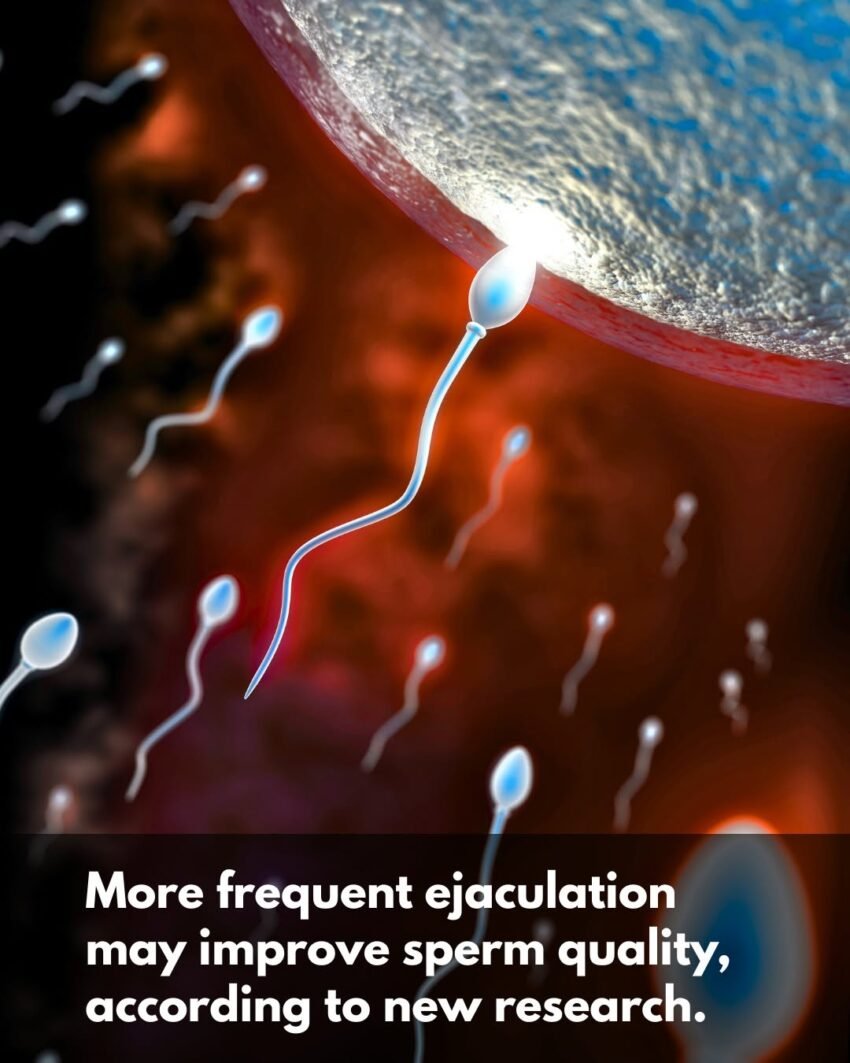
Improve Sperm Quality: Why Frequent Ejaculation May Be Healthier Than You Think
Discover how frequent ejaculation may support sperm quality, prostate health, and fertility. Learn what science says, common myths, practical tips, and when to see a doctor.
For years, many people have believed that saving up sperm for days—or even weeks—automatically improves fertility. It’s a common assumption, but modern research paints a much more nuanced picture.
In fact, regular ejaculation may actually help maintain healthier sperm by reducing the amount of time sperm spend exposed to oxidative stress inside the reproductive tract. That doesn’t mean “more is always better,” but it does suggest that frequent ejaculation isn’t harmful for most healthy men—and in some situations, it may even be beneficial.
If you’re trying to conceive, looking to improve reproductive health, or simply curious about what the science says, this guide breaks down the evidence in a practical, easy-to-understand way.
By the end, you’ll know:
- Whether frequent ejaculation affects sperm quality
- How often is considered “normal”
- The connection between ejaculation and fertility
- Lifestyle habits that matter far more than abstinence
- Common myths that continue to circulate online
Understanding Sperm Quality
Before discussing ejaculation frequency, it’s important to understand what doctors mean by sperm quality.
Healthy sperm isn’t determined by just one factor. Fertility specialists typically evaluate:
- Sperm count – how many sperm are present
- Motility – how well sperm swim
- Morphology – the shape and structure of sperm
- DNA integrity – whether genetic material is intact
- Semen volume
A high sperm count alone doesn’t guarantee fertility. Poor movement or damaged DNA can reduce the chances of successful conception even when sperm numbers appear normal.
Why Does Ejaculation Frequency Matter?
Your body continuously produces new sperm.
Sperm are created inside the testes and mature over several weeks before being stored in the epididymis. If they remain stored for extended periods without ejaculation, older sperm may accumulate more oxidative damage.
Oxidative stress occurs when unstable molecules called free radicals damage cells—including sperm DNA.
Regular ejaculation helps remove older sperm, making room for newer sperm that may have better DNA integrity.
What Research Says
Several scientific studies have found that shorter abstinence periods may improve certain aspects of sperm quality.
Researchers have observed that:
- DNA fragmentation may decrease with more frequent ejaculation.
- Sperm motility can improve after shorter abstinence.
- Older sperm are more likely to accumulate cellular damage.
- Men with fertility challenges may benefit from avoiding prolonged abstinence before attempting conception.
However, there is a balance.
Very frequent ejaculation—multiple times daily over long periods—may temporarily reduce sperm count simply because the body hasn’t had enough time to replenish semen volume.
For most healthy men, this temporary reduction isn’t considered harmful.
Is Daily Ejaculation Safe?
For the vast majority of healthy adult men, yes.
Daily ejaculation generally does not:
- Lower testosterone
- Cause infertility
- Permanently reduce sperm count
- Make the body “run out” of sperm
Your body continuously produces millions of sperm every day.
Temporary fluctuations in semen volume are normal and usually recover quickly.
Can Frequent Ejaculation Improve Fertility?
It depends on the situation.
If sperm DNA damage is an issue, frequent ejaculation may actually improve the quality of sperm used during conception attempts.
Many fertility specialists recommend avoiding very long periods of abstinence.
For couples trying to conceive, having intercourse every one to two days during the fertile window is often recommended because it balances sperm availability with freshness.
Waiting a full week simply to “save sperm” usually offers little benefit.
Common Myths About Frequent Ejaculation
Myth 1: Saving Sperm Always Makes It Stronger
Not necessarily.
Long abstinence may increase sperm count but can also increase the proportion of older sperm with DNA damage.
Myth 2: Daily Ejaculation Causes Infertility
There is no good evidence supporting this claim.
Healthy men continue producing sperm throughout adulthood.
Myth 3: Ejaculation Lowers Testosterone
Research has consistently shown that ejaculation does not cause a meaningful long-term reduction in testosterone levels.
Myth 4: Less Sex Means Better Fertility
Quality matters more than simply storing sperm.
Healthy lifestyle habits have a much larger impact than prolonged abstinence.
Other Factors That Affect Sperm More Than Ejaculation Frequency
Even perfect timing won’t overcome unhealthy lifestyle habits.
Some of the biggest influences include:
Smoking
Smoking damages sperm DNA and reduces motility.
Heavy Alcohol Use
Excessive drinking may lower testosterone and impair sperm production.
Obesity
Higher body fat is associated with hormonal changes that may affect fertility.
Poor Diet
A diet lacking fruits, vegetables, healthy fats, and antioxidants can contribute to oxidative stress.
Chronic Stress
Long-term stress may interfere with hormone production and sexual health.
Lack of Sleep
Quality sleep supports healthy testosterone production and overall reproductive function.
Heat Exposure
Frequent hot tubs, saunas, or prolonged laptop use directly on the lap may temporarily reduce sperm production.
Foods That Support Healthy Sperm
A balanced diet plays a significant role in reproductive health.
Foods commonly associated with better sperm health include:
- Salmon
- Sardines
- Walnuts
- Almonds
- Spinach
- Kale
- Citrus fruits
- Berries
- Pumpkin seeds
- Eggs
- Greek yogurt
- Tomatoes
- Avocados
- Whole grains
Key nutrients include:
- Zinc
- Selenium
- Vitamin C
- Vitamin E
- Folate
- Omega-3 fatty acids
- Coenzyme Q10
Lifestyle Habits That Can Help
Simple daily habits often have a greater impact than any supplement.
Try to:
- Exercise regularly.
- Maintain a healthy weight.
- Sleep 7–9 hours each night.
- Eat a nutrient-rich diet.
- Limit alcohol.
- Avoid tobacco and recreational drugs.
- Manage stress through exercise, mindfulness, or hobbies.
- Stay hydrated.
Does Age Matter?
Yes.
Although men remain fertile much longer than women, sperm quality generally declines with age.
After about age 40, the risk of reduced motility, increased DNA fragmentation, and genetic abnormalities gradually rises.
Healthy habits become even more important as men get older.
How Often Should You Ejaculate for Fertility?
There isn’t a single “perfect” number that applies to every man. Age, overall health, hormone levels, and fertility goals all play a role.
Here’s what current evidence generally suggests:
| Goal | Suggested Frequency |
|---|---|
| General reproductive health | Every 1–3 days |
| Trying to conceive | Every 1–2 days during the fertile window |
| Semen analysis (follow your lab’s instructions) | Usually 2–7 days of abstinence |
| No fertility concerns | Whatever is comfortable and healthy for you |
The most important takeaway is that consistency is usually more beneficial than prolonged abstinence.
A Step-by-Step Plan to Support Better Sperm Quality
If you’re hoping to improve fertility, focus on habits that have been shown to make a real difference.
Step 1: Eat a Nutrient-Dense Diet
Build meals around:
- Fresh fruits
- Vegetables
- Whole grains
- Lean protein
- Fish rich in omega-3s
- Nuts and seeds
Limit highly processed foods, sugary drinks, and excessive saturated fats.
Step 2: Exercise Regularly
Aim for at least 150 minutes of moderate exercise each week.
Walking, cycling, swimming, and strength training are all excellent options.
Avoid overtraining, which may negatively affect hormone balance in some men.
Step 3: Maintain a Healthy Weight
Excess body fat can alter hormone levels and reduce sperm quality.
Even modest weight loss can improve reproductive health for some individuals.
Step 4: Prioritize Sleep
Sleep is when your body regulates many hormones involved in reproduction.
Try to get 7–9 hours of quality sleep every night.
Step 5: Avoid Tobacco and Recreational Drugs
Smoking has been linked to lower sperm count, poorer motility, and increased DNA damage.
Cannabis and anabolic steroids may also impair fertility.
Step 6: Limit Alcohol
An occasional drink is unlikely to have a major effect, but heavy or chronic alcohol use can interfere with hormone production and sperm development.
Step 7: Manage Stress
Long-term stress doesn’t just affect mental health—it can also influence hormones related to reproduction.
Helpful stress-management strategies include:
- Meditation
- Deep breathing
- Yoga
- Regular exercise
- Spending time outdoors
- Talking with a trusted friend or therapist
A Real-Life Scenario
Imagine David, a 33-year-old software engineer and his wife trying to conceive their first child.
David had read online that abstaining from ejaculation for a week would “build stronger sperm.” After several months without success, they visited a fertility specialist.
His semen analysis showed a healthy sperm count but elevated DNA fragmentation. The specialist recommended more regular ejaculation, along with lifestyle changes such as improving his diet, exercising consistently, sleeping more, and quitting smoking.
Three months later—about one full sperm production cycle—his follow-up results showed improved sperm quality. While every person’s situation is unique, his experience illustrates that fertility is influenced by a combination of factors rather than one habit alone.
Pros and Cons of Frequent Ejaculation
| Pros | Cons |
|---|---|
| May reduce the accumulation of older sperm | Very frequent ejaculation can temporarily reduce semen volume |
| May lower sperm DNA fragmentation in some men | Individual results vary |
| May support prostate health | Doesn’t replace healthy lifestyle habits |
| Can reduce stress and improve mood | Not a guaranteed fertility treatment |
| Helps maintain regular sexual function | May not be appropriate if a healthcare provider advises abstinence for testing |
Common Mistakes That Can Hurt Sperm Quality
Waiting Too Long Between Ejaculations
Long abstinence isn’t always beneficial and may increase oxidative stress in stored sperm.
Better approach: Maintain a regular ejaculation pattern unless advised otherwise by your healthcare provider.
Ignoring Lifestyle Habits
No supplement or timing strategy can fully compensate for smoking, poor nutrition, or chronic sleep deprivation.
Depending on Supplements Alone
Some supplements may be helpful for certain individuals, but they are not a substitute for a healthy lifestyle or medical evaluation.
Delaying Medical Care
If you’ve been trying to conceive for:
- 12 months (if the female partner is under 35), or
- 6 months (if the female partner is 35 or older),
it’s a good idea for both partners to seek a fertility evaluation.
Expert Insights
Fertility specialists increasingly recognize that sperm DNA quality is just as important as sperm count.
This shift has changed how many clinicians advise couples trying to conceive. Instead of recommending long periods of abstinence, many now encourage regular ejaculation during the fertile window to optimize the quality of available sperm.
Experts also emphasize that fertility should be viewed as a couple’s health issue rather than focusing on only one partner.
2026 Trends in Male Fertility
Research into male reproductive health continues to expand.
Current areas of interest include:
- Home semen testing devices that connect to smartphone apps
- Artificial intelligence-assisted semen analysis
- Better understanding of oxidative stress and sperm DNA health
- Personalized fertility recommendations based on lifestyle and medical history
- Increased awareness of environmental factors such as air pollution and endocrine-disrupting chemicals
As science advances, recommendations are becoming more individualized rather than relying on one-size-fits-all advice.
Frequently Asked Questions
1. Does daily ejaculation lower sperm count?
Daily ejaculation may temporarily reduce semen volume or sperm concentration, but it does not permanently reduce sperm production in healthy men.
2. Is abstaining for a week better for fertility?
Not necessarily. While sperm count may increase, prolonged abstinence can also increase the proportion of older sperm with DNA damage.
3. Can frequent ejaculation improve sperm quality?
For some men, especially those with increased sperm DNA fragmentation, more frequent ejaculation may improve certain measures of sperm quality.
4. Does masturbation affect fertility?
For most healthy men, masturbation does not cause infertility. Overall health and sperm quality are far more important.
5. How long does it take to improve sperm health?
Sperm take about 70–90 days to develop. Healthy lifestyle changes may begin to influence sperm quality after one full production cycle.
6. What foods are best for sperm?
Foods rich in antioxidants, zinc, selenium, vitamin C, vitamin E, and omega-3 fatty acids—such as berries, leafy greens, fish, nuts, and seeds—can support reproductive health.
7. Can stress reduce sperm quality?
Yes. Chronic stress may affect hormone production, sexual function, and overall reproductive health.
8. Should I take fertility supplements?
Some men may benefit from supplements, but it’s best to speak with a healthcare professional before starting them, especially if you have fertility concerns.
9. Does age affect male fertility?
Yes. Sperm quality generally declines gradually with age, particularly after 40, although many men remain fertile later in life.
10. When should I see a doctor?
If you and your partner have been trying to conceive without success for the recommended time frames, or if you have concerns about sexual or reproductive health, consult a healthcare provider or fertility specialist.
Action Checklist
✅ Do
- Ejaculate regularly unless advised otherwise
- Eat a balanced, antioxidant-rich diet
- Exercise consistently
- Sleep 7–9 hours each night
- Maintain a healthy weight
- Stay hydrated
- Reduce stress
- Avoid smoking
- Limit alcohol
- Seek medical advice if fertility concerns persist
❌ Avoid
- Believing myths about “saving sperm”
- Smoking or using recreational drugs
- Excessive alcohol consumption
- Chronic sleep deprivation
- Overheating the testicles with frequent hot tubs or prolonged heat exposure
- Relying solely on supplements without addressing lifestyle factors
Conclusion
When it comes to sperm quality, there is no magic trick or shortcut. While frequent ejaculation may help reduce the buildup of older sperm and support healthier sperm DNA in some men, it is only one piece of the fertility puzzle.
Your daily habits—nutrition, exercise, sleep, stress management, avoiding tobacco, and maintaining a healthy weight—have a much greater impact on long-term reproductive health. If you’re trying to conceive, regular intercourse every one to two days during the fertile window is generally more effective than prolonged abstinence.
Remember that fertility is highly individual. What works for one person may not be appropriate for another, especially if there are underlying medical conditions. If you have concerns about fertility or reproductive health, don’t hesitate to consult a qualified healthcare professional for personalized guidance.
Regular ejaculation is generally healthy for most men and may benefit sperm quality in certain situations, but lasting fertility improvements come from a healthy lifestyle and evidence-based medical care—not myths or extreme practices.
If you found this article helpful, leave a comment with your questions, share it with someone who might benefit, and explore our other evidence-based health guides for more practical tips on men’s wellness and fertility.