The Telltale Symptoms of a Thyroid Disorder: 12 Warning Signs You Shouldn’t Ignore
Learn the most common symptoms of thyroid disorders, including hypothyroidism and hyperthyroidism. Discover warning signs, causes, diagnosis, treatment, and when to see a doctor.
Introduction
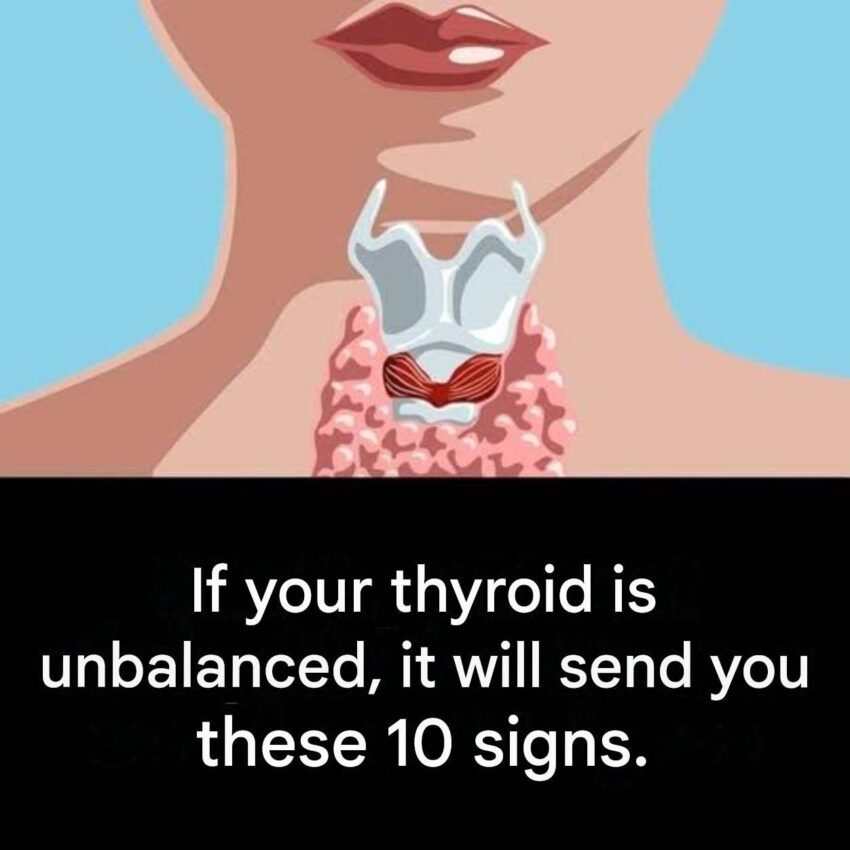
Your thyroid may be small, but it has a huge impact on your overall health. This butterfly-shaped gland, located at the front of your neck, produces hormones that regulate your metabolism, heart rate, body temperature, energy levels, and more.
When your thyroid isn’t working properly, the symptoms can be subtle at first. Many people dismiss them as stress, aging, or a busy lifestyle. Over time, however, an untreated thyroid disorder can affect nearly every organ in the body.
Recognizing the warning signs early can help you seek treatment before complications develop. Here’s what you need to know.
What Is a Thyroid Disorder?
A thyroid disorder occurs when the thyroid gland produces either too little hormone (hypothyroidism) or too much hormone (hyperthyroidism).
- Hypothyroidism slows many of your body’s processes.
- Hyperthyroidism speeds them up.
Both conditions are common and can often be managed successfully with proper medical care.
12 Telltale Symptoms of a Thyroid Disorder
1. Persistent Fatigue
Feeling exhausted despite getting enough sleep is one of the most common signs of hypothyroidism. On the other hand, hyperthyroidism can make it difficult to sleep, leaving you tired during the day.
2. Unexplained Weight Changes
Unexpected weight gain may indicate an underactive thyroid, while unexplained weight loss despite eating normally can be a sign of an overactive thyroid.
3. Changes in Heart Rate
An underactive thyroid may slow your heart rate, whereas an overactive thyroid can cause a rapid heartbeat, palpitations, or irregular rhythms.
4. Sensitivity to Temperature
People with hypothyroidism often feel unusually cold, while those with hyperthyroidism may feel excessively warm and sweat more than usual.
5. Mood Changes
Depression, low motivation, and brain fog are commonly associated with hypothyroidism. Anxiety, nervousness, irritability, and restlessness are more common in hyperthyroidism.
6. Hair Thinning and Dry Skin
Dry, rough skin and thinning hair may develop when thyroid hormone levels are too low. Hair may also become fine and fragile in hyperthyroidism.
7. Changes in Bowel Habits
Constipation is a frequent symptom of hypothyroidism, while frequent bowel movements or diarrhea may occur with hyperthyroidism.
8. Swelling in the Neck
An enlarged thyroid gland, known as a goiter, can cause visible swelling or a feeling of fullness in the neck.
9. Muscle Weakness and Joint Pain
Muscle aches, cramps, stiffness, and weakness can occur with both underactive and overactive thyroid conditions.
10. Menstrual Changes
Women may notice heavier or irregular periods with hypothyroidism, while hyperthyroidism may cause lighter or less frequent menstrual cycles.
11. Difficulty Concentrating
Memory problems, slower thinking, and trouble focusing—often described as “brain fog”—are common in hypothyroidism.
12. Tremors and Shaky Hands
Fine trembling of the hands is a classic symptom of hyperthyroidism and may be accompanied by increased nervousness.
Common Causes
Several conditions can affect thyroid function, including:
- Autoimmune diseases such as Hashimoto’s thyroiditis and Graves’ disease
- Iodine deficiency or excess
- Certain medications
- Thyroid inflammation (thyroiditis)
- Thyroid nodules
- Previous thyroid surgery or radiation therapy
How Thyroid Disorders Are Diagnosed
If your healthcare provider suspects a thyroid disorder, they may recommend:
- Blood tests for TSH, Free T4, and sometimes Free T3
- Thyroid antibody tests
- Thyroid ultrasound
- Radioactive iodine uptake scan (in selected cases)
These tests help determine both the type and cause of the thyroid problem.
Treatment Options
Treatment depends on the underlying condition.
For hypothyroidism, thyroid hormone replacement medication is commonly prescribed.
For hyperthyroidism, treatment may include medications that reduce hormone production, radioactive iodine therapy, or surgery in some cases.
Your healthcare provider will recommend the most appropriate approach based on your diagnosis and overall health.
When Should You See a Doctor?
Schedule a medical evaluation if you experience:
- Persistent fatigue
- Sudden weight changes
- Heart palpitations
- Neck swelling
- Ongoing constipation or diarrhea
- Unexplained anxiety or depression
- Hair loss with other thyroid symptoms
Early diagnosis often leads to better outcomes and can prevent complications.
Frequently Asked Questions
Can thyroid disorders go away on their own?
Some temporary thyroid conditions improve without treatment, but many require long-term medical management.
Are thyroid disorders common?
Yes. Thyroid disorders affect millions of people worldwide, and women are diagnosed more often than men.
Can stress cause thyroid disease?
Stress alone doesn’t typically cause thyroid disease, but it may worsen symptoms or contribute to flare-ups in susceptible individuals.
Can diet cure a thyroid disorder?
A healthy diet supports overall health, but it usually cannot cure thyroid disease. Treatment should follow your healthcare provider’s recommendations.
Conclusion
Thyroid disorders often develop gradually, making them easy to overlook. Persistent fatigue, unexplained weight changes, mood shifts, temperature sensitivity, and changes in your heart rate or skin should never be ignored.
The good news is that most thyroid conditions can be diagnosed with simple blood tests and managed effectively with appropriate treatment. If several of these symptoms sound familiar, speak with your healthcare provider rather than trying to self-diagnose.
Paying attention to the early signs of a thyroid disorder can lead to faster diagnosis, effective treatment, and better long-term health.