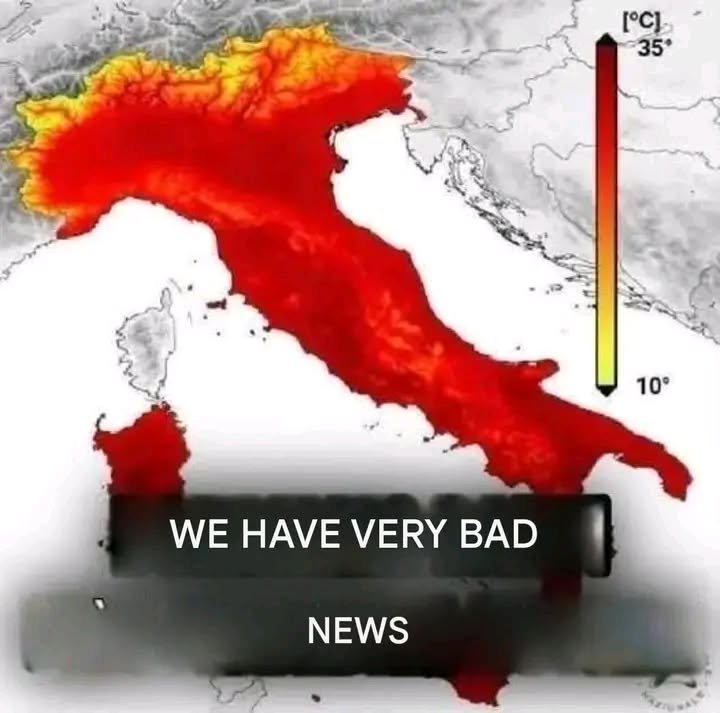
Weather, Bad News: The Climate Changes That Could Affect Your Health, Home, and Daily Life
Extreme weather is becoming more unpredictable. Learn how changing climate patterns affect health, safety, homes, and everyday decisions—and how to prepare.
Introduction
You check the weather expecting a simple answer: Should I take an umbrella? Do I need a jacket? Is it safe to travel today?
But increasingly, the forecast feels like more than a daily convenience. Record-breaking heat, unexpected storms, dangerous flooding, poor air quality, and rapidly changing conditions are turning weather into a serious concern for millions of people.
The bad news is that weather patterns are becoming harder to predict. The good news is that understanding these changes can help you prepare, protect your health, and make smarter decisions.
Weather has always influenced human life. Farmers depend on it. Travelers plan around it. Families adjust their routines because of it. But the growing frequency of extreme events has changed the relationship between people and the environment.
The question is no longer just, “What will the weather be tomorrow?”
It is becoming:
“How will changing weather affect the way we live?”
Why Weather Feels Different Today
Many people have noticed that seasons don’t always feel the way they used to.
Summers may feel hotter. Winters may arrive later. Rainfall patterns may seem unusual. Storms may appear stronger or less predictable.
Weather naturally changes from day to day and year to year. However, long-term climate patterns influence the frequency and intensity of certain events.
Scientists study these trends by analyzing:
- Temperature records
- Rainfall patterns
- Ocean conditions
- Storm activity
- Ice and snow changes
- Atmospheric conditions
These measurements help researchers understand whether recent weather events are part of normal variation or connected to broader climate trends.
Extreme Heat: The Growing Weather Challenge
Among all weather concerns, extreme heat has become one of the most significant.
A hot day may seem uncomfortable, but prolonged heat can create serious risks.
High temperatures can affect:
- Older adults
- Young children
- Outdoor workers
- People with heart or lung conditions
- Those without reliable cooling
Heat can contribute to dehydration, heat exhaustion, and heat-related illness.
Signs of Heat Stress
Watch for:
- Heavy sweating
- Dizziness
- Weakness
- Headache
- Nausea
- Confusion
- Rapid heartbeat
Simple precautions can reduce risk:
- Drink water regularly
- Avoid intense outdoor activity during peak afternoon heat
- Wear lightweight clothing
- Stay in shaded or cooled areas
- Check on vulnerable neighbors and relatives
Bad Weather and Mental Health
Weather affects more than physical safety.
Long periods of storms, darkness, extreme heat, or natural disasters can influence emotional well-being.
People experiencing repeated weather disruptions may feel:
- Stress
- Anxiety
- Frustration
- Sleep disruption
- Fear about future events
After severe storms or disasters, emotional recovery can take time. Losing property, experiencing displacement, or worrying about future events can create lasting stress.
Maintaining routines, staying connected with others, and seeking support when needed can help people cope.
Flooding: A Problem Beyond Heavy Rain
Flooding is one of the most damaging weather-related events.
Even areas that have not historically experienced floods may face new risks due to:
- Heavier rainfall events
- Changing drainage patterns
- Urban development
- Rising water levels
Flood damage can affect:
- Homes
- Vehicles
- Roads
- Businesses
- Public services
Preparing for Flood Risks
Homeowners and renters can take steps such as:
- Knowing local flood risks
- Keeping important documents protected
- Creating emergency supply kits
- Maintaining insurance coverage
- Understanding evacuation routes
Preparation before a disaster is often more effective than reacting during one.
Severe Storms and Changing Weather Patterns
Storms have always been part of Earth’s natural systems. However, communities are paying closer attention to changes in storm behavior.
Severe weather may involve:
- Strong winds
- Heavy rainfall
- Lightning
- Tornadoes
- Coastal storms
- Winter weather events
The best protection is awareness.
Reliable weather alerts, emergency plans, and preparation can significantly improve safety.
How Weather Affects Everyday Decisions
Weather influences choices that seem small but add up over time.
It affects:
Travel
Flights, road conditions, and public transportation can be disrupted by severe weather.
Energy Use
Extreme temperatures increase demand for heating and cooling.
Food Prices
Weather affects farming conditions, crop production, and supply chains.
Health Decisions
Air quality, temperature, and seasonal conditions influence outdoor activities.
Weather is not just something happening outside your window. It affects the systems people depend on every day.
Weather Risks for Older Adults
Older adults may be more vulnerable to extreme weather because the body becomes less efficient at regulating temperature with age.
Additional challenges may include:
- Reduced mobility
- Medication effects
- Difficulty recognizing dehydration
- Limited transportation options
- Living alone
Helpful safety steps include:
- Having emergency contacts available
- Keeping medications organized
- Planning transportation before severe weather
- Checking forecasts regularly
- Staying connected with family or friends
How Families Can Prepare for Changing Weather
Preparation does not need to be complicated.
A basic emergency plan should include:
Emergency Supplies
Keep:
- Water
- Non-perishable food
- Flashlights
- Batteries
- First-aid supplies
- Necessary medications
- Phone chargers
Communication Plan
Know:
- Who to contact
- Where to meet if separated
- How to receive emergency alerts
Home Safety
Consider:
- Checking smoke detectors
- Maintaining heating and cooling systems
- Removing dangerous outdoor hazards
- Reviewing insurance coverage
Small preparations can make a major difference.
Technology Is Changing How We Understand Weather
Weather forecasting has improved dramatically.
Modern tools include:
- Satellite monitoring
- Advanced computer models
- Artificial intelligence systems
- Real-time weather alerts
These technologies help meteorologists provide earlier warnings and better predictions.
However, forecasts are still predictions, not guarantees. Weather remains a complex natural system influenced by many variables.
The Future of Weather: What Comes Next?
The coming decades will likely bring continued challenges related to weather patterns.
Communities are focusing more on:
- Stronger infrastructure
- Better emergency planning
- Climate-resilient buildings
- Improved forecasting
- Public awareness
The goal is not to eliminate weather risks—something humans cannot do—but to become better prepared.
A Simple Weather Safety Checklist
Before Severe Weather
✅ Check forecasts regularly
✅ Charge electronic devices
✅ Prepare emergency supplies
✅ Secure outdoor objects
✅ Know local emergency procedures
During Severe Weather
✅ Follow official alerts
✅ Stay indoors when advised
✅ Avoid flooded roads
✅ Check on vulnerable family members
After Severe Weather
✅ Watch for hazards
✅ Avoid damaged electrical areas
✅ Document damage if needed
✅ Follow safety guidance from authorities
Frequently Asked Questions
Is extreme weather becoming more common?
Many regions have experienced increases in certain types of extreme weather events. Scientists analyze long-term trends to understand these changes.
Why are weather forecasts sometimes wrong?
Weather systems are extremely complex. Forecasts have improved greatly, but small changes in atmospheric conditions can affect outcomes.
Can individuals do anything to prepare for changing weather?
Yes. Emergency planning, home preparation, staying informed, and protecting personal health can reduce risks.
Why are older adults more affected by extreme temperatures?
Aging can affect the body’s ability to regulate temperature, making heat and cold more dangerous.
Does weather affect health?
Yes. Temperature, air quality, storms, and seasonal changes can influence physical and mental health.
What should every household have for emergencies?
Water, food, medications, flashlights, batteries, communication tools, and basic medical supplies are important starting points.
Are weather events predictable?
Forecasting has improved, but weather cannot always be predicted with complete accuracy.
How can I stay informed?
Use trusted weather services, emergency alerts, and local government updates.
Conclusion
Weather has always shaped human life, but changing patterns remind us that preparation matters more than ever.
The goal is not to live in fear of every storm, heat wave, or unusual forecast. Instead, it is about becoming informed, making practical choices, and understanding how weather affects our health, homes, and communities.
A simple habit—checking the forecast, preparing supplies, or helping a neighbor—can have a meaningful impact.
Weather is no longer just a conversation starter. Understanding changing conditions and preparing ahead can help protect your health, your home, and the people you care about.
Share your thoughts: Have you noticed weather changes where you live? What weather event has affected your life the most?