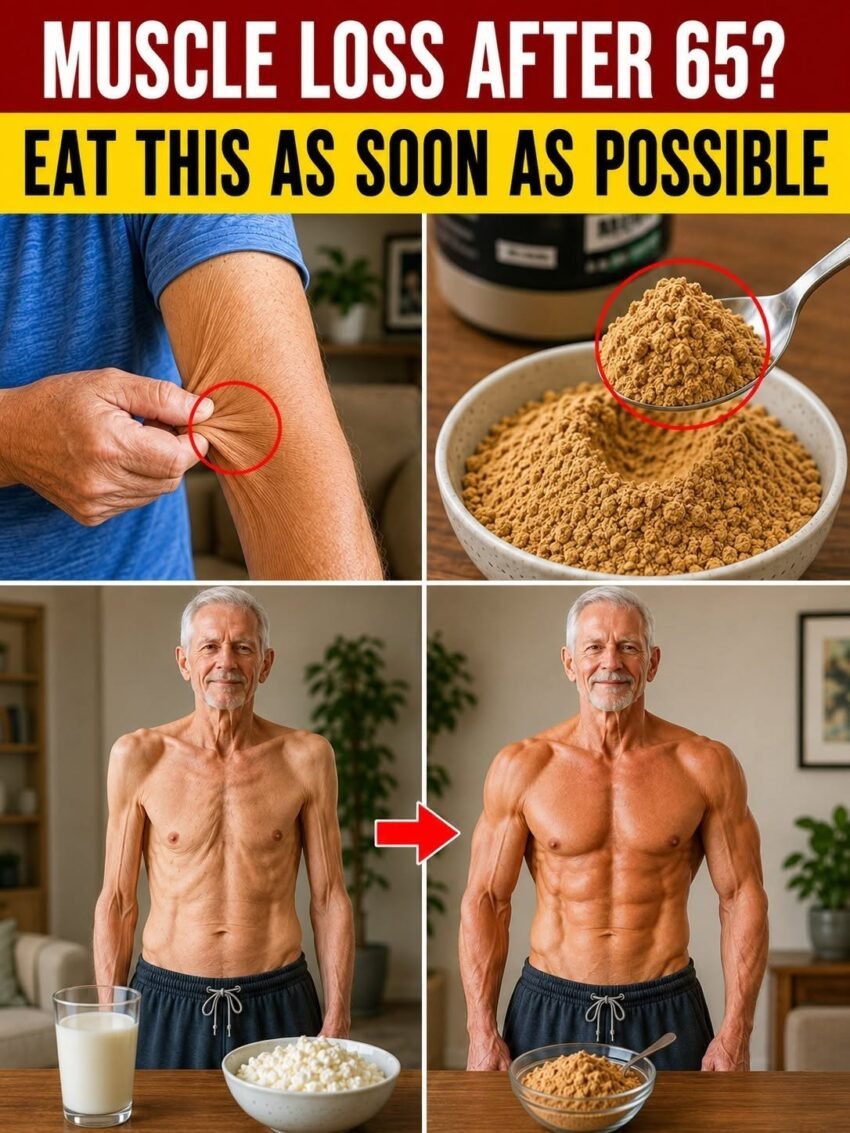
Over 60? This Protein-Rich Food May Help Support Your Muscles as You Age
Discover how protein-rich foods can support muscle strength after 60, plus simple diet tips to help maintain mobility, energy, and healthy aging.
Introduction: The Strength You Lose Slowly Is the Strength You Miss Most
Many people notice it quietly.
The grocery bags feel heavier than they used to.
Getting up from a chair takes a little more effort.
Climbing stairs that once felt easy suddenly requires more energy.
Aging does not mean losing your independence, but changes in muscle strength are common after 60. The good news is that your daily habits—including what you eat—can play an important role in supporting your muscles and keeping your body active.
One nutrient becomes especially important as we get older: protein.
Protein provides the building blocks your body uses to repair and maintain muscle tissue. While no single food can magically prevent age-related muscle loss, adding high-quality protein sources to your diet can support your strength, mobility, and overall health.
One simple food that stands out for many older adults is:
Eggs: A Small Food With Powerful Muscle Support
Eggs have been a breakfast favorite for generations, but their value goes far beyond convenience.
One large egg contains high-quality protein along with important nutrients like vitamin B12, selenium, and choline.
The protein in eggs contains all nine essential amino acids—the building blocks your body cannot make on its own and must get from food.
For adults over 60, this matters because the body often becomes less efficient at using protein compared with younger years. This means spreading enough protein throughout the day becomes increasingly important.
A simple breakfast of eggs with vegetables, whole grains, or fruit can be an easy way to start the day with muscle-supporting nutrition.
Why Muscle Loss Becomes More Common After 60
Age-related muscle loss is often called sarcopenia.
It does not happen overnight.
It develops gradually through a combination of factors:
- Lower physical activity
- Changes in hormones
- Reduced appetite
- Less protein intake
- Certain health conditions
- Longer periods of inactivity after illness or injury
Many older adults eat less without realizing it.
Maybe breakfast becomes smaller.
Maybe cooking feels like too much work.
Maybe appetite changes.
Over time, those small reductions can mean the body receives fewer nutrients needed to maintain muscle.
Protein: The Nutrient Your Muscles Cannot Ignore
Your muscles are constantly changing.
Even when you are resting, your body is breaking down and rebuilding muscle tissue.
Protein helps support this rebuilding process.
Research on aging and nutrition suggests that older adults may benefit from paying closer attention to protein intake because muscle tissue becomes less responsive to smaller amounts of protein.
This does not mean eating huge portions of meat or relying on supplements.
It means making protein a regular part of meals.
Examples include:
- Eggs
- Fish
- Greek yogurt
- Chicken
- Beans
- Lentils
- Cottage cheese
- Tofu
- Nuts and seeds
The goal is consistency.
The Best Way to Eat Protein After 60
Many people make the mistake of eating most of their protein at dinner.
For example:
Breakfast: Toast and coffee
Lunch: Light salad
Dinner: Large serving of chicken
A better approach may be spreading protein across meals.
Your body needs a steady supply of nutrients throughout the day.
A balanced day might look like:
Breakfast
Eggs with whole-grain toast and fruit
Lunch
Chicken, beans, or tuna with vegetables
Snack
Greek yogurt or cottage cheese
Dinner
Fish, lean meat, tofu, or legumes
Small improvements repeated daily often create bigger results than occasional major changes.
Muscle Health Is Not Only About Food
Nutrition matters, but food works best alongside movement.
One of the most effective ways older adults can support muscle is through resistance exercise.
This does not necessarily mean lifting heavy weights.
Depending on your health and fitness level, it may include:
- Resistance bands
- Bodyweight exercises
- Light weights
- Chair exercises
- Strength-focused physical therapy programs
Muscles respond to challenges.
When you use them, your body receives a signal that they are still needed.
A Real-Life Example: How Small Changes Add Up
Consider Mary, a fictional example of a 68-year-old retiree.
After retirement, Mary became less active.
She noticed she avoided stairs and needed help carrying heavier groceries.
She assumed it was simply “getting older.”
Instead of making a dramatic lifestyle change, she started with simple adjustments:
- Added eggs or yogurt to breakfast
- Walked daily
- Started gentle strength exercises twice a week
- Paid more attention to hydration
After several months, she felt more confident moving around.
The change was not caused by one food.
It came from consistent habits working together.
Foods That Support Healthy Aging
Eggs are useful, but they are only one option.
A strong muscle-supporting diet includes variety.
Fatty Fish
Salmon, sardines, and trout provide protein along with omega-3 fatty acids.
Dairy Products
Greek yogurt, milk, and cottage cheese provide protein and calcium.
Beans and Lentils
These provide plant-based protein and fiber.
Lean Meats
Chicken and turkey are convenient protein sources.
Nuts and Seeds
These offer protein, healthy fats, and important minerals.
Soy Foods
Tofu and soy products can be valuable protein options.
Common Mistakes Seniors Make When Trying to Maintain Strength
Mistake #1: Eating Too Little Protein
Some older adults focus mostly on fruits, vegetables, and carbohydrates while forgetting protein.
Better approach: Include a protein source at each meal.
Mistake #2: Waiting Until Dinner to Get Protein
A single large protein serving may not be the most effective pattern.
Better approach: Spread protein throughout the day.
Mistake #3: Avoiding Exercise Because of Age
Many people assume weakness means they should rest more.
Sometimes the opposite is true.
Better approach: Ask a healthcare professional about safe strength activities.
Mistake #4: Expecting One Food to Fix Everything
Healthy aging comes from patterns.
No single ingredient replaces balanced nutrition, movement, sleep, and medical care.
Simple Over-60 Muscle Support Checklist
Add:
✅ Protein with every meal
✅ Colorful fruits and vegetables
✅ Regular movement
✅ Strength exercises appropriate for your ability
✅ Enough water throughout the day
✅ Consistent sleep habits
Avoid:
❌ Skipping meals regularly
❌ Extremely restrictive diets without medical guidance
❌ Staying inactive for long periods
❌ Assuming weakness is unavoidable
Frequently Asked Questions
Can eating eggs prevent muscle loss after 60?
Eggs can provide high-quality protein that supports muscle maintenance, but preventing muscle loss involves many factors including exercise, overall nutrition, and health.
How much protein do adults over 60 need?
Protein needs vary depending on body size, activity level, health conditions, and medical advice. A healthcare professional or registered dietitian can provide personalized guidance.
Is it too late to build muscle after 60?
No. Many older adults can improve strength and function through appropriate resistance training and adequate nutrition.
Are protein supplements necessary for seniors?
Not always. Many people can meet protein needs through regular foods. Supplements may be useful in certain situations, but they should be considered based on individual needs.
What is the easiest protein food for seniors?
Convenient options include eggs, yogurt, cottage cheese, fish, beans, and nuts because they require little preparation.
Does walking build muscle?
Walking is excellent for heart health, balance, and mobility, but resistance exercises are generally more effective for building or maintaining muscle strength.
Why do older adults lose muscle faster?
Changes in activity, hormones, appetite, and the body’s response to protein can contribute to age-related muscle loss.
Should seniors eat more protein at breakfast?
Including protein at breakfast can help distribute protein intake more evenly throughout the day.
Final Thoughts
Getting older does not mean giving up strength.
Your body continues responding to the choices you make every day.
A protein-rich breakfast, regular movement, and balanced nutrition can help support the muscles you rely on for independence—from carrying groceries to climbing stairs to enjoying activities with family.
The goal is not to fight aging.
The goal is to age with strength, confidence, and the ability to keep doing the things that matter most.
After 60, protecting muscle health starts with simple habits. Adding enough protein—such as eggs and other nutrient-rich foods—along with regular movement can help support strength and healthy aging.
If this article helped you, share it with someone who wants to stay active after 60, leave a comment with your favorite healthy aging tip, and explore more practical guides for living stronger every year.