5 Foods Viral Posts Blame for Childhood Cancer: What Parents Should Really Know
Viral posts often blame everyday foods for childhood cancer. Learn what science says, which claims are misleading, and how parents can make informed choices.
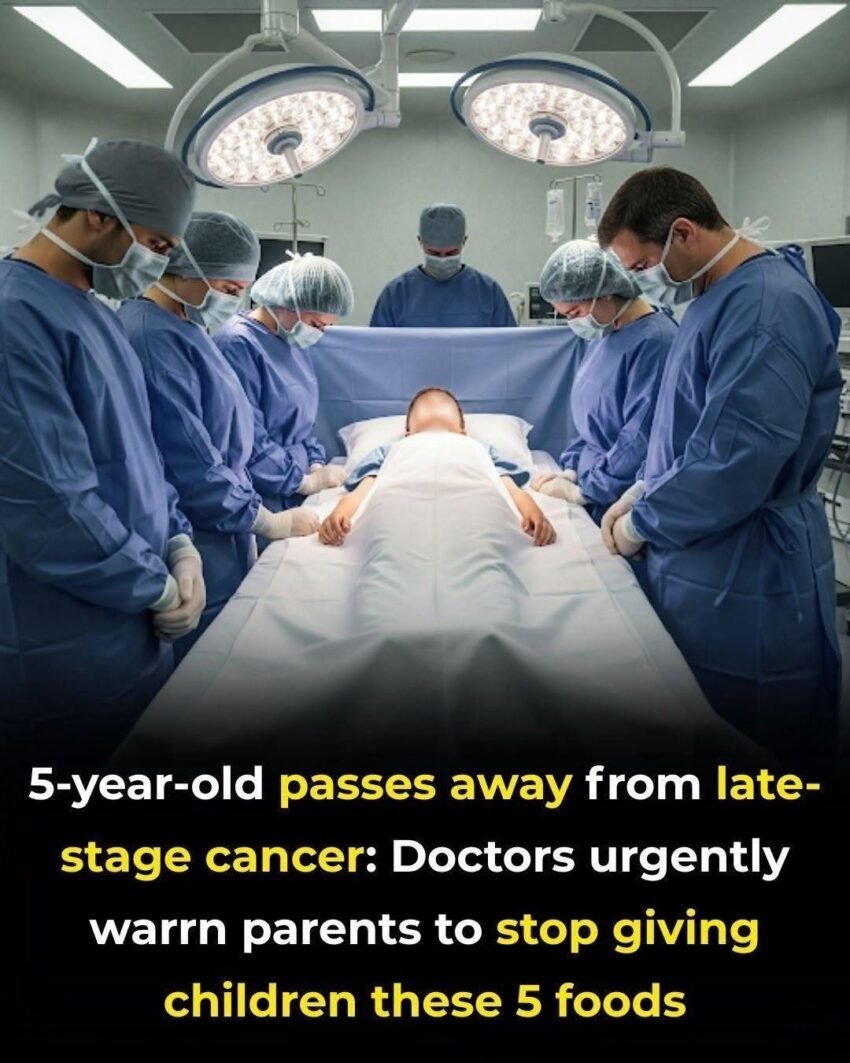
A frightening post appears online:
“These five foods are causing cancer in children—stop feeding them immediately.”
Within hours, thousands of parents share it. The message feels urgent, emotional, and impossible to ignore.
Every parent wants to protect their child. When a claim suggests that something in the kitchen could be dangerous, it naturally creates fear.
But fear is not the same as evidence.
The truth is more complicated. Childhood cancer is a serious disease with many complex causes, and scientists have not found evidence that ordinary foods commonly eaten by children are simple causes of cancer.
That does not mean nutrition does not matter. A healthy diet plays an important role in a child’s growth, immune function, energy, and long-term health. But separating real health advice from viral misinformation is essential.
Let’s look at five foods that are often blamed online and what parents should actually know.
1. Processed Meats (Hot Dogs, Bacon, Sausages)
Processed meats are among the foods most frequently discussed in cancer conversations.
They include foods such as:
- Hot dogs
- Bacon
- Sausages
- Some deli meats
Research has linked high consumption of processed meats with increased risk of certain cancers in adults, particularly colorectal cancer.
However, this does not mean that eating a hot dog occasionally causes childhood cancer.
For children, the practical message is moderation:
- Avoid making processed meats a daily staple.
- Choose a variety of protein sources.
- Include foods such as fish, eggs, beans, poultry, and nuts when appropriate.
The concern is about overall dietary patterns, not one occasional meal.
2. Sugary Foods and Candy
Social media posts often claim that sugar “feeds cancer” and directly causes childhood cancer.
This claim is misleading.
The body needs glucose (a form of sugar) for energy. Healthy cells and cancer cells both use glucose. Simply eating sugar does not mean you are feeding cancer in a way that causes the disease.
However, excessive sugar intake can contribute to:
- Tooth decay
- Unhealthy weight gain
- Poor overall nutrition
A balanced approach is best:
- Enjoy treats occasionally.
- Prioritize fruits, vegetables, whole grains, and proteins.
- Avoid replacing nutritious meals with sugary snacks.
3. Artificial Food Colors
Brightly colored snacks and drinks often become targets of online warnings.
Some parents worry that artificial colors cause serious diseases, including cancer.
Current evidence does not show that approved food colors used within regulated limits are a proven cause of childhood cancer.
However, some children may be sensitive to certain additives, and families may choose to reduce highly processed foods for general nutrition reasons.
A healthier approach is not panic—it is balance.
Instead of focusing only on food colors, consider the whole food:
- Is it providing nutrients?
- Is it replacing healthier choices?
- Is it part of a varied diet?
4. Microwave Popcorn
Microwave popcorn has appeared in many viral health warnings over the years.
The concern has often focused on older packaging chemicals or flavoring ingredients.
Food safety standards have changed over time, and manufacturers have adjusted many products.
The bigger nutritional issue with some microwave popcorn products is usually:
- High sodium
- Added fats
- Artificial flavoring
Parents can choose:
- Plain popcorn
- Air-popped popcorn
- Lower-sodium options
Popcorn itself is a whole grain and can be part of a healthy diet.
5. Farmed Foods and “Chemicals”
Another common online claim suggests that foods exposed to pesticides, hormones, or farming methods automatically cause childhood cancer.
The reality is more complex.
Food safety systems exist to regulate chemical exposure and protect consumers. Scientists evaluate risks based on dose, exposure, and evidence—not fear alone.
Parents can reduce unnecessary exposure by:
- Washing fruits and vegetables
- Eating a variety of foods
- Following food safety recommendations
- Choosing organic options if they prefer and can afford them
Organic food is not required for a healthy diet, and conventional produce is not automatically dangerous.
Why Childhood Cancer Happens
Childhood cancer is rare and usually involves complex biological factors.
Researchers continue studying causes, including:
- Genetic changes
- Random cellular changes
- Environmental exposures
- Other biological factors
In many cases, doctors cannot identify one specific cause.
A parent’s goal should not be to chase every alarming internet claim. Instead, focus on proven ways to support a child’s health.
What Actually Helps Reduce Health Risks?
Parents can focus on habits supported by decades of research:
Provide a Variety of Foods
A colorful plate often means a wider range of nutrients.
Include:
- Fruits
- Vegetables
- Whole grains
- Protein sources
- Healthy fats
Encourage Healthy Activity
Children benefit from regular movement through:
- Sports
- Outdoor play
- Family activities
- Active hobbies
Avoid Tobacco Smoke Exposure
One of the clearest preventable health risks for children is exposure to tobacco smoke.
Keep Regular Medical Visits
Routine checkups help monitor growth, development, and overall health.
How to Spot Misleading Health Claims Online
Before believing a viral health post, ask:
Does it use fear?
Words like:
- “Doctors don’t want you to know”
- “Delete this immediately”
- “Everyone is being lied to”
are often warning signs.
Does it provide evidence?
Reliable claims usually reference scientific research, medical organizations, or experts.
Does it blame one simple cause?
Complex diseases rarely have one simple explanation.
Frequently Asked Questions
Can food cause childhood cancer?
There is no evidence that common childhood foods directly cause childhood cancer. Cancer development is complex and involves many factors.
Should parents completely avoid processed foods?
Not necessarily. The goal is moderation and a balanced diet, not fear of occasional foods.
Does sugar cause cancer in children?
No. Eating sugar does not directly cause childhood cancer, although excessive sugar intake can contribute to other health problems.
Are organic foods safer from cancer risk?
Organic foods may reduce exposure to certain agricultural chemicals, but conventional foods that meet safety standards are also considered safe.
Should parents worry about every viral food warning?
No. Evaluate claims using reliable sources rather than social media posts alone.
Action Checklist for Parents
Focus On:
✔ A balanced variety of foods.
✔ Fruits and vegetables every day.
✔ Healthy protein sources.
✔ Regular physical activity.
✔ Reliable health information.
✔ Regular pediatric care.
Avoid:
✘ Panic-based food decisions.
✘ Blaming yourself for illness.
✘ Removing major food groups without medical guidance.
✘ Trusting viral claims without evidence.
Conclusion
Parents naturally want to protect their children from every possible danger. But fear-based food claims online can create unnecessary anxiety and distract from the habits that truly support children’s health.
The best protection is not avoiding every food mentioned in a viral post. It is building a balanced lifestyle based on good nutrition, regular healthcare, and trustworthy information.
Childhood cancer is a complex disease, and no parent can control every factor involved. What parents can do is provide care, nourishment, love, and healthy habits every day.
Viral posts often turn complicated health topics into frightening headlines. Focus on evidence-based nutrition, not fear, and remember that a balanced diet matters more than avoiding a list of “scary” foods.