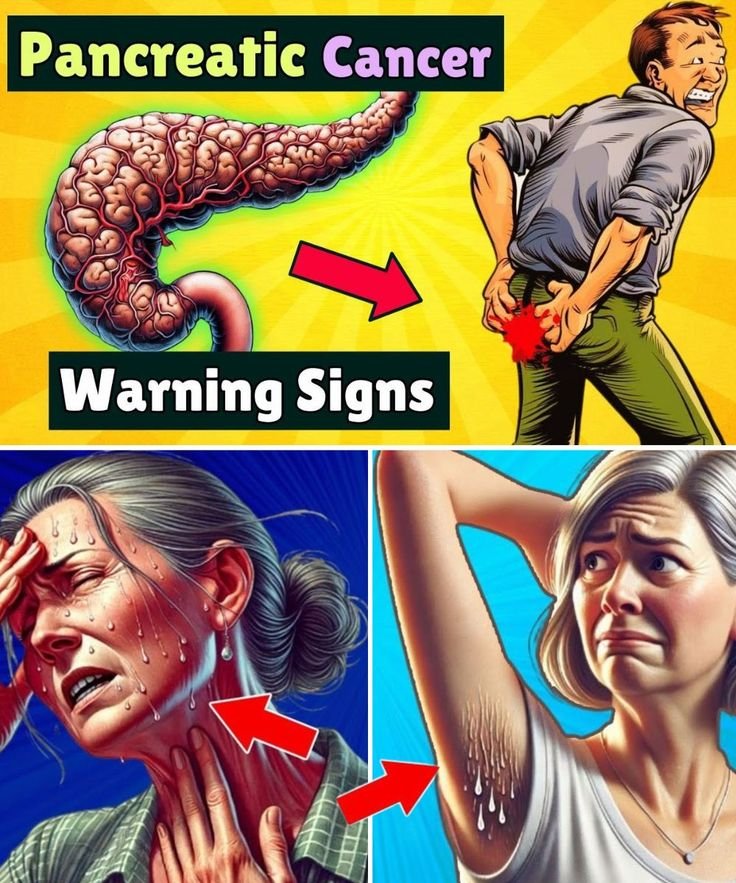
8 Shocking Signs of Pancreatic Cancer You Shouldn’t Ignore: Early Warning Symptoms Your Body May Reveal
Discover 8 possible warning signs of pancreatic cancer, from unexplained weight loss to digestive changes, and learn when symptoms need medical attention.
Pancreatic cancer is often called a “silent disease” because it can develop without obvious symptoms in its early stages.
The pancreas sits deep inside the abdomen, behind the stomach, which means early changes may be difficult to notice. Many symptoms can also look like common digestive problems, stress, or everyday health issues.
That is why recognizing unusual or persistent changes matters.
A single symptom does not mean someone has pancreatic cancer. Many of these signs can happen because of conditions that are far more common and less serious. But when symptoms continue, worsen, or appear together, they should not be ignored.
Here are eight possible warning signs of pancreatic cancer that deserve attention.
1. Unexplained Weight Loss
Unexpected weight loss is one of the symptoms often associated with pancreatic cancer.
This is different from losing weight because of a planned diet or increased exercise.
Pay attention if you notice:
- Losing weight without trying
- A sudden decrease in appetite
- Clothes becoming noticeably looser
- Ongoing loss of body weight
Pancreatic cancer can affect digestion and the body’s ability to process nutrients. Changes in metabolism and appetite can also contribute.
However, unexplained weight loss can have many other causes, including thyroid problems, digestive disorders, infections, or stress.
The important point is that unexplained and ongoing weight changes deserve evaluation.
2. Yellowing of the Skin or Eyes (Jaundice)
One of the more recognizable signs of pancreatic cancer is jaundice, a condition where the skin or whites of the eyes appear yellow.
This can happen when a tumor blocks the bile duct, preventing bile from flowing normally.
Other possible signs of jaundice include:
- Dark-colored urine
- Pale stools
- Itchy skin
- Yellowing of the eyes
Jaundice does not always mean cancer. It can occur with several liver, gallbladder, or bile duct conditions.
However, sudden yellowing of the skin or eyes should always be medically evaluated.
3. Persistent Abdominal or Back Pain
Some people with pancreatic cancer experience discomfort in the upper abdomen that may spread toward the back.
The pain may feel like:
- A dull ache
- Pressure
- A deep discomfort that is difficult to pinpoint
- Pain that becomes worse after eating
Because the pancreas is located deep in the abdomen, symptoms can sometimes feel vague.
Persistent abdominal or back pain that does not have an obvious explanation should be discussed with a healthcare professional.
4. Digestive Problems and Changes in Stool
The pancreas plays an important role in digestion by producing enzymes that help break down food.
When pancreatic function is affected, some people may notice digestive changes such as:
- Greasy or oily stools
- Floating stools
- Unusual stool color
- Increased gas
- Bloating
- Changes in bowel habits
These symptoms are not specific to pancreatic cancer and can occur with many digestive conditions.
Still, ongoing digestive changes combined with other warning signs should not be overlooked.
5. Loss of Appetite or Feeling Full Quickly
Some people with pancreatic cancer experience reduced appetite or changes in how they feel after eating.
You may notice:
- Eating much less than usual
- Feeling full after a small amount of food
- Losing interest in favorite foods
Appetite changes can happen for many reasons, including stress, infections, medications, and digestive problems.
But persistent appetite changes without a clear explanation deserve attention.
6. New-Onset Diabetes or Sudden Blood Sugar Changes
The pancreas plays a major role in regulating blood sugar by producing insulin.
In some cases, pancreatic problems may be associated with:
- New diabetes diagnosis in adulthood
- Unexpected changes in blood sugar levels
- Difficulty controlling blood sugar
Most people with diabetes do not have pancreatic cancer. Diabetes is common and has many causes.
However, new and unexplained blood sugar changes—especially when combined with other symptoms—should be discussed with a healthcare provider.
7. Unusual Fatigue and Weakness
Fatigue is one of the most common symptoms of many health conditions.
Cancer-related fatigue may feel different from ordinary tiredness.
It may involve:
- Feeling exhausted despite adequate rest
- Reduced ability to complete normal activities
- Persistent weakness
Fatigue can result from many causes, including anemia, infections, sleep problems, stress, and chronic conditions.
If fatigue continues without explanation, a medical evaluation can help identify the cause.
8. Blood Clots or Swelling in the Legs
In some cases, pancreatic cancer can increase the risk of blood clots.
Possible warning signs include:
- Swelling in one leg
- Leg pain or tenderness
- Warmth or redness in the affected area
A blood clot can be serious and requires medical attention.
Not every blood clot is linked to cancer, but unexplained clotting problems should be evaluated.
Why Pancreatic Cancer Can Be Difficult to Detect Early
The pancreas is located deep inside the body, and early tumors may not create noticeable symptoms.
Many early symptoms can resemble:
- Indigestion
- Stomach discomfort
- Normal aging changes
- Temporary digestive issues
This overlap is one reason people may delay seeking medical advice.
The goal is not to become alarmed by every symptom. The goal is to recognize patterns that are unusual for you.
Who May Have a Higher Risk of Pancreatic Cancer?
Risk can vary from person to person.
Factors associated with increased risk may include:
- Older age
- Family history of pancreatic cancer
- Certain inherited genetic conditions
- Smoking
- Chronic pancreatitis
- Some long-term health conditions
Having risk factors does not mean someone will develop pancreatic cancer.
When Should You See a Healthcare Professional?
Consider seeking medical advice if you experience:
- Unexplained weight loss
- Persistent abdominal or back pain
- Yellowing of the eyes or skin
- Ongoing digestive changes
- New blood sugar problems
- Symptoms that continue or worsen
A healthcare professional can determine whether testing or further evaluation is appropriate.
Common Mistakes People Make
Mistake 1: Blaming every symptom on digestion
Stomach issues are common, and many are harmless.
Better approach: Pay attention when digestive symptoms persist or appear with other changes.
Mistake 2: Waiting because symptoms are mild
Early symptoms may not feel severe.
Better approach: Persistent changes are worth discussing, even if they seem manageable.
Mistake 3: Assuming weight loss is always positive
Unplanned weight loss is different from healthy weight loss.
Better approach: Track unexpected changes and discuss them with a healthcare provider.
Mistake 4: Ignoring new health changes because of age
New symptoms should not automatically be dismissed as “getting older.”
Better approach: Ask questions and seek appropriate medical guidance.
How to Support Pancreatic and Overall Health
While no habit can completely prevent cancer, healthy choices support overall well-being.
Helpful steps include:
- Avoiding tobacco products
- Maintaining a balanced diet
- Staying physically active
- Managing chronic health conditions
- Following recommended medical checkups
- Discussing concerning symptoms early
Frequently Asked Questions
What is the earliest warning sign of pancreatic cancer?
There is no single early warning sign. Some possible symptoms include unexplained weight loss, digestive changes, abdominal discomfort, and jaundice.
Can pancreatic cancer cause back pain?
Yes, some people experience upper abdominal pain that may extend to the back.
Does pancreatic cancer always cause jaundice?
No. Jaundice is more common when tumors affect bile flow, but not everyone with pancreatic cancer develops it.
Can digestive problems mean pancreatic cancer?
Digestive symptoms are common and usually have other causes. Persistent or unusual digestive changes should be evaluated.
Is sudden diabetes always linked to pancreatic cancer?
No. Most diabetes is not caused by pancreatic cancer. However, new blood sugar changes may require discussion with a healthcare provider.
Who is most likely to get pancreatic cancer?
Risk increases with factors such as age, family history, certain genetic conditions, smoking, and chronic pancreatitis.
Can pancreatic cancer be prevented?
There is no guaranteed way to prevent pancreatic cancer, but avoiding tobacco, maintaining healthy habits, and managing health conditions may reduce certain risks.
Why is pancreatic cancer often found late?
Because early symptoms can be subtle and the pancreas is located deep inside the abdomen, diagnosis may occur after symptoms become more noticeable.
Pancreatic Cancer Awareness Checklist
Pay attention to:
☐ Unexplained weight loss
☐ Yellow skin or eyes
☐ Persistent abdominal or back pain
☐ Ongoing digestive changes
☐ Loss of appetite
☐ New blood sugar changes
☐ Unusual fatigue
☐ Signs of blood clots
Take action by:
☐ Tracking symptoms over time
☐ Speaking with a healthcare professional about concerns
☐ Knowing your family health history
☐ Avoiding tobacco exposure
☐ Keeping regular health appointments
Final Thoughts
Pancreatic cancer can be difficult to recognize because its early signs often overlap with everyday health problems.
That does not mean every stomach ache, tired day, or appetite change should cause fear. It means unusual, persistent, or unexplained changes deserve attention.
Listening to your body, noticing patterns, and seeking medical advice when something feels wrong are important parts of protecting your health.
Pancreatic cancer symptoms can be subtle, but paying attention to persistent changes may help you seek answers sooner.