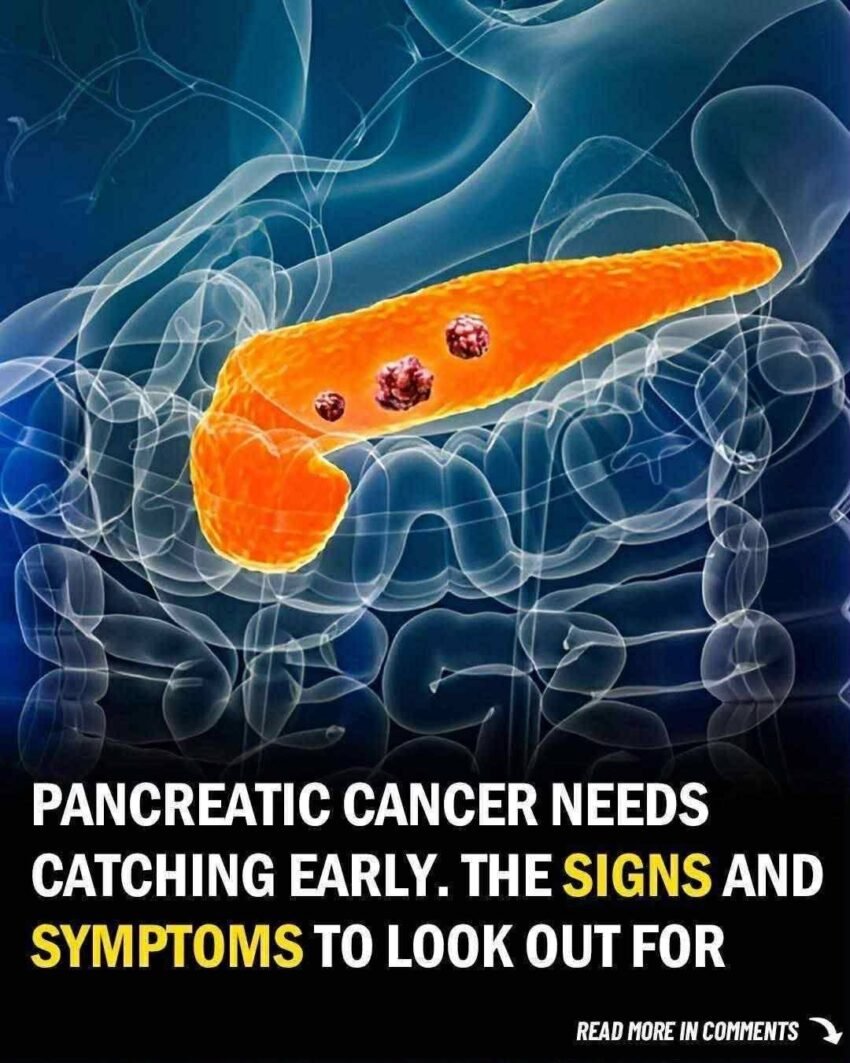
Signs of Pancreatic Cancer You Should Never Ignore: 10 Warning Symptoms Your Body May Be Sending
Learn the warning signs of pancreatic cancer you should never ignore, including jaundice, weight loss, digestive changes, pain, and blood sugar changes.
Pancreatic cancer is often difficult to recognize in its early stages because the symptoms can be subtle and may look like common digestive problems.
A little stomach discomfort. Feeling more tired than usual. Losing weight without trying. Many people may brush off these changes because they seem minor.
But when unusual symptoms continue, worsen, or appear together, they deserve attention.
The pancreas plays an important role in digestion and blood sugar control. When abnormal cells develop in the pancreas, they can affect nearby organs, digestion, metabolism, and overall health.
Not every symptom on this list means cancer. Many have other, more common explanations. However, understanding possible warning signs can help you know when to speak with a healthcare professional.
Here are signs of pancreatic cancer you should never ignore.
1. Yellowing of the Skin or Eyes (Jaundice)
One of the most noticeable warning signs of pancreatic cancer can be jaundice, a yellowing of the skin or the whites of the eyes.
This may happen when a tumor blocks the bile duct, preventing bile from moving normally through the body.
Other signs linked with jaundice may include:
- Dark urine
- Pale-colored stools
- Itchy skin
- Yellowing around the eyes
Jaundice can also happen because of other conditions involving the liver, gallbladder, or bile ducts. However, sudden or unexplained yellowing should always be checked by a healthcare professional.
2. Unexplained Weight Loss
Losing weight without changing your diet or activity level is a symptom that should not be ignored.
Pancreatic cancer may affect the way the body processes nutrients and uses energy. Some people may also experience reduced appetite or difficulty digesting food.
Pay attention to:
- Losing weight without trying
- Clothes becoming noticeably looser
- A sudden drop in appetite
- Ongoing weight loss over several weeks or months
Unexplained weight loss can happen with many conditions, but it is always worth discussing with a medical professional.
3. Persistent Upper Abdominal Pain
Pain caused by pancreatic cancer may be difficult to describe because the pancreas is located deep inside the abdomen.
Some people experience:
- A dull ache in the upper abdomen
- A feeling of pressure
- Discomfort that does not go away
- Pain that spreads toward the back
Pain that is persistent, unusual, or different from your normal digestive discomfort should be evaluated.
4. Back Pain Without a Clear Cause
Some people with pancreatic cancer experience pain in the middle or upper back.
This can happen because the pancreas is located near several important nerves and structures in the abdomen.
Back pain has many possible causes, including muscle strain, posture problems, and spinal conditions.
However, ongoing back pain combined with digestive symptoms, weight loss, or other changes deserves medical attention.
5. Changes in Digestion or Stool
The pancreas produces enzymes that help the body digest food.
When pancreatic function is affected, digestion may change.
Possible signs include:
- Greasy or oily stools
- Floating stools
- Unusual stool color
- Increased gas
- Bloating
- Feeling uncomfortable after eating
Digestive changes are common and often have harmless causes. The concern is when they are persistent or occur with other warning signs.
6. Loss of Appetite or Feeling Full Quickly
A noticeable change in eating habits can sometimes be a warning sign.
Some people experience:
- Less interest in food
- Feeling full after eating a small amount
- Nausea after meals
- Changes in food preferences
A reduced appetite can happen for many reasons, including stress, infections, medications, or digestive conditions.
Persistent appetite changes should not be ignored.
7. New-Onset Diabetes or Unexplained Blood Sugar Changes
The pancreas produces insulin, a hormone that helps regulate blood sugar.
In some cases, changes in the pancreas may be linked with:
- Developing diabetes later in life
- Difficulty controlling blood sugar
- Unexpected changes in glucose levels
Most people with diabetes do not have pancreatic cancer. Diabetes is extremely common and has many causes.
However, new and unexplained blood sugar changes should be discussed with a healthcare provider.
8. Persistent Fatigue and Weakness
Feeling tired after a busy day is normal.
Cancer-related fatigue can feel different. It may involve:
- Low energy despite enough sleep
- Difficulty completing normal activities
- Ongoing weakness
- Feeling physically drained
Fatigue is one of the most common symptoms across many health conditions, so it is not specific to pancreatic cancer. Still, persistent unexplained fatigue deserves attention.
9. Blood Clots or Unusual Leg Swelling
Pancreatic cancer can increase the risk of blood clot formation in some people.
Warning signs of a possible blood clot include:
- Swelling in one leg
- Leg pain or tenderness
- Warmth or redness
- Sudden discomfort in the affected area
Blood clots can be serious. If you experience sudden swelling, pain, or breathing difficulties, seek medical care promptly.
10. A Feeling That Something Is Not Right
Sometimes people notice general changes before they can identify a specific symptom.
They may describe:
- Feeling different than usual
- Losing energy
- Changes in digestion
- A decline in overall well-being
This feeling alone does not diagnose cancer. But paying attention to changes and discussing concerns with a healthcare provider can help uncover possible causes.
Why Pancreatic Cancer Can Be Hard to Detect
The pancreas is located deep within the abdomen, and early tumors may not create obvious symptoms.
Many early signs can resemble:
- Indigestion
- Stomach upset
- Stress-related changes
- Normal digestive issues
This is why patterns matter.
A single episode of bloating is usually not concerning. But ongoing digestive changes combined with unexplained weight loss or jaundice require more attention.
Who Has a Higher Risk of Pancreatic Cancer?
Risk factors may include:
- Older age
- Smoking
- Family history of pancreatic cancer
- Certain inherited genetic conditions
- Chronic pancreatitis
- Some long-term health conditions
Having a risk factor does not mean someone will develop pancreatic cancer. It simply means awareness and appropriate medical care are important.
Common Mistakes People Make
Mistake 1: Ignoring symptoms because they seem mild
Early symptoms are not always dramatic.
Better approach: Pay attention to changes that persist or worsen.
Mistake 2: Assuming digestive issues are always harmless
Many digestive problems are minor, but ongoing changes deserve evaluation.
Better approach: Notice patterns instead of isolated moments.
Mistake 3: Waiting for severe pain
Some people delay care because symptoms are not painful.
Better approach: Other signs, such as weight loss or jaundice, matter too.
Mistake 4: Trying to diagnose yourself online
Internet searches can provide information but cannot replace medical evaluation.
Better approach: Use information as a reason to ask better questions.
When Should You Contact a Healthcare Professional?
Consider making an appointment if you experience:
- Unexplained weight loss
- Yellowing of the skin or eyes
- Persistent abdominal or back pain
- Long-lasting digestive changes
- New blood sugar problems
- Ongoing loss of appetite
- Symptoms that continue without explanation
A healthcare professional can review your symptoms, medical history, and determine whether further testing is needed.
Frequently Asked Questions
What is the first warning sign of pancreatic cancer?
There is no single first sign. Symptoms vary, but unexplained weight loss, jaundice, abdominal pain, and digestive changes are among the possible warning signs.
Can pancreatic cancer cause stomach problems?
Yes. Because the pancreas helps with digestion, pancreatic problems may affect appetite, digestion, and stool changes.
Does pancreatic cancer always cause pain?
No. Some people may have little or no pain, especially early in the disease.
Can pancreatic cancer be detected early?
Early detection can be challenging because symptoms may be subtle. Medical evaluation of persistent changes can help identify problems sooner.
Is back pain always related to pancreatic cancer?
No. Back pain is extremely common and usually has other causes. Concern increases when it appears with other warning signs.
Does diabetes mean someone has pancreatic cancer?
No. Most diabetes cases are unrelated to pancreatic cancer. However, unexpected blood sugar changes should be discussed with a healthcare provider.
Who should be screened for pancreatic cancer?
Routine screening is not recommended for everyone. People with certain genetic risks or strong family histories may need specialized evaluation.
Can pancreatic cancer be prevented?
There is no guaranteed prevention method, but avoiding smoking, maintaining healthy habits, and managing health conditions can support overall health.
Pancreatic Cancer Awareness Checklist
Watch for:
☐ Yellow skin or eyes
☐ Unexplained weight loss
☐ Persistent stomach or back pain
☐ Digestive changes
☐ Loss of appetite
☐ New blood sugar changes
☐ Ongoing fatigue
☐ Unusual swelling or blood clot symptoms
Take action:
☐ Track symptoms that continue
☐ Discuss concerns with a healthcare professional
☐ Know your family medical history
☐ Avoid smoking
☐ Keep regular health appointments
Final Thoughts
Pancreatic cancer can be difficult to recognize because its early signs often appear as ordinary health complaints.
The goal is not to worry about every digestive issue or tired day. It is to recognize when something feels unusual, persistent, or different from your normal experience.
Your body communicates through changes. Paying attention, asking questions, and seeking medical guidance when needed are important steps toward protecting your health.
Pancreatic cancer symptoms can be easy to overlook, but persistent changes—especially weight loss, jaundice, pain, and digestive problems—should never be ignored.