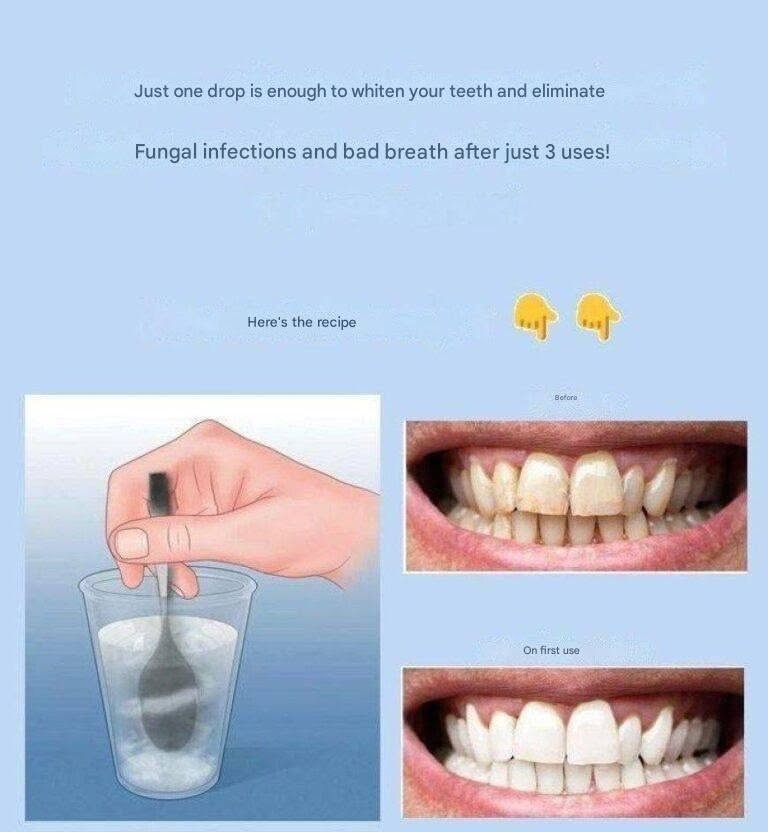
Remove Tartar and Whiten Your Teeth With This Simple Routine: What Actually Works
Want whiter teeth and less tartar? Learn which home remedies are safe, what really removes hardened plaque, and how to brighten your smile without damaging enamel.
A yellow line along the gumline can make you wonder whether your teeth simply need a better whitening treatment.
But sometimes the problem isn’t ordinary staining at all.
It may be tartar, also called dental calculus—a hardened layer of plaque that sticks firmly to the teeth.
And here’s the part many viral “teeth whitening” recipes get wrong:
You can’t safely scrub or dissolve established tartar away with a homemade mixture.
Some popular recipes use lemon juice, vinegar, baking soda, hydrogen peroxide, or other abrasive ingredients. They may temporarily change the appearance of a tooth, but aggressive or repeated use can irritate gums and damage enamel.
The good news is that you can still improve the appearance and cleanliness of your teeth at home.
The trick is knowing what you’re actually trying to remove.
First: Tartar and Plaque Are Not the Same Thing
This distinction changes everything.
Plaque
Plaque is a soft, sticky film of bacteria that continually forms on teeth.
Regular brushing and cleaning between the teeth can remove it.
Tartar
When plaque remains on the teeth and becomes mineralized, it can harden into tartar.
Once that happens, a toothbrush can’t simply brush it away.
A professional dental cleaning may be needed to remove it safely.
That’s why someone can brush twice a day and still notice a hard yellow or brown deposit near the gums.
They aren’t necessarily doing everything wrong.
The deposit may simply have progressed beyond what ordinary brushing can remove.
So What Is the “Simple Recipe”?
There isn’t a scientifically established homemade recipe that safely dissolves tartar from teeth.
But there is a simple routine that can help prevent new tartar buildup and reduce some surface staining:
- Fluoride toothpaste
- A soft-bristled toothbrush
- Daily cleaning between the teeth
- Proper brushing technique
- Professional dental cleanings when needed
If your goal is a whiter smile, you can also consider evidence-based whitening products designed for dental use.
That may sound less exciting than a viral kitchen recipe.
But your enamel is not something you want to experiment on.
Why Some DIY Whitening Recipes Look Like They Work
This is where appearances can be misleading.
Suppose someone scrubs their teeth with baking soda.
The teeth may look temporarily brighter.
Why?
Baking soda is mildly abrasive and can help remove some surface stains.
That’s very different from removing tartar or changing the natural internal color of the tooth.
The same problem occurs with acidic ingredients.
Lemon juice or vinegar can make teeth appear different temporarily, but acids can erode enamel.
Once enamel is lost, your body doesn’t simply grow it back.
So a method that produces a quick visual change isn’t necessarily a safe whitening method.
Can Baking Soda Remove Tartar?
Baking soda can help remove some surface discoloration because of its mild abrasive properties.
But it doesn’t magically dissolve established tartar.
If you have a hard deposit attached to the tooth, repeatedly scrubbing harder isn’t the answer.
In fact, aggressive brushing can irritate the gums and contribute to enamel wear.
If you like a baking-soda toothpaste, a commercially formulated fluoride toothpaste containing baking soda is a more controlled option than making increasingly abrasive mixtures at home.
What About Hydrogen Peroxide?
Hydrogen peroxide is used in many professionally formulated and over-the-counter tooth-whitening products.
That doesn’t mean concentrated household hydrogen peroxide should be poured directly onto your teeth.
Concentration matters.
So does formulation.
Professional and consumer whitening products are designed with specific concentrations and instructions.
Using a stronger solution or keeping it on the teeth longer doesn’t guarantee better results.
It can instead cause gum irritation and tooth sensitivity.
If you want to whiten your teeth, choose a product specifically intended for oral use and follow its directions.
Why Lemon Juice Is a Bad Whitening Shortcut
Lemon juice sounds appealing because it’s natural and acidic.
But “natural” doesn’t mean enamel-safe.
Acid can soften and erode tooth enamel.
Repeated exposure may increase sensitivity and make the tooth surface more vulnerable to damage.
And here’s the irony:
A person may use lemon juice hoping to make teeth whiter, only to damage enamel and make the teeth appear less attractive over time.
Enamel is naturally translucent.
As it becomes thinner, the darker underlying dentin can become more noticeable.
So the supposed whitening shortcut can work against the original goal.
What About Vinegar?
The same basic concern applies.
Vinegar is acidic.
It isn’t a tartar remover designed for teeth.
Using acidic household products repeatedly on your teeth can contribute to enamel erosion.
Keep vinegar in the kitchen.
Your teeth don’t need it.
The Safest Daily Routine for Tartar Control
If you’re trying to prevent tartar from building up, consistency beats aggressive cleaning.
Step 1: Brush twice a day
Use a soft-bristled toothbrush and fluoride toothpaste.
Brush all tooth surfaces gently.
More pressure doesn’t equal better cleaning.
If the bristles are bending dramatically while you brush, you’re probably pressing too hard.
Step 2: Clean between your teeth every day
This is one of the easiest steps to skip.
Plaque can accumulate between teeth where a regular toothbrush doesn’t reach effectively.
Depending on your teeth and preferences, you can use:
- Dental floss
- Dental tape
- Interdental brushes
- Water flossers
The best option is one you can use consistently and correctly.
Step 3: Pay attention to the gumline
Tartar commonly accumulates near the gums.
Don’t attack it with a metal object or household tool.
Instead, gently clean along the gumline with your toothbrush.
If you can feel a hard ridge that doesn’t move despite regular brushing, schedule a dental examination.
Step 4: Keep up with professional cleanings
Once tartar has formed, professional dental instruments can remove it more effectively and safely than household tools.
How often you need professional cleaning depends on your oral health and your dentist’s recommendation.
Some people need more frequent visits because they accumulate tartar quickly.
What Does a Professional Cleaning Actually Do?
A dental hygienist can use specialized instruments to remove hardened deposits from the tooth surface.
This is called scaling.
Depending on your situation, the cleaning may also involve polishing, which can help remove some surface stains and leave the teeth feeling smoother.
That smooth feeling isn’t just cosmetic.
A smoother tooth surface can make it harder for plaque to accumulate as easily compared with a rough surface covered in deposits.
Can Tartar Make Teeth Look Yellow?
Absolutely.
Tartar can appear:
- Yellow
- Tan
- Brown
- Grayish
- Dark near the gumline
The color varies depending on the deposits and exposure to substances such as tobacco, coffee, tea, and other staining materials.
But not every yellow tooth has tartar.
Natural tooth color varies.
Teeth aren’t naturally paper white for everyone.
That’s another reason whitening isn’t always the correct solution.
Tartar vs. Surface Stains vs. Natural Tooth Color
| Problem | What it is | Can brushing remove it? | Typical solution |
|---|---|---|---|
| Plaque | Soft bacterial film | Yes | Brushing + cleaning between teeth |
| Tartar | Hardened mineralized plaque | No | Professional removal |
| Surface stain | Pigment on tooth surface | Sometimes | Cleaning/whitening |
| Intrinsic discoloration | Color within the tooth | No | Professional whitening options may help |
| Enamel damage | Loss or weakening of enamel | No | Dental evaluation |
Knowing which category you’re dealing with prevents wasted effort.
Why Teeth Become Stained
Even with good oral hygiene, teeth can become darker over time.
Common contributors include:
Coffee
Coffee contains compounds that can stain dental surfaces.
Tea
Some teas, particularly darker varieties, can contribute to staining.
Tobacco
Smoking and other tobacco use can significantly discolor teeth.
Red wine
Dark pigments can contribute to surface staining.
Aging
Teeth naturally change appearance as enamel becomes thinner and the underlying dentin becomes more visible.
Certain medications
Some medications can cause intrinsic tooth discoloration, particularly when exposure occurs during tooth development.
This type of discoloration may not respond to ordinary brushing.
A Whiter Smile Doesn’t Necessarily Mean Healthier Teeth
This is an important distinction.
Whitening is primarily cosmetic.
Healthy teeth are about more than color.
You can have very white teeth with cavities or gum disease.
You can also have naturally off-white teeth that are perfectly healthy.
So don’t judge oral health entirely by the mirror.
Look for other signs:
- Bleeding gums
- Persistent bad breath
- Tooth sensitivity
- Tooth pain
- Swelling
- Loose teeth
- Persistent mouth sores
- Changes in the gums
These deserve attention even if your teeth look perfectly white.
The Problem With DIY Tartar Scraping
You may have seen stainless-steel tartar scrapers sold online.
They can look like professional dental instruments.
That doesn’t mean they’re safe to use on yourself.
Without proper training, you can:
- Scratch tooth surfaces
- Damage gums
- Cause bleeding
- Push deposits deeper around the gumline
- Injure soft tissue
- Miss underlying dental disease
A mirror also doesn’t give you the visibility and control a dental professional has.
If a deposit is firmly attached, professional removal is the safer option.
Can Oil Pulling Remove Tartar?
Oil pulling has become popular online, but there isn’t strong evidence that it can remove established tartar.
Swishing oil may alter the feeling of the mouth or reduce some oral bacteria, but it should not replace brushing with fluoride toothpaste and cleaning between the teeth.
Most importantly, it isn’t a substitute for professional tartar removal.
If you enjoy oil pulling as an additional practice, don’t let it replace proven oral-hygiene habits.
What About Activated Charcoal?
Charcoal toothpaste is another viral whitening trend.
Some products may remove surface stains through abrasive action, but charcoal doesn’t magically extract deep tooth discoloration.
There are also concerns about excessive abrasiveness.
The American Dental Association recommends choosing oral-care products based on evidence and safety rather than marketing claims.
If whitening is your goal, use a product designed and tested for that purpose rather than relying on increasingly abrasive powders.
How to Whiten Teeth More Safely
If tartar has already been removed and your teeth still look yellow or stained, you have several options.
Whitening toothpaste
These are generally designed to remove surface stains rather than dramatically change the natural internal color of the teeth.
Whitening strips
Some over-the-counter strips use peroxide-based whitening agents and can produce noticeable results when used according to instructions.
Professional whitening
A dentist can assess your teeth first and recommend an appropriate whitening approach.
This is especially useful if you have fillings, crowns, veneers, sensitivity, or significant discoloration.
Why Whitening Can Cause Sensitivity
Peroxide-based whitening treatments can temporarily increase tooth sensitivity in some people.
You may notice discomfort from:
- Cold drinks
- Hot foods
- Sweet foods
- Cold air
If sensitivity becomes significant, stop or reduce the treatment according to the product instructions and speak with a dentist if it persists.
Don’t assume pain means the whitening treatment is “working harder.”
Pain is not a useful measure of whitening effectiveness.
A Simple 7-Day Oral-Care Reset
If your mouth feels like it needs a fresh start, focus on habits rather than aggressive recipes.
Every morning
Brush for about two minutes with fluoride toothpaste.
During the day
Drink water regularly, particularly after meals and staining beverages.
Every evening
Clean between your teeth.
Then brush again before bed.
Once or twice during the week
Inspect the gumline in good lighting.
Look for persistent hard deposits, bleeding, swelling, or unusual changes.
At the end of the week
If you still have hard tartar, don’t escalate to harsher homemade treatments.
Book a dental cleaning.
Common Mistakes That Damage Teeth While Trying to Whiten Them
Mistake 1: Brushing harder
Fix: Use gentle pressure and a soft-bristled brush.
Mistake 2: Using lemon juice
Fix: Avoid acidic DIY whitening recipes.
Mistake 3: Scraping tartar with household tools
Fix: Have hardened deposits professionally removed.
Mistake 4: Using concentrated peroxide
Fix: Use oral-care products formulated for whitening and follow their directions.
Mistake 5: Whitening over untreated dental problems
Fix: Have painful, damaged, or diseased teeth evaluated first.
Mistake 6: Expecting naturally yellowish teeth to become paper white
Fix: Understand that natural tooth color varies and whitening has limits.
When You Should See a Dentist
Don’t wait for a routine cleaning if you have:
- Persistent tooth pain
- Facial swelling
- A loose adult tooth
- Significant gum bleeding
- Pus around the gums
- Severe sensitivity
- A broken tooth
- A dark spot that doesn’t look like ordinary staining
- A hard deposit that repeatedly returns
- Persistent bad breath despite good hygiene
These symptoms may indicate problems that whitening cannot fix.
Frequently Asked Questions
Can I remove tartar at home naturally?
Established tartar is hardened plaque and generally cannot be safely removed with ordinary home remedies. Brushing and cleaning between the teeth help prevent additional buildup, while a dental professional can remove existing deposits.
Does baking soda remove tartar?
Baking soda may help remove some surface stains because it is mildly abrasive, but it isn’t a reliable way to dissolve established tartar.
What dissolves tartar on teeth?
There isn’t a safe homemade substance you should use to dissolve tartar on your teeth. Hardened deposits are best removed professionally.
Can lemon juice whiten teeth?
Lemon juice may temporarily alter the appearance of teeth, but its acidity can damage enamel. It isn’t recommended as a DIY whitening treatment.
Does hydrogen peroxide whiten teeth?
Peroxide is used in many professionally formulated whitening products, but concentration and formulation matter. Use products specifically designed for oral whitening and follow their instructions rather than applying concentrated household peroxide.
How can I whiten my teeth naturally?
The safest “natural” approach is good oral hygiene: brush twice daily with fluoride toothpaste, clean between your teeth, limit frequent exposure to staining substances, and have professional cleanings as recommended. For significant whitening, evidence-based dental products are more predictable than homemade recipes.
Why do I have yellow buildup behind my bottom teeth?
The inside surfaces of the lower front teeth are common locations for tartar accumulation. Saliva glands in that area can contribute to mineral buildup. A dental cleaning can remove established deposits.
Can tartar cause bad breath?
Tartar can contribute to plaque accumulation and gum inflammation, both of which may contribute to bad breath. Persistent bad breath should be discussed with a dentist because it can have multiple causes.
How often should tartar be removed?
There is no single schedule for everyone. Some people accumulate tartar quickly and may need more frequent professional cleanings, while others may need them less often. Follow the schedule recommended by your dental professional.
Can whitening toothpaste remove tartar?
Whitening toothpaste can help with certain surface stains, but it generally cannot remove established tartar. Once plaque has hardened into calculus, professional removal may be necessary.
Your Safer Whitening Checklist
Do
- ☐ Brush twice daily with fluoride toothpaste
- ☐ Use a soft-bristled toothbrush
- ☐ Clean between your teeth daily
- ☐ Have tartar professionally removed
- ☐ Use evidence-based whitening products if appropriate
- ☐ Follow whitening-product directions
- ☐ Limit frequent exposure to staining foods and drinks
- ☐ Get dental problems checked before whitening
Avoid
- ☐ Scraping tartar with household tools
- ☐ Rubbing teeth aggressively
- ☐ Using lemon juice as a whitening treatment
- ☐ Repeatedly applying acidic ingredients
- ☐ Using concentrated household chemicals on teeth
- ☐ Assuming burning means a whitening treatment is working
- ☐ Replacing fluoride toothpaste with DIY powders
There’s no magic homemade recipe that safely melts tartar away.
But that doesn’t mean you’re stuck with a dull smile.
The most effective approach is to separate the two goals:
Tartar control requires good daily plaque removal and professional cleaning when hardened deposits have formed. Whitening is a separate cosmetic process that can often be addressed with properly formulated whitening products.
If your teeth have a hard yellow or brown deposit near the gumline, don’t attack it with lemon, vinegar, metal tools, or increasingly abrasive powders.
Have it evaluated and removed professionally.
Then maintain the result with consistent brushing, daily cleaning between the teeth, fluoride toothpaste, and sensible stain prevention.
You don’t need a risky kitchen recipe to get cleaner, brighter-looking teeth. Remove tartar professionally, protect your enamel, and choose proven whitening methods when you actually need them.
Dental-health disclaimer: This article is for general educational purposes and is not a substitute for an examination or personalized advice from a dentist. If you have tooth pain, significant gum bleeding, swelling, or other concerning symptoms, seek professional dental care.