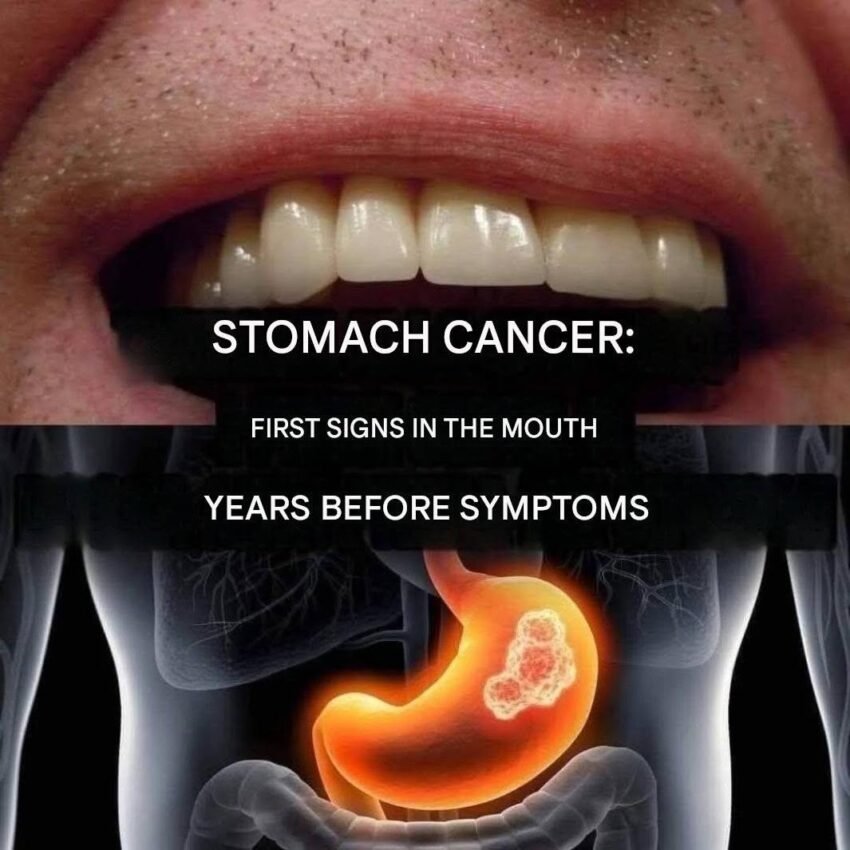
The Oral Warning: How Your Mouth Can Reveal Stomach Cancer Years Before Diagnosis
When we think about early cancer detection, our minds instantly drift to complex blood tests, invasive scans, or unexplained weight loss. We rarely think about looking in the bathroom mirror, opening wide, and inspecting our tongues and gums. Yet, the human body operates as an interconnected ecosystem where systemic disease often leaves subtle, overlooked footprints in our oral cavity long before a primary tumor rears its aggressive head.
Can your mouth really warn you about stomach cancer years in advance? The short answer is yes—though not in the way internet myths suggest. While an oral lesion won’t magically spell out a gastric diagnosis, emerging clinical insights reveal that chronic inflammatory markers, autoimmune responses, and subtle mucosal changes in the mouth frequently precede systemic cancers like gastric adenocarcinoma.
This deep dive explores the fascinating, scientifically backed connection between oral health anomalies and hidden stomach pathology, detailing the early warnings you cannot afford to ignore.
The Oral-Gut Axis: Why Your Mouth Mirrors Your Stomach
To understand how stomach cancer can manifest in the mouth years prior, we have to look at the oral-gut axis. The gastrointestinal tract is a continuous tube running from the lips to the rectum, populated by trillions of microorganisms collectively known as the microbiome.
Research published in gastroenterology and oncology journals highlights a profound link between specific oral pathogens—most notably Helicobacter pylori (the primary driver of stomach ulcers and gastric cancer) and Porphyromonas gingivalis (a key bacteria in chronic periodontal disease)—and upper GI malignancies. H. pylori, long thought to reside exclusively in the acidic environment of the stomach, has repeatedly been detected in dental plaque and saliva pockets.
When your immune system detects systemic stress, chronic inflammation, or precancerous changes in the stomach lining, it triggers inflammatory mediators that circulate throughout the body. The delicate tissues of the oral cavity—being thin, highly vascular, and constantly regenerating—are often the first to flash warning signs that something is profoundly out of balance deeper down the digestive tract.
The Primary Oral Red Flags Linked to Upper GI Distress
If you want to catch subtle systemic issues before they escalate, you need to recognize the specific oral manifestations that clinical practitioners watch for during routine dental and medical screenings.
1. Persistent, Non-Healing Aphthous Ulcers (Canker Sores)
We all get the occasional stress-induced canker sore. However, if you experience chronic, recurrent, or unusually stubborn mouth ulcers that refuse to heal within two to three weeks—especially when paired with chronic indigestion—it points to an immune system bogged down by systemic inflammation.
-
The Mechanism: Nutritional malabsorption caused by early, silent atrophic gastritis (thinning of the stomach lining) often starves the body of Vitamin B12, folate, and iron. One of the earliest clinical signs of these deficiencies is the breakdown of the oral mucosa, leading to painful, recurring ulcers.
2. Atrophic Glossitis (The “Bald” Tongue)
A healthy tongue is textured with tiny projections called papillae. When a tongue becomes smooth, glossy, bright red, and tender—a condition known clinically as atrophic glossitis—it is a classic textbook indicator of underlying systemic malabsorption.
-
The Mechanism: Years before a gastric tumor disrupts digestion significantly, chronic inflammation in the stomach reduces intrinsic factor production. This starves the body of key nutrients, causing the fast-growing cells of the tongue to atrophy, resulting in a slick, burning tongue surface.
3. Unexplained Chronic Halitosis (Bad Breath) Resistant to Hygiene
If your oral hygiene routine is immaculate—flossing, brushing, and scraping daily—yet a sulfur-like or metallic bad breath persists, the source is rarely local.
-
The Mechanism: Alterations in gastric motility and the proliferation of upper GI bacteria like H. pylori can cause volatile organic compounds to travel up the esophagus. This systemic off-gassing creates an internal halitosis that mouthwash simply cannot fix.
4. Oral Manifestations of Autoimmune Cross-Reactivity
Sometimes, a developing malignancy prompts the immune system to launch paraneoplastic syndromes—immune responses that attack healthy tissues, including the mouth. Conditions like recurrent burning mouth syndrome (BMS) or unexplained oral lichen planus (characterized by white, lacy patches on the inside of the cheeks) can occasionally serve as early, distant smoke signals for deep-seated visceral inflammation.
The Cultural Blind Spot: Why We Ignore Our Oral Health
In the United States, healthcare is frustratingly compartmentalized. We visit the dentist for our teeth and the primary care physician for our stomach, rarely connecting the dots between a bleeding gum line and a chronic digestive ache.
According to data from the Centers for Disease Control and Prevention (CDC) and dental health associations, millions of Americans skip bi-annual dental checkups, treating dentistry as a cosmetic luxury rather than an essential diagnostic frontier. Dentists are often the first healthcare professionals to spot systemic diseases—including leukoplakia, nutritional deficiencies, and early autoimmune markers—because they inspect tissue that doctors rarely examine.
Ignoring chronic oral symptoms, writing them off as “just stress” or “a bad batch of food,” allows silent gastrointestinal pathologies to progress unchecked from a localized irritation to an advanced-stage crisis.
Step-by-Step Guide: How to Audit Your Oral-Gut Health
If you want to stay ahead of silent risks and leverage early detection, adopt this practical, proactive evaluation framework.
-
Perform a Monthly Mucosal Check: Once a month, stand in bright light and inspect your entire mouth. Check the underside of your tongue, the insides of your cheeks, and your gums for unusual white patches, persistent redness, or chronic sores.
-
Track the Timeline of Symptoms: If you suffer from recurring canker sores or a burning tongue, log how frequently they appear. If they persist for months despite lifestyle and dietary adjustments, escalate the concern beyond a home remedy.
-
Connect the Digestive Dots: Cross-reference your oral symptoms with upper GI issues. Do you experience mild, frequent bloating, early satiety (feeling full after a few bites), or a nagging gnawing sensation in your upper abdomen after meals?
-
Schedule an Interdisciplinary Screening: Book an appointment with your dentist and explicitly mention any chronic oral changes alongside digestive symptoms. Request a referral for a comprehensive blood panel checking iron, ferritin, and B12 levels.
-
Screen for H. pylori If Warranted: If chronic gastritis or persistent oral anomalies run alongside upper abdominal discomfort, ask your physician about a non-invasive H. pylori breath or stool antigen test.
Comparative Analysis: Local Oral Issues vs. Systemic GI Warning Signs
| Symptom Characteristic | Common Dental / Local Cause | Systemic GI / Precancerous Indicator |
| Canker Sores | Accidental biting, sharp tooth edge, stress | Chronic B12/Iron deficiency from atrophic gastritis |
| Tongue Texture | Dehydration, localized allergic reaction | Atrophic glossitis driven by long-term malabsorption |
| Persistent Bad Breath | Periodontal disease, trapped food particles | Upper GI bacterial overgrowth (H. pylori) |
| Burning Mouth Sensation | Toothpaste chemical irritants, dry mouth | Autoimmune response / paraneoplastic nerve signaling |
Pros and Cons of Monitoring Oral Biomarkers for Systemic Health
Pros:
-
Non-Invasive Early Warning: Inspecting your mouth requires no needles or scans, offering an effortless first line of defense.
-
Holistic Health Awareness: Fosters a deeper connection between dental hygiene and overall physical vitality.
-
Actionable Window: Catches nutritional deficiencies and inflammatory states years before structural tumors form.
Cons:
-
High False-Positive Anxiety: Most mouth ulcers and tongue changes are benign or linked to minor stress, making it easy to jump to catastrophic conclusions.
-
Lack of Specificity: Oral symptoms point to general systemic inflammation and nutrient malabsorption, not exclusively stomach cancer.
-
Diagnostic Delay: Relying solely on oral signs without medical follow-up is dangerous; symptoms must be verified through clinical diagnostics like endoscopy.
Common Mistakes and How to Fix Them
-
Mistake 1: Treating Only the Symptom. Slathering numbing gel on a chronic mouth ulcer or popping mints for persistent bad breath without investigating the root cause.
-
The Fix: If an oral symptom lingers for more than three weeks, treat it as a medical data point rather than an annoyance. Look upstream at your digestion.
-
-
Mistake 2: Isolating Dental Care from Medical Care. Never mentioning your chronic stomach issues to your dentist, or your chronic mouth issues to your general practitioner.
-
The Fix: Bridge the gap. Share your complete health profile with both professionals so they can cross-examine overlapping inflammatory markers.
-
-
Mistake 3: Assuming Cancer Always Hurts Early. Believing that if you don’t feel excruciating pain, your digestive tract is entirely healthy.
-
The Fix: Understand that conditions like chronic gastritis and precancerous cellular changes are notoriously silent in their early stages, communicating only through subtle secondary markers like skin and oral shifts.
-
Expert-Level Insights: The Future of Salivary Diagnostics
Oncology researchers at leading research institutions are currently revolutionizing early cancer detection through salivary liquid biopsies. Because saliva contains circulating tumor DNA (ctDNA), microRNAs, and specific protein biomarkers shed from bodily tissues, scientists are developing chairside diagnostic tools that can detect gastric and esophageal cancer signatures from a simple saliva sample years before conventional imaging can spot a tumor.
Keeping your oral microbiome balanced through proper dental hygiene, reducing sugar intake, and addressing chronic gum inflammation isn’t just about saving your teeth—it is an active strategy to protect your entire gastrointestinal lining from hostile pathogenic takeovers.
Frequently Asked Questions
Can a dentist actually detect signs of stomach cancer?
While a dentist cannot diagnose stomach cancer strictly from looking at your teeth, they are uniquely trained to spot early warning signs of nutritional deficiencies, chronic inflammation, and unusual mucosal lesions. They can flag these abnormalities and recommend you see a gastroenterologist.
How common is it for stomach cancer to show symptoms in the mouth?
Direct tumor metastasis to the oral cavity is extremely rare. However, indirect oral symptoms caused by systemic inflammation, immune reactions, and vitamin deficiencies linked to early gastric pathology are much more common.
What specific vitamin deficiencies are tied to both stomach issues and mouth sores?
Vitamin B12, folate, and iron deficiencies are the most prominent bridge between stomach lining degradation (like chronic gastritis) and oral breakdowns like canker sores and atrophic glossitis.
Could my chronic bad breath really be linked to my stomach?
Yes. While 90% of bad breath originates from poor oral hygiene or gum disease, persistent halitosis that resists brushing can stem from upper gastrointestinal issues, acid reflux, or H. pylori overgrowth.
What is the best way to maintain a healthy oral-gut connection?
Maintain rigorous dental hygiene, consume a diet rich in prebiotics and probiotics to support a healthy microbiome, avoid smoking and excessive alcohol, and schedule annual physical blood panels to check your nutrient levels.
Are mouth ulcers dangerous?
Most mouth ulcers are entirely harmless and heal within 14 days. The danger lies exclusively in chronicity—sores that refuse to heal, recur constantly, or appear alongside unexplained fatigue and digestive distress.
How does H. pylori connect oral health to stomach cancer?
H. pylori can colonize the oral cavity, acting as a persistent reservoir that continually re-infects the stomach. Over decades, untreated H. pylori causes chronic inflammation, cellular mutation, and significantly elevated gastric cancer risks.
When should I panic versus when should I schedule a routine checkup?
Never panic. Instead, look for clusters of symptoms. If you have a mouth sore that won’t heal plus unexplained bloating, weight loss, or persistent indigestion, skip the panic and book an appointment with a physician for a thorough evaluation.
Your mouth is an open window into your body’s deepest physiological systems. By paying attention to the subtle, early signals flashing across your gums and tongue, you can catch systemic imbalances years before they turn into critical medical emergencies.