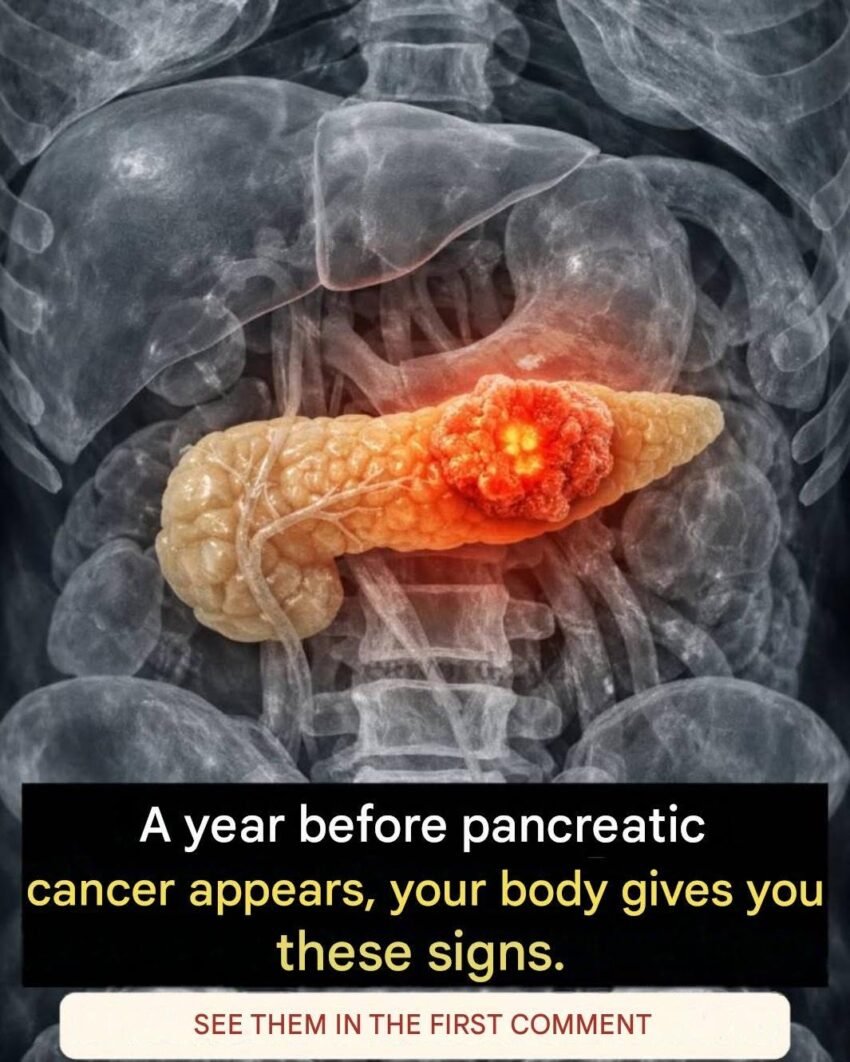
The Silent Whispers: Early Signs of Pancreatic Cancer Oncologists Urge You Not to Ignore
Pancreatic cancer is widely considered one of medicine’s most formidable foes. Often referred to as a “silent killer,” it earned this grim reputation because early-stage tumors typically develop deep within the abdominal cavity without triggering obvious alarm bells. By the time classic, unmistakable symptoms appear, the disease has frequently advanced past its early, most treatable window.
Yet, medical researchers and clinical oncologists emphasize that the pancreas is rarely completely silent. Months—and sometimes years—before a formal diagnosis, a developing tumor begins throwing off subtle systemic flares. These early signals are frequently misattributed to everyday stress, normal aging, or common digestive quirks. Recognizing these muted warnings can open a critical window for early detection.
The Anatomy of Silence: Why Early Symptoms Are Overlooked
To understand why pancreatic cancer hides so effectively, look at the organ’s anatomy. Tucked deep behind the stomach, liver, and spleen, the pancreas is roughly six inches long and shaped like a flat fish. It performs two critical jobs: producing digestive enzymes (exocrine function) and regulating blood sugar via insulin production (endocrine function).
Because the organ is small, deeply embedded, and lacks a thick outer layer of pain-sensitive nerve endings, a small tumor can grow unhindered for a long time. When symptoms do surface early on, they are usually indirect consequences of the pancreas struggling to process nutrients, manage blood sugar, or clear metabolic waste through the adjacent bile ducts.
The 5 Early Red Flags You Should Never Dismiss
While many everyday conditions mimic these symptoms, medical specialists highlight five specific patterns that warrant urgent investigation when they appear out of nowhere.
1. Unexplained, Rapid Weight Loss Without Dieting Dropping pounds without changing your diet or exercise routine is often celebrated as a stroke of luck, but clinically, it is one of the most reliable early indicators of upper gastrointestinal distress.
-
The Mechanism: When a tumor disrupts the pancreas’s ability to produce digestive enzymes, your body stops absorbing fats and nutrients efficiently. Simultaneously, cancer cells ramp up the body’s baseline energy consumption. If you lose more than 5% to 10% of your body weight unintentionally over a few months, investigate the internal cause.
2. New-Onset Type 2 Diabetes in Older Adults Developing adult-onset diabetes is common, but a sudden diagnosis in someone over 50 who lacks standard risk factors (such as significant obesity or strong family history) is a major clinical red flag.
-
The Mechanism: The pancreas contains the beta cells responsible for insulin creation. A localized tumor can damage these insulin-making cells, causing sudden blood sugar spikes, unquenchable thirst, or frequent urination long before other physical symptoms develop.
3. Vague, Dull Upper Abdominal and Mid-Back Pain Early pancreatic pain rarely feels like a sharp cramp. Instead, patients frequently describe it as a persistent, dull ache radiating from the upper abdomen straight through to the middle of the back.
-
The Mechanism: As a tumor grows in the body or tail of the pancreas, it begins pressing against surrounding nerve plexuses or organs. This pain often worsens after eating or when lying flat on your back, sometimes temporarily easing only when you lean forward.
4. Unprovoked Jaundice (Yellowing of Skin and Eyes) If your skin or the whites of your eyes develop a yellow tint—accompanied by unusually dark, tea-colored urine and pale, clay-colored stools—it is a glaring emergency signal.
-
The Mechanism: Cancers originating in the head of the pancreas sit directly adjacent to the common bile duct. Even a small tumor can block this duct, preventing liver bile from draining into the intestines and forcing bilirubin to back up into the bloodstream.
5. Persistent, Debilitating Fatigue and Digestive Changes We all feel tired from a demanding work week, but cancer-related fatigue does not improve with rest or a good night’s sleep. Paired with persistent nausea, floating or greasy stools (steatorrhea) due to unabsorbed fats, or an early feeling of fullness after eating just a few bites, this deep-seated exhaustion points to systemic metabolic distress.
Who Is Most at Risk?
Understanding your personal risk profile helps you and your physician determine how aggressively to investigate persistent symptoms. Key risk markers include:
-
Age: The vast majority of diagnoses occur in adults over the age of 60.
-
Smoking: Tobacco use doubles the risk of developing pancreatic cancer compared to non-smokers.
-
Family History: Having a genetic predisposition or a close blood relative who battled pancreatic, ovarian, or breast cancer elevates lifetime risk.
-
Chronic Conditions: Long-standing chronic pancreatitis or long-term type 2 diabetes.
Step-by-Step Guide: How to Advocate for Your Health
If you notice persistent, unexplained clusters of these warning steps, take a structured, proactive approach to your medical care.
-
Keep a 14-Day Symptom Timeline: Document when your symptoms started, how frequently they occur, and whether food or rest alters them.
-
Schedule a Primary Care Consultation: Bring your timeline to your doctor. Clearly communicate that you are looking to rule out upper gastrointestinal and pancreatic issues.
-
Request Comprehensive Blood Panels: Ask for liver function tests, complete metabolic panels, and hemoglobin A1c checks to look for unexplained blood sugar or bile flow anomalies.
-
Push for Diagnostic Imaging: If symptoms persist and blood work is ambiguous, advocate for a specialized diagnostic imaging scan, such as a contrast-enhanced CT scan of the abdomen or an endoscopic ultrasound (EUS).
-
Seek a Specialist Referral: If initial scans show abnormalities or if your symptoms remain unexplained despite ongoing pain and weight loss, request a referral to a gastroenterologist or an oncologist.
Comparative Analysis: Common Misdiagnoses vs. Pancreatic Warnings
| Symptom | Common Benign Cause | Pancreatic Cancer Indicator |
| Abdominal Pain | Acid reflux, gastritis, muscle strain | Persistent dull ache radiating through to the back |
| Weight Loss | Intentional dieting, thyroid shifts | Unexplained dropping of pounds despite normal eating |
| New Diabetes | Lifestyle factors, standard adult-onset | Sudden blood sugar spikes in older, healthy adults |
| Digestive Issues | Irritable Bowel Syndrome (IBS), food sensitivity | Greasy, pale stools paired with early satiety |
Common Mistakes and How to Avoid Them
-
Mistake 1: Treating Only the Surface Symptom. Popping daily antacids for persistent indigestion or back pain without searching for an underlying structural cause.
-
The Fix: Treat any digestive symptom that lasts longer than two weeks without responding to standard over-the-counter remedies as a data point requiring medical review.
-
-
Mistake 2: Assuming You Are “Too Young.” Dismissing warning signs because you are under 50.
-
The Fix: While age is a major factor, pancreatic cancer can occur at any age. Trust your body over statistical averages.
-
-
Mistake 3: Accepting Vague Dismissals. Allowing a physician to brush off rapid, unexplained weight loss and fatigue as simple stress.
-
The Fix: Be your own fierce advocate. Ask direct diagnostic questions and request imaging if your symptoms do not resolve.
-
Frequently Asked Questions
Can routine blood work detect early pancreatic cancer? Standard blood panels cannot directly see a tumor, but they can flag vital warning signs such as elevated liver enzymes, unexplained anemia, or unexpected blood sugar spikes that prompt doctors to order targeted imaging.
Why is pancreatic cancer so hard to catch early? The pancreas is located deep inside the abdomen, hidden behind other organs, and early-stage tumors rarely produce distinct pain or symptoms until they grow large enough to press on surrounding nerves or ducts.
Is new-onset diabetes always a sign of cancer? No. The vast majority of type 2 diabetes cases are entirely unrelated to cancer and stem from lifestyle, genetics, and metabolic factors. However, sudden-onset diabetes in older, lean adults warrants careful screening.
What imaging test is best for finding pancreatic tumors? A high-resolution, contrast-enhanced CT scan of the abdomen or an endoscopic ultrasound (EUS) are considered the gold standard imaging modalities for visualizing the pancreas clearly.
Can lifestyle choices lower my risk of pancreatic cancer? Yes. Quitting smoking, maintaining a healthy body weight, eating a nutrient-dense diet rich in vegetables, and limiting heavy alcohol consumption significantly lower overall cancer risks.
What does pancreatic pain feel like? Patients typically describe it as a dull, gnawing pressure in the upper abdomen that bores straight through to the middle of the back. It often worsens after eating or when lying flat.
Are there screening tests available for everyone? Routine population-wide screening for pancreatic cancer does not currently exist. However, specialized surveillance programs using MRI and endoscopic ultrasound are available for individuals with high-risk genetic mutations or strong family histories.
What should I do if my doctor dismisses my concerns? If your symptoms persist and you feel unheard, do not hesitate to seek a second opinion from a gastroenterologist or a major medical center specializing in digestive health.
Your body communicates distress long before a crisis occurs. By paying attention to persistent, unexplained shifts in your weight, digestion, blood sugar, and back comfort, you can break through the silence and take control of your long-term health.