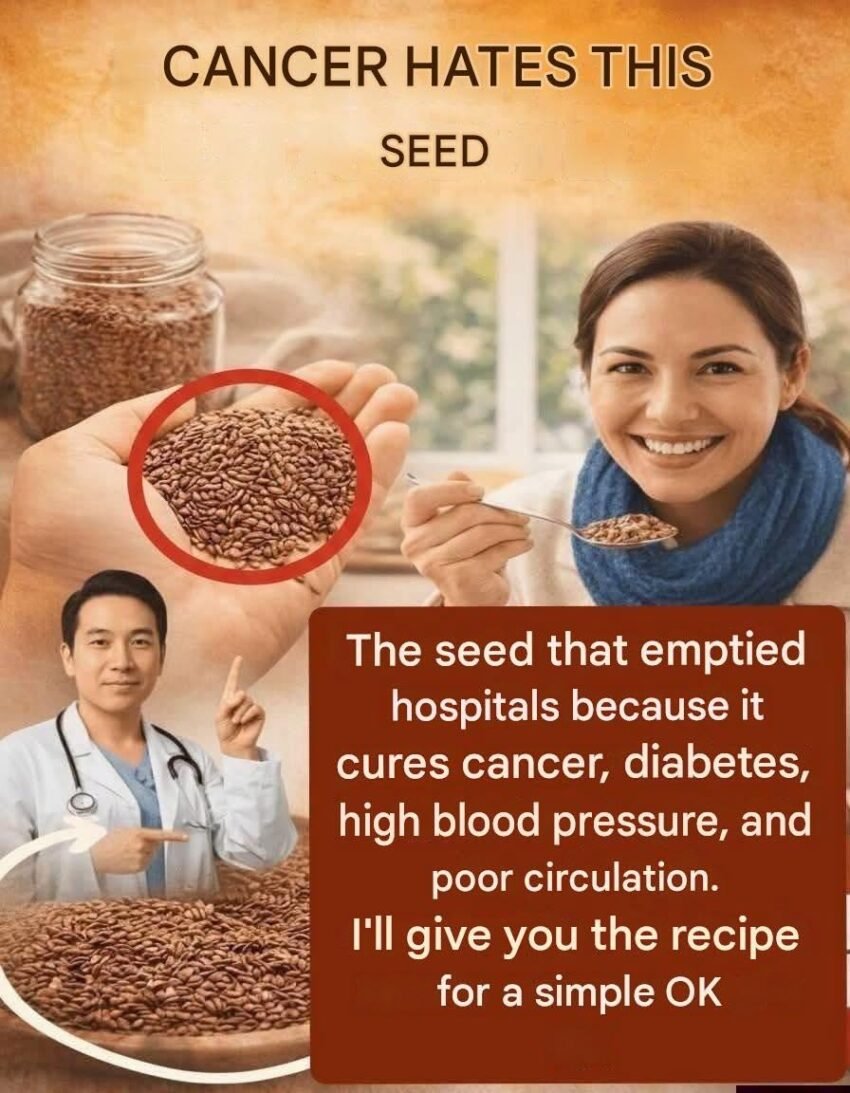
The Myth of Miracle Cures: Unpacking the Hype Around Seed Remedies
Scroll through social media or wellness forums, and you will inevitably encounter sensationalized claims promising that a cheap kitchen ingredient can cure chronic illness overnight. Hyper-charged headlines declaring that specific seeds can “destroy even the deadliest disease” spread fast because they tap into a deeply human desire for simple, accessible healing.
Yet, medical science operates on a different standard of proof than online marketing. While certain seeds offer rich nutritional profiles and supportive health benefits, treating them as miracle eradicators of complex pathologies like cancer, cardiovascular disease, or autoimmune disorders is scientifically unfounded and potentially dangerous.
The Nutritional Powerhouse: What Seeds Actually Do
To understand why seeds are good for you without falling for exaggerated claims, look at their biological purpose. Seeds are dense packages of nutrients designed to sprout a new plant, meaning they are packed with concentrated proteins, healthy fats, minerals, and defense compounds.
-
Healthy Fats (Omega-3s and Omega-6s): Seeds like flax, chia, and hemp provide essential fatty acids that support cellular membrane health and help modulate inflammatory pathways.
-
Dietary Fiber: The insoluble and soluble fiber found in seeds feeds the gut microbiome, supports regular digestion, and aids in regulating cholesterol and blood sugar levels.
-
Antioxidants and Phytochemicals: Compounds like lignans in flaxseeds or thymoquinone in black cumin seeds act as antioxidants, helping neutralize free radicals that cause oxidative cellular stress.
These properties make seeds an excellent addition to a balanced diet, but supporting general wellness is a far cry from destroying “deadliest diseases.”
The Dangerous Appeal of Miracle Cure Culture
When wellness influencers market seeds or natural extracts as absolute disease eradicators, it creates several severe clinical risks:
-
Delaying Evidence-Based Treatment: Patients diagnosed with aggressive conditions like cancer or advanced heart disease may delay or abandon proven, life-saving medical interventions (such as chemotherapy, surgery, or targeted pharmacotherapy) in favor of unproven dietary protocols.
-
The Fallacy of Reductionism: Complex diseases involve multifactorial genetics, cellular mutations, and environmental triggers. No single food item can reverse complex systemic pathologies on its own.
-
Exploitation of Vulnerability: Exaggerated claims prey on individuals who feel failed by conventional medicine or overwhelmed by chronic illness diagnoses, offering false hope packaged in supplement sales.
Step-by-Step Guide: How to Incorporate Seeds Wisely Into Your Diet
Instead of looking for a mythical cure-all, use seeds for what they are: powerful nutritional enhancements that support a healthy lifestyle.
-
Prioritize Variety: Rotate different seeds into your daily meals—such as chia seeds in your yogurt, ground flax in your oatmeal, or pumpkin seeds on your salads—to capture a diverse spectrum of nutrients.
-
Grind Flaxseeds for Absorption: Whole flaxseeds often pass through the human digestive tract unabsorbed. Grind them fresh to unlock their bioavailable omega-3 fatty acids and lignans.
-
Maintain Realistic Expectations: View seeds as nutritional fuel that supports your metabolic health, not as a replacement for pharmaceuticals, screenings, or doctor visits.
-
Consult Your Medical Team: If you take blood thinners or specialized medications, consult your physician before adding concentrated seed extracts or high-dose supplements to your routine, as some seeds can interact with drug absorption.
Comparative Analysis: Scientific Reality vs. Internet Myth
| Metric | The Internet “Cure-All” Myth | The Evidence-Based Reality |
| Mechanism | Mystical compounds that instantly “destroy” cancer cells or pathogens | Provides dietary fiber, antioxidants, and healthy fats that support general metabolic function |
| Disease Impact | Claims to reverse terminal illnesses single-handedly | Helps lower chronic inflammation and oxidative stress as part of a broader healthy lifestyle |
| Safety Profile | Often treats natural foods as having zero side effects or contraindications | Can cause digestive distress if overconsumed or interact with certain medications |
Common Mistakes and How to Avoid Them
-
Mistake 1: Replacing Medical Care with Dietary Hacks. Stopping prescribed treatments because an online blog claims a specific seed cures a major disease.
-
The Fix: Always treat nutrition as a complement to modern medicine, never a substitution for oncological, cardiological, or primary care interventions.
-
-
Mistake 2: Assuming “Natural” Means Risk-Free. Consuming massive, unregulated quantities of concentrated seed oils or herbal extracts.
-
The Fix: Moderation is key. Whole foods consumed as part of balanced meals are safe; high-dose, unregulated extracts can stress your liver or kidneys.
-
Frequently Asked Questions
Can black seed oil (Nigella sativa) cure cancer? While laboratory and animal studies show that compounds in black cumin seeds have antioxidant and anti-tumor properties in vitro, there is no robust clinical trial data proving that consuming them cures cancer in humans.
Are chia seeds better than flaxseeds? Neither is universally “better.” Chia seeds offer higher calcium and structural fiber, while flaxseeds are superior sources of plant-based omega-3 fatty acids (ALA) and lignans. Incorporating both provides optimal variety.
Why do catchy headlines about superfoods spread so easily? Human beings naturally crave simple, low-cost solutions to complex fears like illness and aging. Clickbait headlines exploit this psychological vulnerability for views and product sales.
What is the best way to consume seeds for maximum benefit? Eating them whole or freshly ground as part of a fiber-rich, whole-food diet ensures your body absorbs their nutrients efficiently while supporting a healthy gut microbiome.
Real health is built on consistent, boring habits—balanced nutrition, regular movement, proper sleep, and evidence-based medical care. Skip the miracle cure hype, enjoy seeds for their legitimate nutritional value, and always trust verified science over sensationalized internet claims.