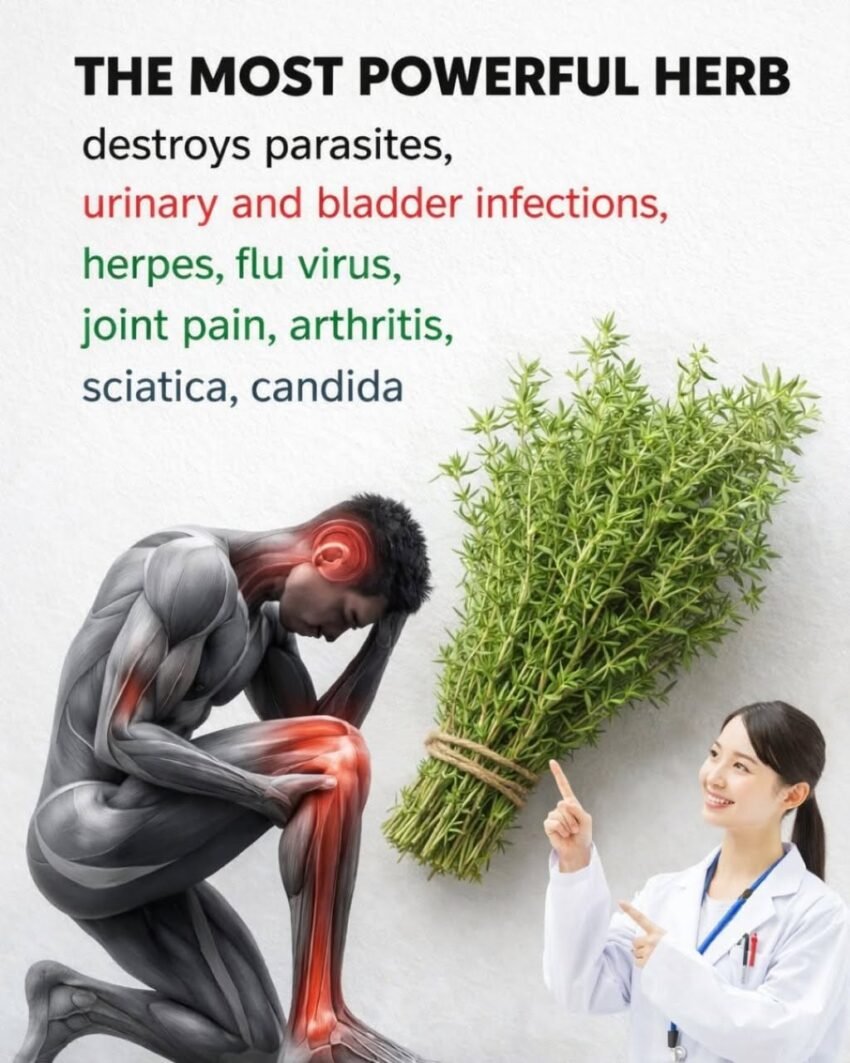
The Green Pharmacy Myth: Unpacking the Hype Around “Miracle” Herbal Cures
Internet wellness spaces love a silver bullet. Scroll through social media feeds or alternative health blogs, and you will routinely encounter sensationalized headlines claiming that a single, obscure herb can cure everything from viral infections and stubborn parasites to arthritis, candida, and herpes.
The promise is intoxicatingly simple: instead of dealing with complex medical diagnoses, co-pays, and prescription medications, you just brew a bitter tea or swallow an exotic tincture to wipe out half a dozen unrelated pathologies overnight.
Unfortunately, human biology does not work like a Hollywood action movie. While botanicals have served as the foundation of pharmacology for millennia, no single plant possesses the magical capacity to eradicate such a vast, disparate array of medical conditions.
The Biological Reality: Why One Herb Can’t Cure Everything
To understand why sweeping health claims are scientifically impossible, you have to look at the sheer diversity of the conditions listed:
-
Infectious Pathogens: Parasites, the flu virus, and herpes operate through completely different biological mechanisms. A compound that disrupts a parasitic worm’s cellular wall has no structural effect on an encapsulated viral capsid like the influenza virus, nor does it suppress a latent herpes simplex viral genome residing inside nerve ganglia.
-
Systemic and Inflammatory Disorders: Conditions like osteoarthritis, sciatica, and candida overgrowth involve chronic tissue degeneration, structural nerve compression, and fungal biology. Treating them requires targeted anti-inflammatory pathways, physical rehabilitation, or specific antifungal pharmacotherapy—not a generic plant extract.
While certain herbs possess studied antimicrobial, antioxidant, or anti-inflammatory properties, translating a promising laboratory petri-dish experiment into a whole-body cure is a massive scientific leap.
Popular Medicinal Herbs and What They Actually Do
Several potent botanicals are frequently marketed under exaggerated “cure-all” headlines. Here is what clinical research actually shows they can do:
1. Oregano Oil
-
The Hype: Marketed as a natural antibiotic that destroys parasites, viruses, and candida.
-
The Reality: Oregano oil contains carvacrol and thymol, which exhibit strong antifungal and antibacterial properties in vitro (in test tubes). However, human clinical trials demonstrating safe, systemic eradication of internal parasites or systemic viruses are lacking. Concentrated oil can also irritate the digestive lining if misused.
2. Garlic (Allium sativum)
-
The Hype: Touted as an ultimate destroyer of infections and joint inflammation.
-
The Reality: Raw garlic contains allicin, a natural antimicrobial compound that supports immune function and fights certain gut bacteria. While wonderful for general wellness and metabolic support, it does not cure arthritis or eradicate viral infections like influenza.
3. Cat’s Claw or Turmeric
-
The Hype: Promoted as miracle cures for joint pain, arthritis, and sciatica.
-
The Reality: Both are potent natural anti-inflammatories. Curcumin (from turmeric) can help manage osteoarthritis joint pain by downregulating inflammatory cytokines, but it does not reverse structural joint damage or cure nerve compression syndromes like sciatica.
Step-by-Step Guide: How to Safely Evaluate Herbal Remedies
Before adding concentrated herbal supplements or aggressive cleanses to your routine, use this critical framework to protect your health:
-
Check for Scientific Backing: Look for human clinical trials (double-blind, placebo-controlled studies), not just animal models or test-tube assays.
-
Consult Your Pharmacist or Doctor: Many powerful herbs interact dangerously with common prescription medications. For example, St. John’s wort interferes with birth control and antidepressants, while high-dose garlic extracts can amplify blood thinners.
-
Assess the Dosage and Quality: Herbal supplements are not tightly regulated before hitting store shelves. Look for third-party testing certifications (like USP or NSF) to ensure purity and accurate dosing.
-
Treat Herbs as Support, Not Substitutes: View botanicals as complementary wellness tools that support a healthy lifestyle, never as replacements for evidence-based medical treatments for serious infections or chronic disease.
Comparative Analysis: Sensationalized Claims vs. Clinical Reality
| Metric | The Internet “Miracle Herb” Myth | The Evidence-Based Reality |
| Mechanism | A single plant magically “destroys” unrelated viruses, parasites, and fungi | Provides mild antioxidant, antimicrobial, or anti-inflammatory support |
| Target Specificity | Claims to cure everything from sciatica to herpes simultaneously | Specific conditions require targeted, distinct medical interventions |
| Safety Profile | Often assumed to be 100% safe because it is “natural” | Can cause organ stress, digestive upset, or severe drug interactions |
Common Mistakes and How to Avoid Them
-
Mistake 1: Abandoning Medical Care for a Herbal Protocol. Stopping prescribed antiviral medications, antibiotics, or pain management plans because an online blog claimed a specific herb is superior.
-
The Fix: Always maintain your core medical treatments. Discuss any complementary herbs you wish to try with your primary care provider first.
-
-
Mistake 2: Assuming “Natural” Means No Side Effects. Downing large quantities of potent essential oils or concentrated herbal extracts.
-
The Fix: Arsenic and nightshade are natural, too. Respect the potency of botanicals; high doses can tax your liver and kidneys.
-
Frequently Asked Questions
Can natural herbs help prevent the flu?
Certain herbs like elderberry or echinacea may offer mild immune support and slightly shorten the duration of cold symptoms when taken early, but they do not replace standard preventative measures like proper hygiene or vaccination.
Are herbal remedies regulated by the FDA?
In many regions, herbal supplements are regulated as foods or dietary supplements rather than drugs. This means manufacturers are not required to prove efficacy or safety through rigorous clinical trials before selling them to consumers.
Can diet and herbs clear a candida overgrowth?
Dietary changes—such as reducing refined sugars and processed carbohydrates that feed yeast—combined with targeted antifungals can help manage candida symptoms, but it requires a structured clinical approach rather than a quick-fix tonic.
Real health is built on consistent habits—nourishing whole foods, proper hydration, restorative sleep, and evidence-based medicine. Skip the miracle cure hype, respect the genuine therapeutic value of medicinal plants, and always trust verified science over sensationalized internet claims.