The Ultimate Guide to Authentic Malabar Parotta (Kerala Style)
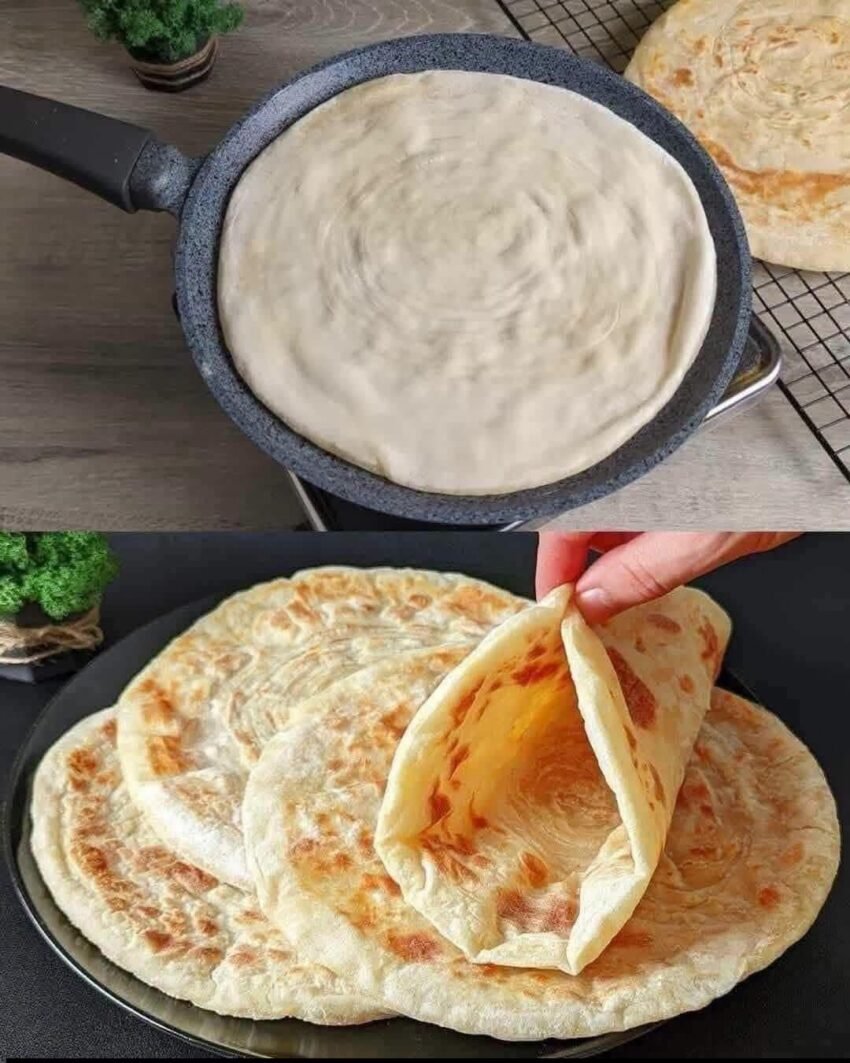
There is little in the culinary world quite as satisfying as tearing into a freshly made Malabar parotta. With its golden, crispy exterior and hundreds of soft, feather-light, buttery layers, this South Indian flatbread is a masterpiece of texture.
While street vendors in Kerala effortlessly whip and stretch the dough through the air into translucent sheets, you can achieve that exact same flaky, restaurant-quality perfection right in your home kitchen.
Ingredients List
-
All-Purpose Flour (Maida): 3 cups (approx. 400g) — essential for the gluten elasticity required for stretching.
-
Sugar: 1 tablespoon — helps with browning and tenderizing the dough.
-
Salt: 1 teaspoon
-
Warm Milk: ¼ cup — adds softness and richness.
-
Warm Water: ½ to ¾ cup — added gradually for kneading.
-
Neutral Oil or Ghee: 3 to 4 tablespoons (plus extra for coating and cooking) — the secret to creating distinct, non-stick layers.
Step-by-Step Instructions
1. Kneading the Dough
-
In a large mixing bowl, combine the all-purpose flour, sugar, and salt.
-
Pour in the warm milk and gradually add the warm water. Mix until a shaggy dough forms.
-
Turn the dough out onto a clean counter and knead aggressively for 10 to 12 minutes. Use the heel of your palm to stretch and push the dough away, then fold it back. This builds the gluten network.
-
Once smooth, elastic, and slightly tacky, shape the dough into a tight ball. Coat it generously with a tablespoon of oil, place it in a bowl, cover it with a damp cloth, and let it rest for at least 1 to 2 hours. (Resting is non-negotiable; it relaxes the gluten so it stretches without tearing).
2. Portioning and Resting
-
Divide the rested dough into 5 or 6 equal portions. Roll each portion tightly between your palms into smooth, flawless balls.
-
Place the balls in a tray, submerge or coat them generously in oil, cover again, and let them rest for another 20 to 30 minutes.
3. The Pleating and Layering Technique
-
Oil your work surface generously. Take one dough ball and press it flat using your oiled palms.
-
Roll and stretch the dough outward into a very thin, almost translucent large disc. (Don’t worry if it tears slightly; just keep stretching).
-
To create layers: Gather the stretched sheet from one end, folding it back and forth like a paper fan (pleating) into a long ribbon.
-
Coil the pleated ribbon into a tight spiral, tucking the tail end underneath. Repeat for all balls and let the spirals rest for 15 minutes.
4. Rolling and Cooking
-
Gently press each spiral flat with your palm or use a rolling pin to roll it out into a 6-inch disc (keep it about ¼-inch thick so the layers don’t fuse together).
-
Heat a cast-iron skillet (tawa) over medium-high heat.
-
Place the parotta onto the hot, dry pan. Cook for 30 seconds until bubbles appear, then flip.
-
Drizzle a teaspoon of oil or ghee around the edges and over the surface. Flip and cook, pressing gently with a spatula, until both sides are golden brown and crisp.
5. The Crushing Step (The Secret Finishing Touch)
-
Remove the hot parotta from the skillet and immediately place it on a clean board or plate.
-
While it is piping hot, cup your hands on either side of the parotta and clap or crush it inwards aggressively. This forces the internal layers to separate, creating that iconic fluffy, shredded texture.
Comparative Analysis: Standard Flatbreads vs. Malabar Parotta
Common Mistakes and How to Avoid Them
-
Mistake 1: Skipping the Resting Stages. Trying to roll or stretch the dough right after kneading, causing it to snap back and tear.
-
The Fix: Respect the rest times. Gluten needs time to relax so the dough behaves like elastic fabric.
-
-
Mistake 2: Forgetting to “Crush” It at the End. Serving the parotta flat straight off the skillet without breaking the layers apart.
-
The Fix: Always clap or crush the parotta between your hands while it is still steaming hot to release the signature flaky layers.
-
Frequently Asked Questions
Can I make Malabar parotta with whole wheat flour? You can make a whole wheat variant (often called Laccha Paratha), but traditional Malabar parotta requires refined maida flour. Whole wheat lacks the high gluten elasticity needed to stretch the dough paper-thin without breaking.
What is the best curry to serve with parotta? Malabar parottas pair exceptionally well with rich, spicy gravies, including Kerala-style chicken curry, mutton stew, beef fry, or a robust vegetable korma.
Making authentic Malabar parotta takes a little patience and a generous hand with oil, but the reward is unmatched. Master the dough rest and the final hot-crush technique, and you’ll never buy frozen parottas again.