Hair Dyes and Breast Cancer Risk: What a Landmark NIH Study Really Found
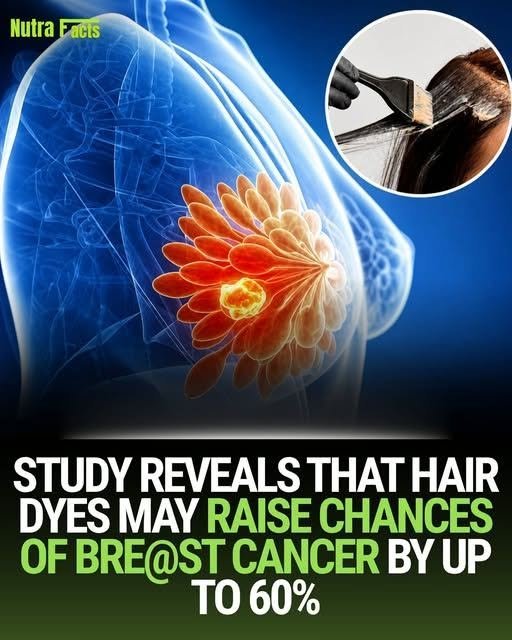
Headlines warning that hair dyes can raise breast cancer risk by up to 60% sparked widespread concern among women worldwide. Published by researchers at the National Institutes of Health (NIH), the study examined the connection between chemical hair products and cancer development, shedding light on a long-debated health topic.
Understanding what these statistics mean requires looking past the shocking percentages to examine the methodology, demographic breakdowns, and real-world implications.
Breaking Down the Landmark NIH Study
The research, led by scientists at the National Institute of Environmental Health Sciences (NIEHS) as part of the prominent “Sister Study,” tracked nearly 46,709 women between the ages of 35 and 74 over an average of eight years. All participants had a sister diagnosed with breast cancer, making them an at-risk cohort.
When evaluating the general population of women in the study, using permanent hair dyes in the year prior to enrollment was associated with a modest 9% overall increase in breast cancer risk. However, the data shifted significantly when researchers analyzed specific demographics and usage frequencies, producing the widely cited higher figures.
Where the 60% Figure Comes From
The statistics regarding the increased risk varied heavily depending on race and application frequency:
-
Frequency Matters: For Black women who used permanent hair dyes every five to eight weeks or more frequently, data analysis revealed a 60% increased risk of developing breast cancer.
-
General Racial Disparities: Across the entire study cohort, regular use of permanent dye was linked to a 45% increased risk in Black women, compared to a 7% increased risk in white women.
-
Chemical Straighteners: The study also evaluated chemical relaxers and straighteners, linking regular use to an overall 18% higher risk of breast cancer, with frequency driving higher probability.
Why the Chemicals Pose a Risk
Hair dyes and chemical straighteners contain thousands of chemical compounds, including endocrine-disrupting chemicals (EDCs) and potential xenoestrogens. Because the scalp is highly vascular and absorbs chemicals easily, these substances can mimic or interfere with natural hormones like estrogen.
Hormone receptor-positive breast cancers are sensitive to estrogen exposure, which explains why prolonged, routine exposure to endocrine-disrupting formulas over many years theoretically elevates oncological risks. Furthermore, researchers noted that certain hair care formulations marketed predominantly to women of color historically contained higher concentrations of hormonally active compounds.
Putting Relative Risk Into Perspective
While a 60% relative risk increase sounds alarming, epidemiologists emphasize the distinction between relative risk and absolute risk.
If a demographic’s baseline lifetime risk of developing breast cancer is roughly 13% (or 1 in 8 women), a 45% to 60% relative increase alters that individual numerical probability, but it does not mean a majority of frequent hair dye users will contract the disease. Multifactorial elements—including genetics, lifestyle, alcohol consumption, reproductive history, and overall metabolic health—play a far larger role in individual cancer development.
Safer Alternatives and Modern Choices
For individuals who want to minimize chemical exposure without giving up hair coloring entirely, several proactive adjustments can help:
-
Switch to Semi-Permanent or Natural Dyes: Studies indicate little to no association between semi-permanent or temporary hair dyes and breast cancer risk because they lack the harsh chemical penetrants found in permanent formulas.
-
Opt for Plant-Based Formulations: Explore ammonia-free, paraben-free, and certified organic hair color alternatives that avoid coal-tar derivatives and heavy endocrine disruptors.
-
Extend Time Between Touch-Ups: Reducing the frequency of chemical treatments from every 4 weeks to less frequently drastically lowers cumulative exposure.
-
Professional Application vs. Self-Application: Ensuring proper ventilation or having a professional apply treatments can reduce direct skin absorption risks.
Hair dye is not an immediate or guaranteed catalyst for cancer, but large-scale observational data highlights the need for greater transparency regarding personal care product safety. Being mindful of cumulative chemical exposure empowers you to make informed, health-conscious choices for your long-term wellness.