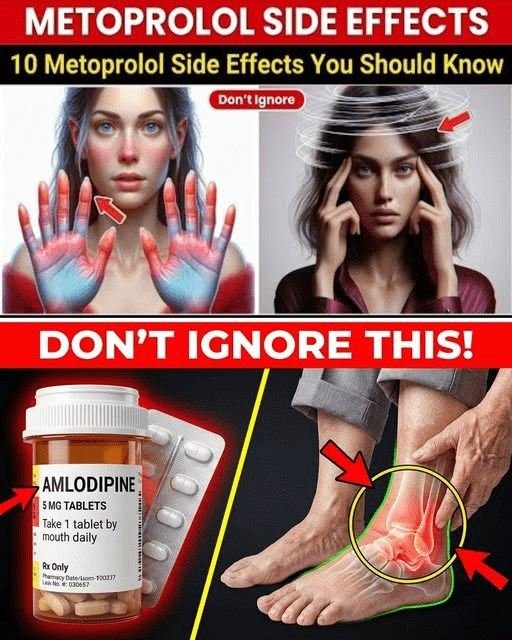
The 10 Metoprolol Side Effects You Should Know
Metoprolol is a common heart medication, but it comes with potential side effects. Learn the 10 most important ones and how to manage them safely.
Introduction: Why You Should Know About Metoprolol Side Effects
Metoprolol is a beta-blocker commonly prescribed for high blood pressure, heart rhythm disorders, and heart disease prevention. While it’s effective, like any medication, it can produce side effects that range from mild to serious.
“Many people take Metoprolol without knowing the potential warning signs. Being informed can help you stay safe and manage your health effectively.”
In this article, you’ll learn:
-
The 10 most common and significant Metoprolol side effects
-
How to identify and respond to them
-
Tips for safer use and discussions with your doctor
1. Fatigue or Tiredness
-
Why it happens: Metoprolol slows the heart rate and reduces cardiac output, which can make some people feel unusually tired.
-
What to do:
-
Take the medication at bedtime if approved by your doctor.
-
Avoid sudden increases in physical activity until your body adjusts.
-
2. Dizziness or Lightheadedness
-
Why it happens: Lowered blood pressure can cause dizziness, especially when standing quickly.
-
What to do:
-
Rise slowly from sitting or lying positions.
-
Stay hydrated to support blood pressure.
-
3. Slow Heart Rate (Bradycardia)
-
Why it happens: Beta-blockers decrease heart rate.
-
Red flags: Heart rate below 50 bpm, fainting, or extreme fatigue.
-
What to do: Report severe or persistent bradycardia to your healthcare provider immediately.
4. Cold Hands or Feet
-
Why it happens: Reduced blood flow to extremities is a common side effect.
-
What to do:
-
Wear warm gloves and socks.
-
Discuss with your doctor if circulation problems worsen.
-
5. Gastrointestinal Issues
-
Why it happens: Nausea, vomiting, diarrhea, or stomach cramps may occur.
-
What to do:
-
Take Metoprolol with food to reduce stomach upset.
-
Stay hydrated and monitor symptoms.
-
6. Shortness of Breath or Wheezing
-
Why it happens: Beta-blockers can sometimes affect lung function, especially in people with asthma or COPD.
-
What to do:
-
Seek medical attention immediately if you experience difficulty breathing.
-
Your doctor may adjust the dose or prescribe a different medication.
-
7. Sleep Disturbances
-
Why it happens: Some people report insomnia, vivid dreams, or nightmares.
-
What to do:
-
Take medication earlier in the day if recommended.
-
Maintain a calming bedtime routine.
-
8. Swelling in Legs or Ankles (Edema)
-
Why it happens: Changes in circulation can sometimes lead to fluid retention.
-
What to do:
-
Elevate your legs when resting.
-
Notify your doctor if swelling persists or worsens.
-
9. Mood Changes
-
Why it happens: Some beta-blockers may affect mood, leading to depression or anxiety in rare cases.
-
What to do:
-
Monitor mental health.
-
Seek professional help if mood changes interfere with daily life.
-
10. Sexual Dysfunction
-
Why it happens: Reduced blood flow and hormonal changes can lead to decreased libido or erectile difficulties.
-
What to do:
-
Discuss openly with your healthcare provider; alternative treatments may be available.
-
When to Seek Immediate Medical Attention
-
Severe dizziness, fainting, or chest pain
-
Extreme shortness of breath
-
Rapid or irregular heartbeat
-
Swelling that worsens suddenly
These could indicate a serious reaction and require urgent medical care.
Tips for Managing Metoprolol Side Effects
-
Never stop abruptly: Sudden discontinuation can trigger heart complications.
-
Regular monitoring: Track blood pressure, heart rate, and symptoms.
-
Lifestyle support: Exercise, healthy diet, and stress management can reduce side effects.
-
Open communication: Discuss any concerns with your doctor—they may adjust the dose or switch medications.
Frequently Asked Questions
Q1: Can I take Metoprolol with other medications?
Yes, but always check with your doctor or pharmacist to avoid interactions.
Q2: How long do side effects last?
Mild effects often resolve in a few weeks as your body adjusts. Persistent or severe side effects should be reported immediately.
Q3: Can Metoprolol cause weight gain?
Some people notice minor weight gain due to reduced activity or fluid retention. Lifestyle adjustments can help.
Q4: Is it safe during pregnancy?
Metoprolol is sometimes prescribed in pregnancy, but only under strict medical supervision.
Q5: Can I drink alcohol while taking it?
Alcohol may enhance dizziness or lower blood pressure further. Limit intake and discuss with your doctor.
Conclusion: Stay Informed, Stay Safe
Metoprolol is a valuable medication for many heart-related conditions, but knowing its 10 key side effects helps you manage your health proactively.
“Awareness is your first line of defense. Monitor your symptoms, communicate with your doctor, and take steps to reduce side effects safely.”
Your Turn:
Have you experienced any Metoprolol side effects? Share your experience and tips for managing them safely in the comments below!