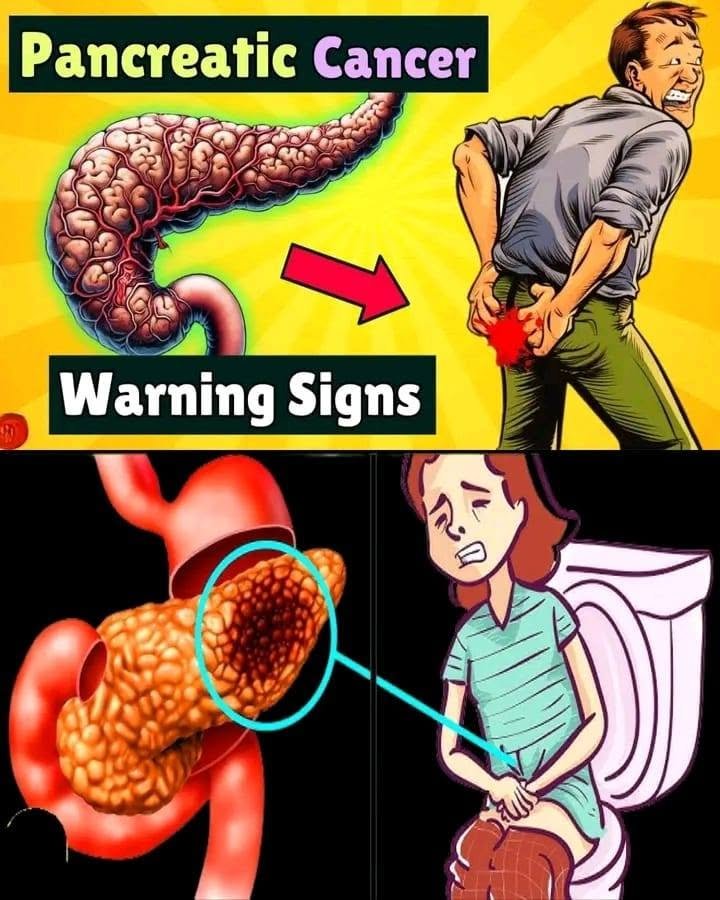
The Silent Striker: 15 Subtle Signs of Pancreatic Cancer You Must Never Ignore
Pancreatic cancer is frequently referred to as a “silent killer” because the pancreas is deeply embedded behind the stomach, liver, and small intestine, allowing tumors to grow undetected for months or even years without triggering obvious pain. By the time noticeable symptoms finally manifest, the disease has often advanced significantly.
Recognizing the subtle, early-stage physiological shifts and warning signals your body provides can bridge the gap between late-stage diagnosis and proactive medical intervention.
15 Critical Warning Signs of Pancreatic Malignancy
-
Dull Upper Abdominal Pain: A persistent, gnawing ache in the upper abdomen that feels deep-seated and refuses to resolve with standard antacids.
-
Mid-Back Radiation: Discomfort that starts in the abdomen and wraps straight around to the middle or upper back, often worsening when lying flat or eating.
-
Unexplained Weight Loss: Rapidly dropping pounds without making any changes to your diet, exercise routine, or daily lifestyle.
-
Sudden Loss of Appetite: Experiencing a profound lack of hunger or an uncharacteristic aversion to foods you previously enjoyed.
-
Early Satiety (Feeling Full Quickly): Taking only a few bites of a meal and feeling completely stuffed, as if your stomach has run out of physical space.
-
Jaundice (Yellowing Skin and Eyes): The hallmark sign of a blocked bile duct, where the whites of the eyes and skin take on a distinct yellow tint.
-
Dark-Colored Urine: Urine that turns a deep brownish-amber color due to excess bilirubin spilling into the bloodstream and kidneys.
-
Pale, Oily, or Floating Stools (Steatorrhea): Bowel movements that become clay-colored, exceptionally foul-smelling, greasy, and difficult to flush because the pancreas fails to supply adequate digestive enzymes.
-
Severe, Generalized Itching (Pruritus): Persistent, maddening skin itching caused by circulating bilirubin crystals irritating nerve endings under the skin.
-
New-Onset Diabetes: Developing Type 2 diabetes abruptly later in life—especially if you do not carry standard risk factors like severe obesity or a family history of the condition.
-
Brusquely Unstable Blood Sugar Control: Experiencing wild, inexplicable spikes and drops in blood sugar levels if you are a pre-existing diabetic whose condition was previously stable.
-
Unexplained Blood Clots (DVT): Developing deep vein thrombosis in the legs or recurrent superficial blood clots for no apparent reason, as pancreatic tumors alter clotting factors in the blood.
-
Persistent Nausea and Vomiting: Ongoing queerness or digestive upset caused by a growing tumor physically pressing against the outlet of the stomach.
-
Unaccustomed Chronic Fatigue: An overwhelming, heavy exhaustion that deepens day after day and does not improve regardless of how many hours of sleep you get.
-
Sudden, Unexplained Depression or Anxiety: Experiencing a sudden onset of mood changes, anxiety, or psychological distress without any clear situational trigger, which is occasionally linked to neurological inflammatory markers from the tumor.
A Step-by-Step Practical Framework for Risk Awareness
Navigating subtle health changes requires a methodical, calm approach to ensure you catch potential issues early.
-
Track Persistent Symptoms: If a symptom like upper back pain or digestive bloating lasts longer than two weeks and defies home remedies, log its frequency and severity.
-
Review Personal Risk Profiles: Factor in high-risk identifiers such as chronic pancreatitis, a family history of genetic mutations (like BRCA2 or Lynch syndrome), tobacco use, or heavy alcohol consumption.
-
Consult a Gastroenterologist or Primary Care Physician: Request targeted diagnostic imaging—such as a contrast-enhanced CT scan or an endoscopic ultrasound—if red flags like jaundice or unexplained weight loss occur.
Comparison of Common vs. Pancreatic Digestive Issues
| Symptom Present | Typical Cause (e.g., IBS, Reflux) | Potential Pancreatic Indicator |
| Abdominal Bloating | Dietary triggers, stress, erratic eating | Persistent, progressive fullness accompanied by weight loss |
| New Diabetes | Lifestyle, genetics, progressive insulin resistance | Sudden, abrupt onset in a lean individual without risk factors |
| Stool Changes | Temporary food intolerance or infection | Chronically pale, oily, foul-smelling stools that float |
Common Mistakes When Evaluating Pancreatic Symptoms
-
Attributing symptoms to normal aging or stress: Writing off stubborn back pain, fatigue, and weight loss as simple wear-and-tear or busy lifestyle stress.
-
Self-treating with over-the-counter antacids: Masking chronic upper abdominal discomfort with acid reducers for months without seeking an underlying diagnosis.
-
Delaying diagnostic imaging: Relying solely on basic blood panels while ignoring persistent structural red flags like painless jaundice or unexplained weight drops.
Expert Insights: Oncology and Gastroenterology Perspectives
Specialists emphasize that because the pancreas acts as both an endocrine (hormone-producing) and exocrine (enzyme-producing) organ, its disruption creates a multi-system cascade. Catching pancreatic cancer early through vigilant investigation of new-onset diabetes, sudden weight loss, or unexplained jaundice remains our greatest tool for improving long-term survival outcomes.
Frequently Asked Questions
Why is pancreatic cancer so hard to detect early?
The pancreas is located deep inside the abdomen, and early-stage tumors rarely press on surrounding structures or cause distinct pain until they grow quite large.
Can blood tests detect pancreatic cancer?
Standard blood panels cannot reliably detect early pancreatic cancer, though tumor markers like CA 19-9 can sometimes assist specialists when combined with imaging.
Is back pain a common sign of pancreatic cancer?
Yes. When a tumor develops in the body or tail of the pancreas, it can press against the celiac plexus nerve network, radiating a deep, persistent ache into the middle back.
Does everyone with pancreatic cancer develop jaundice?
No. Jaundice primarily occurs when tumors develop in the head of the pancreas and block the common bile duct; tumors in the body or tail may not cause jaundice until late stages.
What is the single most important symptom to never ignore?
Painless jaundice (yellow skin and eyes accompanied by dark urine) requires an immediate, urgent medical evaluation.
Action Checklist for Vigilance
-
Do: Track any unexplained weight loss paired with digestive changes or back pain for over two weeks.
-
Do: Seek immediate medical testing if you experience jaundice or dark urine.
-
Avoid: Masking chronic, progressive abdominal pain with over-the-counter remedies indefinitely.
-
Avoid: Dismissing a sudden, late-in-life diagnosis of diabetes as routine without a thorough medical review.
Paying close attention to the quiet signals your body sends can make all the difference in safeguarding your long-term health and wellness.
Subtle signals like unexplained weight loss, new-onset diabetes, and painless jaundice are critical warning signs of pancreatic issues that demand immediate, comprehensive medical investigation rather than a wait-and-see approach.