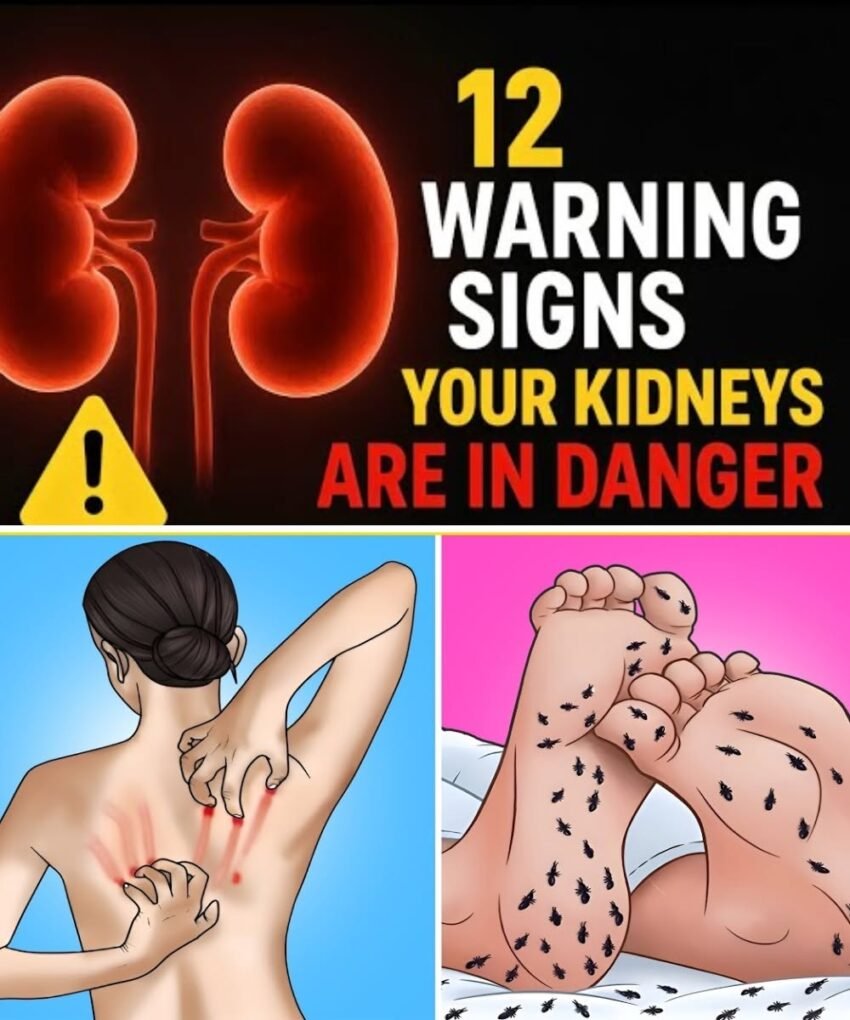
7 Strange, Often Ignored Signs Your Kidneys Are Struggling
Your kidneys work around the clock as the body’s elite filtration plant, processing roughly 200 quarts of blood every single day to flush out toxins, balance electrolytes, and regulate blood pressure. Because these vital organs are remarkably resilient, they can lose a staggering amount of function before sending up obvious distress signals. When kidneys are overwhelmed or damaged, the symptoms that manifest are often bizarre, subtle, and completely unrelated to lower-back pain.
Recognizing these unusual warning signs early can mean the difference between simple lifestyle adjustments and managing chronic kidney disease.
1. Persistent Foam or Bubbles in the Toilet If you notice that your urine frequently looks like it has been whipped into a frothy beer-like foam, it is time to pay attention. Normal urine bubbles quickly dissipate, but excessive foaming points directly to albumin—a major blood protein—spilling out through damaged kidney filters. When the microscopic filtering units (glomeruli) develop tears or wear down, proteins that are supposed to stay in the bloodstream leak directly into the urine.
2. Puffy, Swollen Eyes (Periorbital Edema) Waking up with eyes that look like you went twelve rounds in a boxing ring, even after a full night’s sleep, is a classic marker of kidney stress. When kidneys leak large amounts of protein into the urine instead of keeping it in the body, the overall protein balance in your blood drops. This fluid shift causes water to accumulate in loose tissues throughout the body, most noticeably in the delicate skin surrounding the eyes.
3. Unexplained, Deep-Seated Itching Healthy kidneys maintain a precise balance of minerals like phosphorus and calcium in your blood. When kidney function declines, phosphorus levels skyrocket because the organs can no longer filter it out effectively. This chemical imbalance leads to a buildup of toxins and high phosphorus in the bloodstream, triggering intense, deep-tissue itching that topical lotions and moisturizers simply cannot touch.
4. Metallic Taste in the Mouth or Ammonia Breath An accumulation of urea in the blood—a condition known as uremia—fundamentally alters your sense of taste and smell. Food can suddenly taste strongly of metal, and favorite meats or proteins may become entirely unappealing. Furthermore, as urea breaks down into ammonia within the saliva, it causes chronic bad breath that brushing and mouthwash fail to clear up.
5. Muscle Cramps, Especially in the Calves Waking up in the middle of the night with violent, painful leg cramps is a frequent calling card of electrolyte disturbances. When kidneys struggle, they fail to properly regulate sodium, calcium, potassium, and magnesium levels. This mineral chaos directly destabilizes nerve endings and muscle fibers, leading to sudden, involuntary contractions, particularly in the lower extremities.
6. Swollen Ankles, Feet, and Hands Reduced kidney function means the body cannot efficiently excrete excess sodium and fluid. As fluid builds up in the extracellular spaces, gravity pulls it downward into the lower limbs. Pitting edema—where pressing a finger into the skin leaves a temporary indentation—around the ankles, feet, and hands is a physical indicator that your internal fluid management system is failing.
7. Bone-Deep Fatigue and Brain Fog Healthy kidneys produce a crucial hormone called erythropoietin (EPO), which signals your bone marrow to manufacture oxygen-carrying red blood cells. When kidney function drops, EPO production plummets, plunging the body into anemia. Without enough red blood cells delivering oxygen to your tissues and brain, you experience a crushing, bone-deep exhaustion and a persistent inability to concentrate.
Protecting Your Kidneys Before It’s Too Late
Kidney health rarely deteriorates overnight; it is usually the cumulative result of unmanaged high blood pressure, chronic dehydration, excessive use of over-the-counter NSAIDs (like ibuprofen), and uncontrolled blood sugar. Simple, preventative changes—such as cutting back on processed sodium, drinking adequate water, and scheduling routine annual metabolic panels with your physician—protect these silent workhorses from irreversible damage.
Because kidneys rarely cry out with sharp pain until damage is advanced, paying attention to unusual shifts in your skin, urine, energy levels, and fluid retention is essential for catching silent kidney distress before it becomes a crisis.