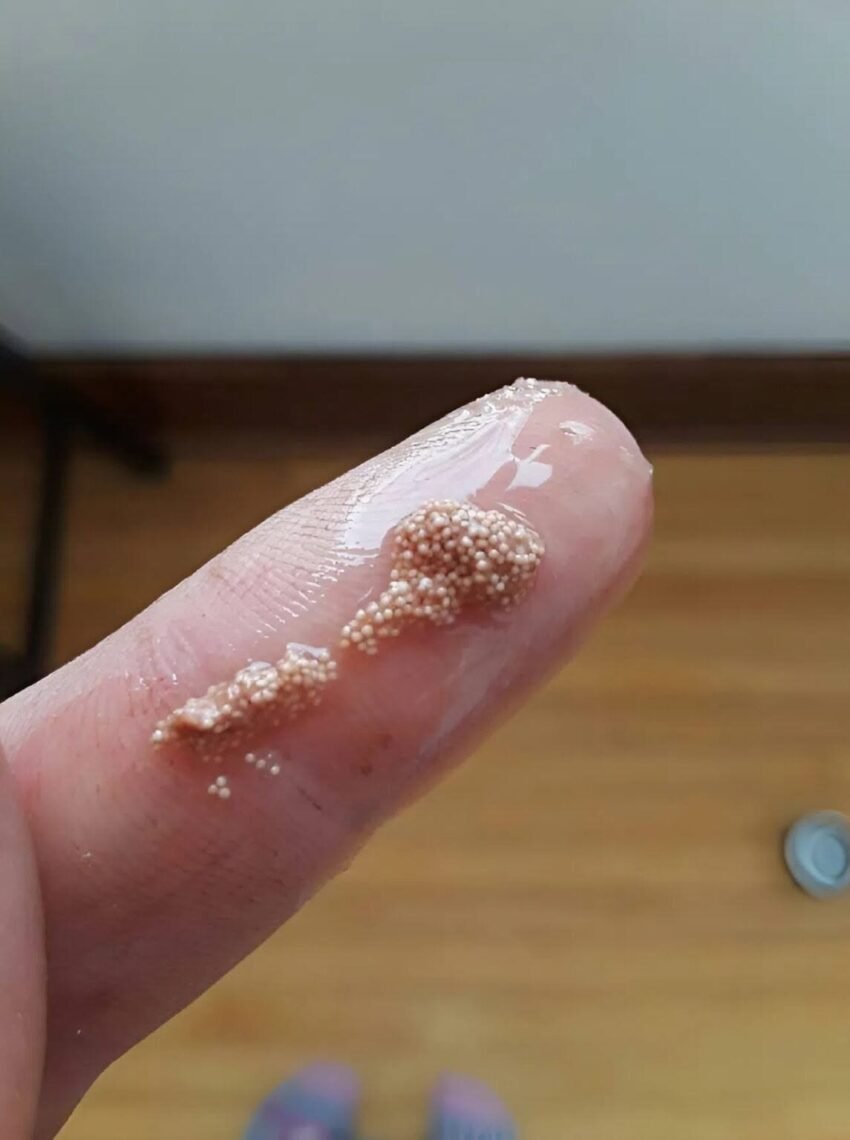
The Disturbing Truth Behind Small Slippery Lumps Found Inside an Egg
Discover the surprising biological reality behind unusual textures found inside fresh eggs, separating common harmless kitchen anomalies from genuine safety hazards.
Cracking an egg into a hot skillet is a familiar morning ritual, but every so often, an unexpected sight disrupts the routine. Imagine lifting the shell to find a cluster of small, gelatinous, slippery lumps suspended in the albumen or clinging to the yolk. Your immediate instinct might recoil in horror, suspecting that an insect has somehow infiltrated the shell and laid eggs inside your breakfast.
The internet is full of alarming viral posts warning people about imaginary parasites, insect invasions, and ruined food supplies. But before you throw out your entire carton in disgust, the actual biological explanation is far less cinematic—though deeply fascinating.
The Real Anatomy of Egg Anomalies: What Those Lumps Actually Are
To understand what those slippery lumps are, you have to look at how an egg forms inside a hen’s reproductive tract. It is a complex, multi-stage biological conveyor belt, and occasional manufacturing hiccups in nature are bound to happen.
1. Chalazae Debris or Calcified Protein
Inside every normal egg are the chalazae—two twisted, cord-like strands of protein that anchor the yolk securely in the center of the white. Sometimes, during the rapid formation of the egg white (albumen) in the magnum, excess protein clusters condense into dense, rubbery lumps rather than stretching smoothly. These chalazae knots can feel surprisingly firm, gelatinous, and slippery.
2. Meat Spots and Blood Spots
Often mistaken for insect eggs or embryos, meat spots are small brown or red specks occasionally found floating in the white or attached to the yolk. They are simply tiny fragments of tissue from the hen’s oviduct that became trapped during the shelling process. They are entirely natural and safe to consume once cooked.
3. Shell Gland Disruption (Calcium Deposits)
If a hen experiences a brief moment of stress or dietary fluctuation while the shell is being calcified in the shell gland (uterus), excess calcium carbonate can slough off into the egg before the shell fully hardens. This creates small, hard or slippery chalk-like lumps that feel jarringly out of place in an otherwise smooth fluid.
Comparative Overview: Identifying Egg Imperfections
| Anomaly Found in Egg | What It Actually Is | Safety Status | Action to Take |
| Gelatinous, slippery lumps | Condensed chalazae protein clusters or abnormal albumen | Safe (Once cooked thoroughly) | Can be whisked or removed; safe to eat |
| Small brown or red spots | Tissue fragments (meat/blood spots) from the hen | Safe | Completely normal; safe to eat |
| Chalky, gritty granules | Excess calcium carbonate deposits | Safe | Harmless mineral byproduct |
| Cloudy, watery whites | Fresh egg with high carbon dioxide content | Safe | Indicates extreme freshness |
When an Egg Actually Is Unsafe: Spotting Real Spoilage
While structural lumps are usually normal biological quirks, you do need to know the difference between a harmless internal protein knot and an actual microbial hazard.
-
The Sulfur Odor Test: A truly spoiled egg contaminated by bacteria (such as Salmonella or Pseudomonas) will emit a sulfurous, rotting-egg smell the moment you crack the shell. If it smells foul, discard it immediately.
-
Discoloration: If the white is pink, green, or iridescent, or if the yolk is abnormally runny and foul-smelling, microbial growth has compromised the egg.
-
The Float Test Myth: Dipping an egg in water only tells you how much air has passed through the porous shell over time (older eggs float due to an enlarged air cell), not whether it is bacterially infected. Always rely on smell and appearance after cracking.
Common Mistakes When Inspecting Fresh Eggs
Mistake 1: Assuming Every Strange Texture Is Contamination
Modern consumers are so accustomed to hyper-processed, uniform grocery store products that natural biological variations in whole foods often trigger unnecessary panic.
-
The Fix: Educate yourself on avian biology so you can distinguish between harmless structural protein quirks and actual spoilage.
Mistake 2: Throwing Away Safe Food
Wasting perfectly good food because of an unusual but harmless chalazae knot or meat spot adds up to unnecessary household waste.
-
The Fix: Inspect the odor and overall color; if everything else checks out, harmless protein lumps can simply be removed or cooked through.
Action Checklist
-
Check the Aroma: Always rely on your sense of smell first—fresh eggs should have a neutral, clean scent.
-
Inspect the White: Identify normal protein structures like chalazae cords or meat spots without panic.
-
Cook Thoroughly: Ensure eggs reach an internal temperature that solidifies both the white and the yolk to eliminate any foodborne safety risks.
-
Store Properly: Keep eggs in their original carton in the main body of your refrigerator (not the door) to maintain stable temperatures.
Finding unexpected lumps in your morning eggs can certainly give you a momentary fright, but science quickly replaces fear with fascinating biology. Those slippery little lumps are almost never terrifying insect invaders; they are simply natural protein knots and calcium remnants from the hen’s biological manufacturing process. A quick check of the smell and color ensures your breakfast is safe, healthy, and ready for the pan.