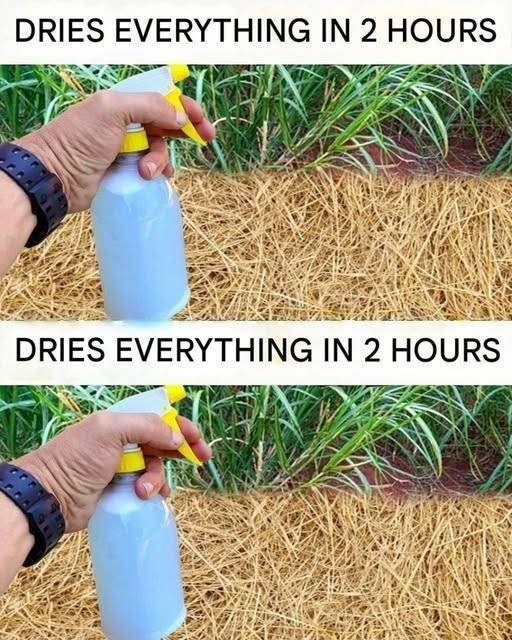
The 2-Hour Green Lawn Reset: The Ultimate Homemade, Non-Toxic Weed Killer That Actually Works
Tearing out stubborn weeds from your prized garden beds, patio pavers, or walkway cracks is one of the most frustrating weekend chores. Traditional commercial weed killers promise instant results, but they often come at a steep hidden cost: synthetic poisons, harsh chemical residues, and long-term risks to your soil, pets, and children.
If you are tired of breathing in toxic fumes or worrying about your dogs walking on treated grass, there is a better way. With just three basic kitchen staples, you can mix a potent, fast-acting, non-toxic weed killer that visibly dehydrates and dries out unwanted vegetation in as little as two hours on a hot, sunny day.
Why DIY Non-Toxic Weed Killers Work
Commercial herbicides often rely on systemic poisons like glyphosate, which disrupt plant biology from the inside out over several days. Homemade alternatives take a different approach: contact desiccation.
By utilizing household ingredients that strip away a plant’s natural protective moisture barrier, you can force rapid dehydration under the heat of the sun. The key is finding the right balance of ingredients to make the solution stick to the leaves and accelerate the drying process.
The Golden Recipe: What You Need
Skip the harsh chemicals and raid your pantry. To mix a batch of this fast-acting natural weed killer, gather the following items:
-
1 Gallon of White Vinegar: Standard household white vinegar (5% acidity) contains acetic acid, which draws moisture out of plant foliage on contact. (For tougher perennial weeds, industrial-grade 20% vinegar works even faster).
-
1 Cup of Table Salt: Salt acts as a heavy-duty desiccant, breaking down the plant’s cellular structure and preventing quick recovery. Note: Use salt only on driveways, patios, or borders, as it alters soil chemistry.
-
1 Tablespoon of Liquid Dish Soap: Dish soap acts as a surfactant, breaking the surface tension of the liquid so the vinegar and salt stick tightly to waxy weed leaves instead of just rolling off.
A Step-by-Step Guide to Application
Timing and technique are everything when using a natural herbicide, especially since it doesn’t selectively target plants.
-
Step 1: Mix the Solution Thoroughly
Pour the white vinegar, salt, and liquid dish soap into a clean garden sprayer or a heavy-duty spray bottle. Stir or shake gently until the salt is completely dissolved.
-
Step 2: Choose Peak Sunlight Hours
Do not spray on a cloudy, cool, or rainy day. Apply this mixture during peak morning sunlight when temperatures are rising. The sun acts as a natural catalyst, supercharging the desiccation process.
-
Step 3: Target Wisely
Adjust your spray nozzle to a direct stream rather than a fine mist. Carefully target the foliage of unwanted weeds in patio cracks, gravel pathways, or edging stones. Avoid letting drift land on your green lawn or valued flower beds.
-
Step 4: Watch the Transformation
On a bright, sunny afternoon, you will often notice leaves turning brown, curling, and drying out within two to three hours of application.
Comparative Analysis: Weed Control Methods
| Method | Speed of Results | Toxicity & Safety | Best Used For |
| DIY Vinegar & Salt Spray | Fast (2 to 4 hours on sunny days) | Non-toxic to humans/pets; heavy on soil salinity | Driveways, patios, sidewalk cracks, hardscapes |
| Boiling Water Pour | Instant | 100% natural and chemical-free | Individual taproot weeds, tight spaces |
| Commercial Glyphosate | Slow (3 to 7 days) | High chemical toxicity; environmental concerns | Large agricultural or open lawn areas |
| Manual Hand Pulling | Immediate physical removal | Safe, but labor-intensive | Garden beds and mulched zones |
Common Mistakes to Avoid (And How to Fix Them)
-
Mistake: Spraying Near Desirable Plants. Vinegar and salt do not discriminate; they will dry out any green foliage they touch.
-
The Fix: Use a targeted stream sprayer or paint the solution directly onto weed leaves using an old paintbrush in tight garden spaces.
-
-
Mistake: Applying on Rainy or Overcast Days. Water dilutes the mixture, and lack of sun drastically slows down the dehydration process.
-
The Fix: Always check the weather forecast and spray only when at least 24 hours of clear, dry sunshine are ahead.
-
-
Mistake: Using Salt-Heavy Mixes in Garden Soil. Pouring salt-based weed killers directly into flower beds can sterilize the soil, preventing anything from growing there for a long time.
-
The Fix: Reserve the salt mixture exclusively for hardscapes (pavers, gravel, concrete cracks). Use pure vinegar and soap without salt if you are treating weeds near active planting soil.
-
Expert Insights: The Science of Desiccation
Agronomists point out that household vinegar works best on young, tender annual weeds because their waxy cuticles are thin and easily penetrated. For deeply rooted perennial weeds like dandelions or thistles, the tops will wither away rapidly within hours, but the deep taproot may attempt a comeback a week or two later, requiring a simple follow-up spot treatment.
Mini Case Scenario: Marcus’s Driveway Makeover
Marcus was tired of unsightly weeds sprouting through the concrete expansion joints of his suburban driveway. Frustrated by expensive, smelly chemical jugs from the hardware store, he mixed a batch of white vinegar, a cup of salt, and a squirt of dish soap in a hand pump sprayer. He targeted the weeds at 10 AM on a blistering July morning. By lunchtime, the invasive growth had visibly shriveled and browned, completely drying out by mid-afternoon without exposing his children or golden retriever to hazardous chemical residues.
Frequently Asked Questions
-
Will this homemade weed killer permanently ruin my soil?
The salt component can alter soil chemistry and prevent growth if used heavily in the same spot over time. If you use it strictly on driveways and patios, soil health in your lawn remains unaffected.
-
Can I use apple cider vinegar instead of white vinegar?
You can, but white vinegar is cheaper, has a higher acidity consistency, and won’t leave sticky residues or attract insects the way fermented fruit vinegars might.
-
Is this safe to use around dogs and cats?
Yes, once the spray has dried completely (usually within a couple of hours), it is safe for pets to walk across the treated area, though it’s best to keep them away while it is actively wet.
-
Why did my weeds come back after a few weeks?
Natural contact herbicides destroy the foliage and stem above ground, but deep-rooted perennials may send up new shoots from surviving roots. A quick second spot-treatment usually finishes them off.
-
Does boiling water work just as well?
Boiling water is fantastic for weeds growing between sidewalk cracks or patio pavers because it instantly scalds plant cells. However, it doesn’t have the residual punch of salt and vinegar for preventing quick regrowth.
-
Can I add essential oils to the mix?
Adding a few drops of clove or tea tree essential oil can enhance the burning effect and add a pleasant aroma to mask the sharp scent of vinegar.
-
Will this kill grass if it accidentally drifts?
Yes. Vinegar and salt will quickly brown and kill turfgrass, so use a piece of cardboard as a shield if you are spraying near your lawn’s edge.
-
How long do I need to wait before letting pets on the area?
Wait until the liquid has completely dried and absorbed into the plant leaves, which typically takes about 2 to 3 hours on a sunny day.
Action Checklist
-
What to Do:
-
Mix white vinegar, salt, and dish soap in precise proportions.
-
Apply during peak morning sunlight for maximum drying speed.
-
Target hardscape areas like driveways, gravel paths, and patio cracks.
-
Wear gloves and use a direct-stream nozzle to protect nearby plants.
-
-
What to Avoid:
-
Spraying salt-heavy mixtures directly into delicate garden beds or lawns.
-
Applying the treatment right before forecasted rain or on damp days.
-
Leaving pets unattended near the spray zone while the liquid is wet.
-
You don’t need toxic chemical poisons to keep your property pristine; a simple blend of vinegar, salt, and dish soap harnesses the power of the sun to dry out stubborn weeds in just a few hours.