Beyond the Leak: 7 Overlooked Signs of a Weakened Pelvic Floor Every Woman Should Know
Ask anyone about pelvic floor health, and the conversation almost always lands on one thing: postpartum bladder leaks when sneezing. While stress incontinence is a well-known symptom, it represents only the tip of the iceberg.
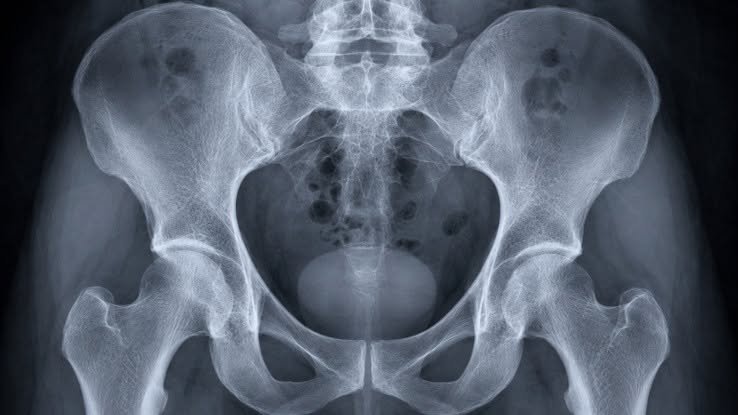
The pelvic floor is a complex, bowl-shaped sling of muscles stretching from your pubic bone to your tailbone. This internal hammock acts as the foundational structural support for your bladder, uterus, and bowels. When these muscles lose their tone, stretch out, or become fatigued, the body sends out distress signals that often mimic entirely different health problems.
Because society often normalizes quiet discomfort for women—especially after childbirth or during perimenopause—millions of women live for years with a compromised pelvic floor without ever realizing the root cause of their symptoms.
The Hidden Anatomy of Pelvic Support
Think of your core as a cylinder. Your diaphragm forms the top, your abdominal muscles wrap around the sides, your spinal muscles support the back, and your pelvic floor forms the absolute base. If the base weakens, the entire structural integrity of your core shifts.
This structural failure rarely announces itself loudly at first. Instead, it presents as subtle, nagging discomforts that get brushed off as poor posture, aging, or everyday stress. Recognizing these overlooked indicators is the first step toward reclaiming physical confidence and core stability.
1. Unexplained Low Back Pain That Won’t Stretch Out
You might stretch, foam roll, and visit a chiropractor, yet a dull, persistent lower backache refuses to go away. Many women assume this is strictly a posture or spinal issue, but the pelvic floor and lower back muscles are intimately connected.
When your pelvic floor muscles are too weak to support your pelvic organs and stabilize your pelvis, your lower back muscles are forced to pick up the slack, working overtime all day long to keep you upright. This chronic overcompensation leads to muscle fatigue, tightness, and persistent aching in the lumbar region.
2. A Nagging Sensation of Pelvic Heaviness or Pressure
By the end of a long day spent standing, do you feel an odd, dragging sensation in your lower abdomen, or a feeling like “something is falling out” down below?
This symptom is frequently dismissed as normal fatigue, but it is often an early indicator of mild pelvic organ prolapse (POP). When the pelvic floor sling weakens, gravity pulls organs like the bladder, uterus, or rectum downward into the vaginal canal. While severe prolapse requires medical management, that late-day feeling of heaviness is your body’s clear warning that the support structure is failing under pressure.
3. Post-Bathroom Dribbling (Incomplete Emptying)
Have you ever finished using the restroom, pulled your pants up, and experienced an unexpected trickle a few minutes later?
A functioning pelvic floor helps coordinate the relaxation and contraction needed to completely empty the bladder and bowels. When these muscles lack proper tone or coordination, the urethra may not close completely or urine can become trapped in a slight pocket caused by poor structural support, leading to frustrating post-micturition dribbling.
4. The “Urgency Dash” (Urge Incontinence)
While leaking when you cough is classic stress incontinence, suddenly feeling an overwhelming, emergency-level urge to pee the moment you pull into your driveway or hear running water is a different beast entirely.
A weakened pelvic floor can fail to provide the stabilizing counter-pressure the bladder needs to stay calm, tricking your nervous system into panicking before your bladder is actually full. If you map your day entirely around the locations of public restrooms, your pelvic floor may need attention.
5. Pain, Discomfort, or Reduced Sensation During Intimacy
Sexual wellness is deeply intertwined with pelvic muscular health. When the pelvic floor is either chronically weakened or over-tightened from trying to compensate for weakness, intercourse can become uncomfortable, painful, or lacking in natural sensation.
Many women quietly suffer through dyspareunia (painful sex) or a disconnect in arousal, never realizing that rehabilitating and strengthening these core muscles can radically transform their intimate health and comfort.
6. Difficulty Managing Gas or Accidental Flatulence
Perhaps one of the most embarrassing and unspoken signs of a compromised pelvic floor is minor fecal incontinence or difficulty controlling the passing of gas—especially during exercise, yoga poses, or heavy lifting.
The anal sphincter relies heavily on the surrounding hammock of pelvic floor muscles for structural support and closure control. When those foundational muscles lose their endurance, minor leaks of gas can occur unexpectedly.
7. Core Exercises That Cause “Pooping” or Coning Abdomens
If you notice your stomach bulging outward like a dome or cone when you try to do a plank, sit-up, or even lift a heavy grocery bag, your core pressure is escaping downward.
A weak pelvic floor cannot properly counter the intra-abdominal pressure generated during exercise. Instead of keeping the core contained, the pressure pushes down onto the pelvic floor and out through the abdominal wall, which can worsen diastasis recti and pelvic laxity.
Comparative Analysis: Common Misconceptions vs. Reality
| Symptom | What Women Usually Assume | The Real Root Cause |
| Lower Back Pain | Bad office chair or poor mattress | Lumbar muscles overcompensating for a weak pelvic floor |
| Late-Day Pelvic Heaviness | Normal tiredness or standing too long | Early-stage pelvic organ prolapse due to lax support muscles |
| Pain During Intimacy | Hormonal shifts or psychological stress | Tight, dysfunctional, or fatigued pelvic floor musculature |
| Abdominal Coning During Exercise | Just need to do more crunches | Intra-abdominal pressure escaping due to a lack of pelvic floor baseline support |
Common Mistakes to Avoid (And How to Fix Them)
-
Mistake: Assuming Kegels Are the Universal Fix. Doing endless squeezing exercises without knowing if your muscles are actually weak or simply locked in a state of chronic, painful tension.
-
The Fix: Learn how to both contract and fully relax your pelvic floor. If your muscles are already hypertonic (too tight), traditional Kegels can actually make your symptoms worse. Consider seeing a dedicated pelvic floor physical therapist for an individualized assessment.
-
-
Mistake: Holding Your Breath When Lifting. Straining and holding your breath while picking up heavy objects or working out, which drives massive downward pressure straight onto the pelvic floor.
-
The Fix: Exhale on the exertion. Practice blowing out air when lifting heavy items, standing up from a chair, or coming up from a squat to naturally engage your deep core and protect your pelvic base.
-
-
Mistake: Straining on the Toilet. Chronic straining during bowel movements weakens the connective tissue and stretches the pelvic floor over time.
-
The Fix: Use a footstool (like a Squatty Potty) to elevate your knees while on the toilet, which changes the anorectal angle and allows for effortless elimination without straining.
-
Expert Insights: The Missing Link in Women’s Healthcare
Pelvic health specialists frequently point out that women are taught how to care for their reproductive systems, but almost no time is spent educating them on foundational pelvic muscle mechanics. Unlike arm or leg muscles, you cannot see your pelvic floor in the mirror, making it easy to ignore until a dysfunction disrupts your daily life. Integrating pelvic floor awareness into routine wellness checkups can prevent decades of silent discomfort.
Mini Case Scenario: Rachel’s Hidden Struggle
For three years after the birth of her second child, Rachel suffered from nagging lower back pain and a strange feeling of pelvic pressure every evening. She spent hundreds of dollars on ergonomic office chairs and new mattresses, convinced her spine was the issue. It wasn’t until she consulted a physical therapist for a separate core assessment that she learned her symptoms were entirely driven by a lax, unsupported pelvic floor. By learning proper diaphragmatic breathing, coordinating her core pressure, and targeted strengthening, both her back pain and afternoon heaviness vanished within two months.
Frequently Asked Questions
-
Are pelvic floor issues only something older women experience?
Not at all. While they become more common with age and hormonal shifts during menopause, pelvic floor weakness frequently affects younger women, particularly following pregnancy, high-impact athletic training, or chronic coughing from allergies.
-
What is a pelvic floor physical therapist, and do I need a referral?
A pelvic floor physical therapist is a specialized clinician with advanced training in evaluating and treating internal core muscles. Depending on your insurance and location, you may or may not need a formal doctor’s referral to book an appointment.
-
Can men have pelvic floor issues too?
Yes, men have pelvic floor muscles that support their bladder and bowels, and they can experience issues like chronic pelvic pain, urinary leakage, and bowel dysfunction, though the presentation differs from women.
-
How long does it take to strengthen a weak pelvic floor?
Just like any other skeletal muscle group, consistency is key. Most women notice significant improvements in muscle tone, symptom reduction, and control within 8 to 12 weeks of dedicated, proper daily exercises.
-
Is it ever too late to fix a weakened pelvic floor?
It is never too late. Even women in their 70s and 80s see remarkable improvements in bladder control, comfort, and stability by working with targeted pelvic strengthening protocols.
-
How do I know if I am doing a Kegel correctly?
Imagine you are trying to stop the flow of urine mid-stream or trying to lift a marble up inside your vagina. Your glutes, thighs, and abdomen should remain completely relaxed; only the internal muscles around your urethra, vagina, and anus should lift and squeeze.
-
Can high-impact running damage my pelvic floor?
High-impact running or heavy jumping doesn’t automatically ruin your pelvic floor, but if your baseline strength is low, the repetitive downward force can exacerbate leaks or heaviness. Gradual conditioning and core integration help mitigate this.
-
Why does menopause affect pelvic floor strength?
The sharp drop in estrogen levels during perimenopause and menopause reduces the blood flow, collagen production, and elasticity of the tissues supporting the pelvic organs, making the muscles more vulnerable to weakness.
Action Checklist
-
What to Do:
-
Pay attention to subtle cues like late-day heaviness, minor leaks, or persistent lower back pain.
-
Practice exhaling on exertion when lifting objects to protect your core.
-
Use a footstool in the bathroom to avoid straining during bowel movements.
-
Consult a specialized pelvic floor physical therapist for a personalized evaluation.
-
-
What to Avoid:
-
Normalizing daily discomfort, pain, or bladder leaks as “just part of being a woman.”
-
Holding your breath during physical activity or heavy lifting.
-
Doing blind, unguided Kegels if you aren’t sure whether your muscles are weak or overly tight.
-
A weakened pelvic floor rarely announces itself with a single dramatic failure; instead, it whispers through quiet discomforts like backaches, pressure, and subtle leaks that deserve your attention and care.