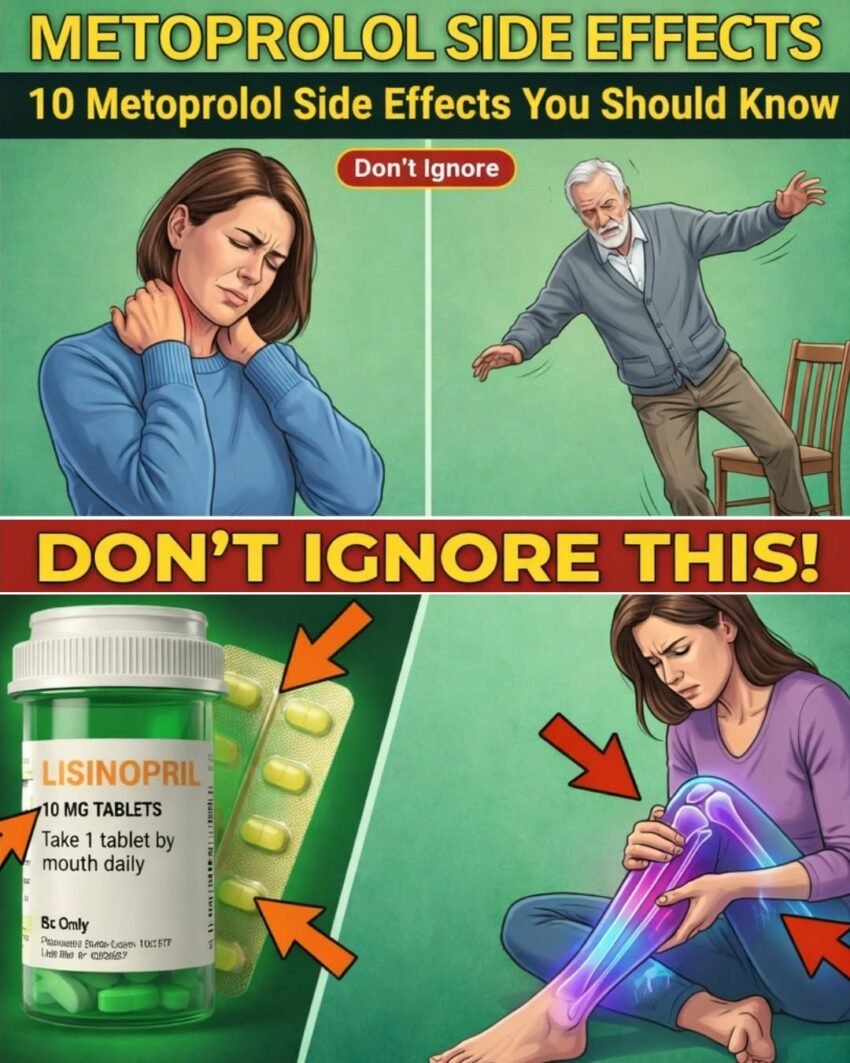
Exploring the 10 Metoprolol Side Effects That Are Often Overlooked in Conversations
Metoprolol (commonly prescribed under brand names like Lopressor or Toprol XL) is a cornerstone medication in modern cardiology. As a selective beta-1 blocker, it is routinely prescribed to manage high blood pressure, prevent angina, reduce the risk of recurrent heart attacks, and control heart rates in patients with heart failure or arrhythmias. By blocking the action of adrenaline and stress hormones on the beta-1 receptors in the heart, it forces the heart to beat slower and with less force, lowering cardiovascular strain.
While standard pharmacy leaflets highlight the major warnings—such as severe dizziness or bradycardia—many patients experience subtle, day-to-day physical and psychological shifts that rarely make it into clinical conversations. Recognizing these overlooked side effects helps patients navigate their treatment with clarity and confidence.
Disclaimer: This information is for educational purposes and should not replace professional medical advice. Never alter or stop your medication regimen without consulting your prescribing physician.
1. Vivid Dreams and Nightmares Because beta-blockers easily cross the blood-brain barrier, they directly impact central nervous system signaling. Many patients report a sudden increase in vivid, highly detailed, or unsettling dreams and nightmares upon starting metoprolol or after a dosage increase. This occurs because the medication alters sleep architecture, particularly during REM cycles.
2. Cold Hands and Feet (Peripheral Vasoconstriction) By slowing the heart rate and reducing the force of contractions, metoprolol subtly alters overall circulatory dynamics. To maintain core blood pressure, the body naturally constricts blood vessels in the extremities. This leaves many patients dealing with persistently cold fingers and toes, even in warm indoor environments.
3. Subtle Weight Gain and Metabolic Shifts Patients frequently notice a gradual, unexplained weight gain over several months of long-term use. Beta-blockers can lower the body’s baseline metabolic rate and decrease exercise tolerance, making it easier to hold onto fluid or accumulate body fat if dietary and physical activity habits aren’t adjusted.
4. Exercise Intolerance and “Lead Legs” Because metoprolol prevents your heart rate from spiking appropriately during physical exertion, working out can suddenly feel drastically harder. Patients often describe feeling out of breath quickly or experiencing a heavy, sluggish sensation in their muscles (often called “lead legs”) during routine aerobic activity.
5. Hair Thinning and Alopecia (Rare) Though less common, dermatological side effects are occasionally documented. Some individuals experience diffuse hair thinning several months after beginning beta-blocker therapy. This is typically temporary and linked to how the medication alters cellular growth cycles in hair follicles, though it warrants a doctor’s evaluation to rule out other causes.
6. Mild Depressive Symptoms and Emotional Blunting Because adrenaline and noradrenaline signaling are dampened throughout the body and brain, some patients report a subtle flattening of mood. This can manifest as mild apathy, a lack of emotional highs and lows, or a low-grade depressive state that patients struggle to attribute to their heart medication.
7. Gastrointestinal Changes and Mild Constipation Metoprolol’s impact on the autonomic nervous system can slow down smooth muscle motility throughout the gastrointestinal tract. While not as severe as other medications, some patients report mild bloating, slowed digestion, or stubborn constipation during the first few weeks of therapy.
8. Dry Eyes and Vision Irritation A lesser-known physiological impact of beta-blockers is the reduction of lacrimal gland secretions. This can lead to dry, gritty, or irritated eyes, making it uncomfortable for contact lens wearers or individuals who spend long hours looking at digital screens.
9. Respiratory Tightness in Sensitive Individuals Even though metoprolol is a “cardioselective” beta-blocker (targeting the heart primarily), at higher doses it can partially affect beta-2 receptors located in the lungs. In patients with asthma or mild, undiagnosed chronic obstructive pulmonary disease (COPD), this can trigger unexpected breathlessness or mild wheezing.
10. Subtle Cognitive Fog and Concentration Lags Patients frequently report minor memory lapses, difficulty word-finding, or a general sense of cognitive “brain fog.” Because the brain relies on specific neurochemical stimulation for sharp focus, dampening sympathetic nervous activity can slightly slow down mental processing speed.
Navigating Your Metoprolol Journey Safely
Experiencing side effects doesn’t automatically mean you should stop taking your medication. Because beta-blockers cause physical dependence on the cardiovascular system, stopping metoprolol abruptly can trigger a dangerous rebound effect, including severe spikes in blood pressure, heart palpitations, or even a heart attack.
If these overlooked side effects impact your daily quality of life, track your symptoms and schedule a conversation with your cardiologist. Options such as switching from an immediate-release tablet to an extended-release formula, adjusting the dosage, or exploring alternative medication classes can often resolve these issues while keeping your heart protected.