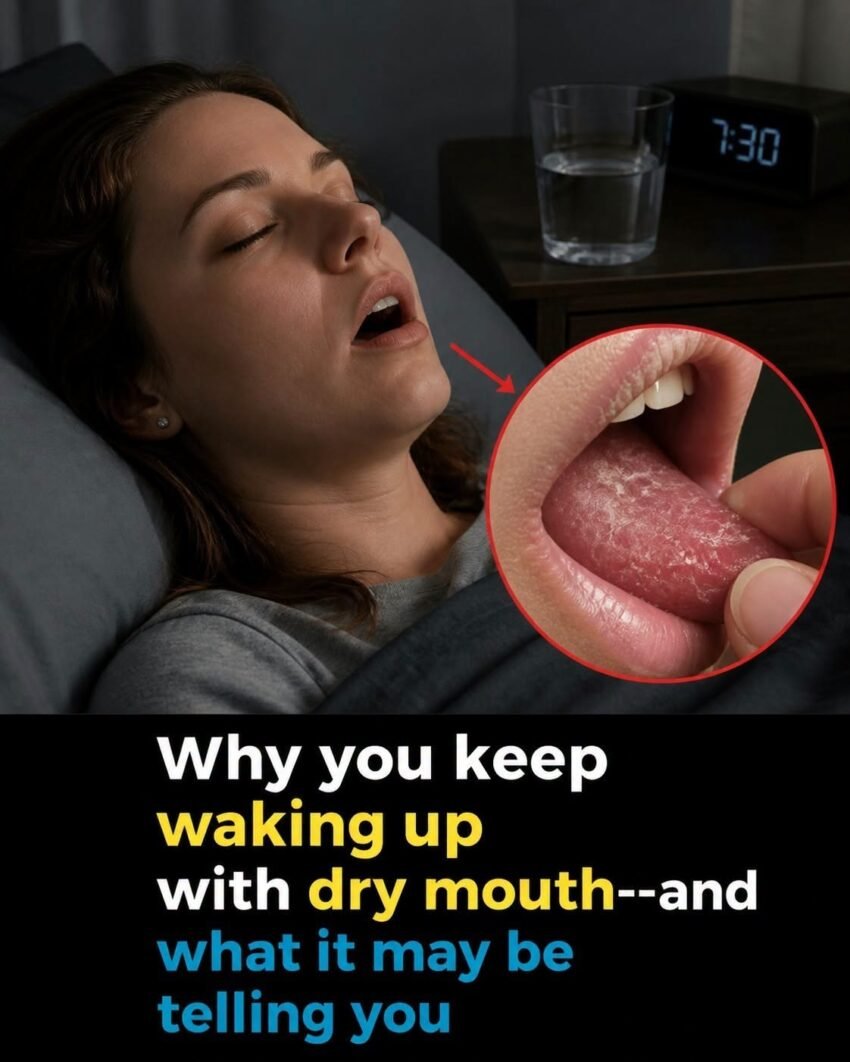
Waking Up With a Dry Mouth? Here’s What Your Body Is Trying to Tell You
Decoding Nocturnal Xerostomia: Why Your Morning Thirst Goes Far Beyond a Simple Glass of Water
There is a distinct, uncomfortable sensation that comes with waking up in the middle of the night or first thing in the morning with a mouth that feels like the Sahara Desert. Your tongue sticks to the roof of your mouth, your lips feel tight, and swallowing takes a conscious, frustrating effort. Most people reach blindly for a glass of water on the nightstand, assume they were simply dehydrated, and go right back to sleep.
When morning dry mouth—medically known as xerostomia—becomes a nightly or recurring event, it is rarely just about how much water you drank before bed. Saliva is a vital bodily fluid that acts as your mouth’s natural defense system, flushing away food particles, neutralizing cavity-causing acids, and fighting off oral bacteria.
Waking up with parrated mucous membranes is a physical signal that your salivary glands have slowed down or that your respiratory habits changed while you slept. Listening to what your body is whispering through morning dry mouth can help you catch underlying physiological issues before they impact your dental health and overall wellness.
1. You Are Breathing Through Your Mouth All Night
The most common culprit behind morning dry mouth is nocturnal mouth breathing. Under normal circumstances, you should breathe exclusively through your nose while sleeping. Nasal passages filter, warm, and humidify the air before it reaches your lungs.
When your nasal passages are blocked or narrowed, your body automatically shifts to oral respiration. As a steady stream of dry bedroom air flows continuously over your tongue and gums all night, it rapidly evaporates your natural saliva supply.
The Root Causes:
-
Nasal Congestion: Chronic allergies, a deviated septum, nasal polyps, or localized sinus inflammation.
-
Obstructive Sleep Apnea (OSA): A serious condition where the airway repeatedly collapses during sleep, forcing the individual to gasp or breathe through the mouth.
2. Your Medications Are Drying You Out
If you have recently started a new prescription or over-the-counter medication, check the side effects list. Xerostomia is one of the most frequently reported drug-induced side effects in modern medicine, impacting hundreds of common pharmaceutical compounds.
Medications interfere with the autonomic nervous system signals that stimulate your salivary glands to produce fluid.
Common Culprits:
-
Antihistamines and Decongestants: Designed to dry up mucous membranes in your nose, they often dry up your salivary glands in the process.
-
Blood Pressure Medications: Diuretics (“water pills”) and beta-blockers reduce fluid volume or alter autonomic tone.
-
Antidepressants and Anxiolytics: Many psychiatric medications possess strong anticholinergic properties that directly inhibit saliva flow.
3. Blood Sugar Imbalances and Metabolic Shifts
Persistent dry mouth, especially when accompanied by intense nocturnal thirst and frequent nighttime urination, is a classic warning sign of unmanaged blood sugar levels.
When blood glucose levels spike, your kidneys work overtime to filter and clear the excess sugar through your urine. This process draws water out of your body’s tissues via osmotic diuresis, rapidly dehydrating you. Furthermore, chronic high blood sugar alters the composition of saliva and creates an environment where oral tissues feel chronically parched.
4. Lifestyle and Environmental Factors
Sometimes the trigger is external or behavioral, rooted in your immediate bedroom environment or evening habits.
-
Low Indoor Humidity: Sleeping in a bedroom with a forced-air heating system or dry air conditioning unit constantly strips moisture from the air and your airways.
-
Evening Alcohol or Caffeine Consumption: Both substances act as diuretics and reduce overall systemic hydration when consumed close to bedtime.
-
Tobacco and Nicotine Use: Smoking or vaping alters salivary gland function and damages the soft tissues lining the oral cavity.
Actionable Steps to Protect Your Mouth and Restore Moisture
-
Use a Cool-Mist Humidifier: Place a clean humidifier in your bedroom to add ambient moisture to the air, preventing indoor air from drying out your airways while you sleep.
-
Practice Nasal Irrigation: Use a saline rinse or neti pot before bed to clear nasal blockages and encourage natural nasal breathing throughout the night.
-
Review Your Medication Timing: If a prescribed medication is causing dry mouth, speak with your physician about adjusting the dosage or taking the medication earlier in the day rather than right before bed. Avoid over-the-counter mouthwashes containing alcohol, which worsen tissue dryness.
-
Stay Hydrated Strategically: Sip water consistently throughout the day rather than chugging a large volume right before sleeping, which only leads to disrupted sleep from nighttime bathroom trips.
Morning dry mouth is more than just an annoying wake-up call—it is an early biological indicator pointing toward dehydration, airway resistance, or chemical side effects. By identifying and addressing the root cause, you can protect your dental enamel, improve your sleep quality, and wake up feeling refreshed.