When the Earth Moves: Understanding Italy’s Seismic Reality and What Happens When Panic Hits the Streets
Discover how recent strong earthquakes in Italy trigger widespread panic, send residents rushing into the streets, and test emergency infrastructure.
When a sudden, violent jolt tears through an Italian town, the reaction is immediate and visceral. Within seconds, historic cobblestone streets fill with panicked residents wrapped in blankets, families clutching pets, and neighbors seeking safety under the open sky.
From the volcanic calderas of Campi Flegrei near Naples to the rugged Apennine spine running down the center of the boot, the ground beneath Italy is in a constant state of restless motion. When a significant tremor strikes, it revives collective anxieties in a country where history, architecture, and geology are inextricably linked.
The Anatomy of an Italian Seismic Panic
Italy is one of the most seismically active nations in Europe, sitting squarely on the collision zone between the African and Eurasian tectonic plates. But numbers on a seismograph do not capture the human element of a major shake.
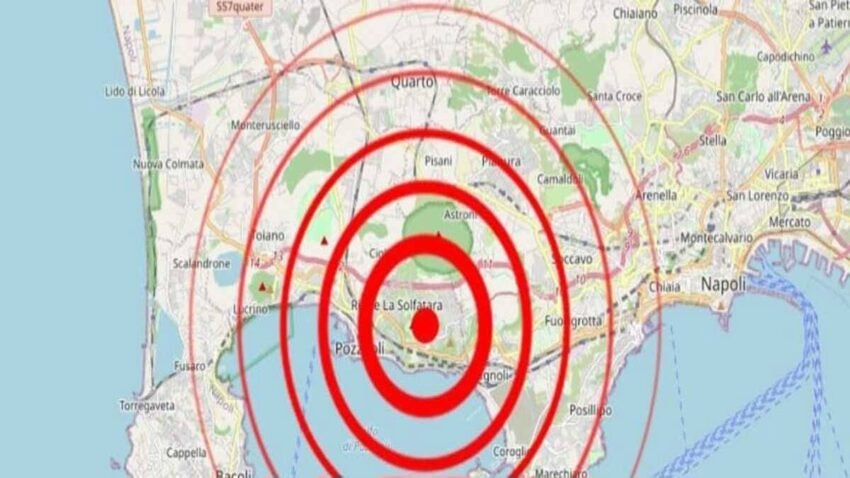
When a powerful tremor hits—such as the recent magnitude 4.7 event that shook the Naples and Pozzuoli regions—the physical experience is terrifying.
-
The Sound Before the Shock: Survivors often describe a deep, subterranean roar—resembling a freight train barreling beneath the foundations—just before the violent shaking begins.
-
The Vertical and Horizontal Jolt: Unlike earthquakes in regions with deep fault lines, shallow Italian earthquakes often produce violent vertical and horizontal shocks that cause furniture to dance, walls to crack, and roof tiles to rain down.
-
The Mass Exodus: Within moments of the shaking subsiding, power grids flicker, car alarms wail simultaneously, and thousands of residents stream out of apartment blocks into public piazzas and open streets, fearing catastrophic aftershocks.
Why Italy Shakes: The Geology Behind the Tremors
To understand why Italian streets experience such frequent panic, we must look at the country’s unique tectonic configuration.
Italy is not shaped by a single fault line; rather, it is a complex mosaic of micro-plates.
-
The Apennine Fault System: Stretching down the backbone of the Italian peninsula, this system is responsible for historic inland earthquakes like those in L’Aquila, Amatrice, and central Italy. These quakes are often shallow and devastatingly destructive due to the age of local masonry infrastructure.
-
Volcanic Activity and Bradyseism: Regions like Campi Flegrei (the Phlegraean Fields) near Naples and Mount Vesuvius experience bradyseism—the gradual uplifting or sinking of the ground caused by magma and hydrothermal fluids shifting underground. When the crust reaches its breaking point, it snaps violently, causing sharp swarms of earthquakes right beneath densely populated urban zones.
Step-by-Step Action Guide: What to Do If You Experience a Quake in Italy
If you live in or are visiting Italy, knowing how to react during a sudden tremor can save your life. Panic causes hesitation; preparation builds automatic muscle memory.
-
Drop, Cover, and Hold On: If you are indoors when the shaking starts, do not run toward crowded stairwells or elevators. Drop to your hands and knees, take cover under a sturdy desk or table, and hold on until the shaking stops.
-
Stay Away From Glass and Masonry: Keep away from windows, exterior brick walls, and tall heavy furniture that could tip over. In Italy, older unreinforced masonry buildings pose a high risk of falling facade debris.
-
Move to Open Spaces After the Shaking Stops: Once the primary tremor ceases, grab your essentials only if safe, and head orderly toward the nearest designated piazza or open municipal assembly area.
-
Expect Aftershocks: The initial quake is rarely the end. Secondary shocks often follow within minutes, hours, or days. Avoid re-entering buildings with visible structural cracks until civil protection teams clear them.
-
Keep Communication Lines Open: Avoid making non-essential voice calls to keep cellular networks clear for emergency responders. Use text messaging or data apps to update loved ones on your safety.
Real-World Scenario: Nighttime Tremors in Southern Italy
Imagine winding down an evening in a coastal neighborhood near Pozzuoli. Without warning, the apartment begins to sway violently. Books fly off shelves, glass shatters in the kitchen, and the deep, rumbling growl of the earth fills the air.
Within ninety seconds, the entire neighborhood is outside. Families congregate in the middle of wide piazza squares, flashlights cutting through the dark. Civil protection volunteers mobilize rapidly, setting up mobile coordination tents, handing out water blankets, and calming distressed residents. While the structural damage might be localized to cracked plaster and fallen masonry, the psychological toll of the night lingers long after the ground goes quiet.
Comparison Matrix: Types of Italian Seismic Events
| Seismic Region | Primary Cause | Typical Characteristics | Community Impact |
| Volcanic (e.g., Campi Flegrei) | Magmatic shifts and hydrothermal pressure | Shallow depth, sharp swarms, loud subterranean noise | Widespread street panic, inspection of older coastal buildings |
| Tectonic (e.g., Central Apennines) | Crustal fault rupture and plate collision | Higher magnitude potential, severe structural impact | Significant historic damage, displacement of residents |
| Offshore / Sub-marine | Subduction and sea-floor displacement | Felt over wide coastal areas, potential tsunami watch | Coastal caution, brief evacuation of beaches |
Pros and Cons of Italy’s Modern Emergency Preparedness
-
Pros:
-
World-Class Civil Protection: Italy boasts one of the most responsive and well-trained civil protection agencies (Protezione Civile) globally.
-
Strict Building Codes: Modern seismic retrofitting and stringent engineering codes have drastically reduced structural collapses in newer developments.
-
Early Warning Research: Continuous monitoring by the National Institute of Geophysics and Volcanology (INGV) provides real-time data to scientists and public officials.
-
-
Cons:
-
Aging Architectural Heritage: Millions of Italians live in historic masonry buildings constructed centuries before modern earthquake engineering existed.
-
High Urban Density: Historic city centers feature narrow streets flanked by tall buildings, creating hazardous bottlenecks when crowds panic and run outdoors.
-
Anxiety and Fatigue: Constant low-level seismic swarms in volcanic regions cause chronic psychological stress for local residents.
-
Common Mistakes and How to Avoid Them
-
Mistake 1: Running Outside During the Shaking
-
The Fix: Trying to flee down concrete stairwells or rushing out of doorways while the ground is actively moving is dangerous. Falling debris from building facades injures many people outdoors. Stay inside and take cover until the motion stops.
-
-
Mistake 2: Using Elevators to Evacuate
-
The Fix: Power failures routinely accompany major earthquakes, trapping people in dark, confined elevator shafts. Always use the stairs after the shaking has completely stopped.
-
-
Mistake 3: Returning to Compromised Homes Too Early
-
The Fix: A structure weakened by a main shock can easily collapse during a moderate aftershock. Always wait for official structural clearance from municipal engineers or civil protection before moving back inside.
-
Expert Insights: Resilient Communities in 2026
Emergency management experts emphasize that living in a seismic country requires a shift from reactive panic to proactive resilience. In 2026, Italian municipalities are increasingly integrating smart-city sensor grids and community disaster drills directly into neighborhood associations.
Urban planners note that educating residents on what not to do during those crucial first ten seconds is the single most effective tool for preventing injuries. When a community understands how to drop, cover, and wait out the initial violence before organizing an orderly evacuation to open piazzas, the human cost of natural disasters drops dramatically.
Frequently Asked Questions
-
Why do Italian earthquakes cause so many people to run into the streets?
Historic building styles, shallow focal depths, and cultural instinct drive people into open squares (piazze) to escape potential structural collapses and falling debris.
-
Are Italian earthquakes getting stronger?
While overall tectonic rates remain stable, seismic swarms in volcanic zones like Campi Flegrei experience cycles of heightened activity, producing notable tremors that feel exceptionally strong due to their shallow depth.
-
How quickly do emergency services respond in Italy?
The Protezione Civile operates on a decentralized model, allowing local volunteer units and national teams to mobilize within minutes of a confirmed major tremor.
-
Is it safe to visit Italy given the earthquake risks?
Yes. Millions of tourists visit Italy safely every year. Major tourist infrastructure complies with rigorous safety checks, and catastrophic events, while high-impact, are statistically rare during any given trip.
-
What should I keep in an emergency kit?
A basic emergency bag should include bottled water, non-perishable food, a flashlight, a battery-powered radio, a first-aid kit, essential medications, and copies of important documents.
-
Do modern buildings in Italy survive earthquakes?
Yes. Modern reinforced concrete and steel structures engineered with seismic isolation systems perform remarkably well during moderate-to-strong tremors.
-
What is an aftershock, and are they dangerous?
Aftershocks are smaller secondary tremors that occur in the same area after the main earthquake. They can sometimes cause further damage to structures already weakened by the initial shock.
-
How can I check real-time earthquake data in Italy?
The official website of the Istituto Nazionale di Geofisica e Vulcanologia (INGV) provides live, minute-by-minute maps and magnitudes for all seismic activity across the country.
-
What to Do:
-
Identify safe cover spots (tables, interior load-bearing walls) in every room of your home or hotel.
-
Keep an emergency go-bag accessible near your main exit.
-
Follow official instructions from local authorities and civil protection loudspeakers immediately following a quake.
-
Check on vulnerable neighbors or elderly residents once the area is safe.
-
-
What to Avoid:
-
Do not use elevators during or immediately after a seismic event.
-
Avoid spreading unverified rumors or panic on social media during emergency situations.
-
Do not crowd narrow alleyways or streets lined with old masonry walls.
-
Avoid turning on gas appliances if you smell a leak until utility lines are inspected.
-
An earthquake in Italy serves as a humbling reminder of the dynamic, living planet we inhabit. While the sudden panic and shaking in the streets can test the nerves of even the most seasoned traveler or resident, preparation, coolheaded responses, and robust community infrastructure remain the ultimate safeguards against the unpredictable forces of nature.