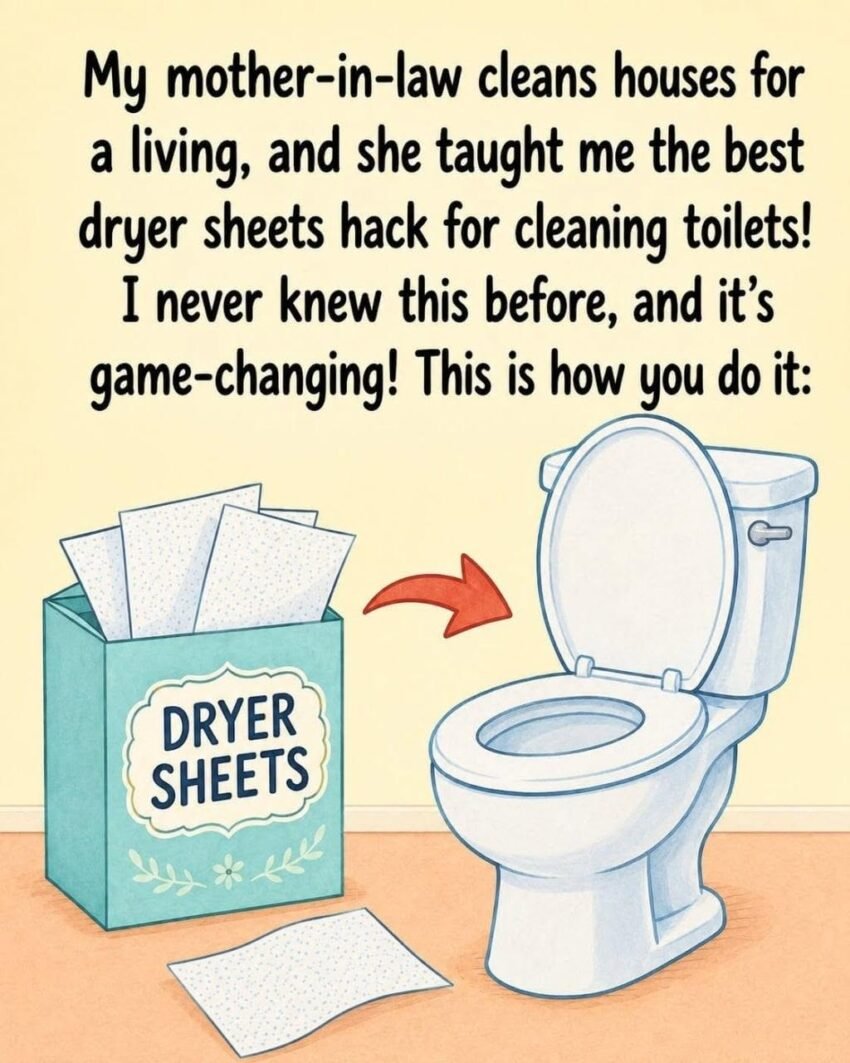
Surprising Dryer Sheet Hack for Easy Toilet Cleaning: Why Your Laundry Room Staple Belongs in the Bowl
Disclaimer: The following content is for informational purposes. Always exercise caution when introducing household products to plumbing systems and avoid flushing non-biodegradable items.
The Unusual Bathroom Shortcut You Never Expected
We have all been there: staring down at a stubborn ring of hard water scale, mineral buildup, or soap scum inside the toilet bowl, dreading the physical exertion of aggressive scrubbing. Cleaning the bathroom is rarely anyone’s favorite chore, leading homeowners to constantly hunt for clever cleaning shortcuts, chemical sprays, and low-effort hacks.
Enter a bizarre viral cleaning trick that sounds entirely counterintuitive: dropping used dryer sheets into your toilet bowl.
At first glance, it feels like a recipe for a clogged drain or a strange plumbing disaster. Why on earth would anyone put a piece of laundry fabric softener into a porcelain toilet? Proponents of the hack swear by it, claiming it lifts stubborn mineral rings and leaves the bathroom smelling fresh with zero elbow grease. But before you raid your laundry basket, let’s separate clever chemical science from potential plumbing risks.
The Chemistry Behind Dryer Sheets: What They Actually Do
To understand why this hack gained traction, we have to look at what a dryer sheet is chemically designed to achieve. Dryer sheets are made of a non-woven synthetic fiber base (usually polyester) coated with a blend of fatty acids, cationic surfactants, softening agents, and heavy artificial fragrances.
In your laundry machine, these compounds are engineered to:
-
Neutralize static electricity by coating fabrics in a microscopic waxy layer.
-
Lubricate fibers to make clothes feel soft to the touch.
-
Release volatile organic compounds (VOCs) that provide long-lasting scent.
When people drop a used dryer sheet into standing toilet water, those same surfactants and fatty residues interact with surface tension. The mild surfactants can help loosen light soap scum and dust, while the residual fragrance masks unpleasant bathroom odors. However, a dryer sheet is fundamentally not a descaling or bleaching agent. It does not possess the chemical muscle required to dissolve calcium carbonate, rust stains, or heavy hard water rings.
The Hidden Dangers: Why This Hack Can Backfire
While social media videos make the dryer sheet toilet hack look like a magic bullet, it carries significant hidden drawbacks that most creators conveniently leave out.
1. Plumbing and Septic Nightmares
Dryer sheets are made of synthetic, non-biodegradable polyester fibers. They do not dissolve in water the way toilet paper or flushable cleaning wipes do. If a dryer sheet accidentally slips down the S-curve of your toilet trap or catches on a rough spot in older plumbing pipes, it acts like a net, snagging hair, waste, and paper. The result? A stubborn, expensive plumbing clog that requires a professional snake or rooter.
2. Waxy Residue Buildup
The fatty acids and softeners that make your shirts feel cozy leave behind a greasy, slick film. In a toilet bowl, this waxy residue clings to porcelain, trapping dirt, dust, and grime rather than cleaning it away. Over time, you may notice a dull, dingy film coating the inside of the bowl.
3. Environmental and Chemical Concerns
The artificial fragrances and chemical coatings on dryer sheets are designed to withstand high dryer heat. Submerging them in household wastewater releases synthetic chemicals straight into municipal water treatment systems or private septic tanks, where they can disrupt beneficial septic bacteria and aquatic ecosystems.
Real-World Scenarios: What Happens When You Try It
Imagine a busy homeowner trying to prep their guest bathroom before a weekend dinner party. Desperate for a quick fix for a faint hard water ring, they drop two used dryer sheets into the toilet bowl and let them sit for thirty minutes, as recommended by an online video.
When they return, they use the sheets to wipe down the bowl. The strong lavender scent overpowers the small room, masking odors effectively. However, the hard water ring remains entirely untouched because surfactants cannot break down mineral scale. Worse yet, when they absentmindedly flush one of the used sheets down, it wedges tightly in the pipe bend, causing the toilet to back up right as guests start arriving.
The lesson? While a dryer sheet might temporarily mask smells or provide minor slip for wiping, the risks vastly outweigh the meager cleaning benefits.
Step-by-Step Action Plan: Safe, Effective Alternatives for a Spotless Toilet
If you want a sparkling, hygienic toilet without risking your plumbing or leaving a waxy chemical film, skip the laundry room and use proven bathroom cleaners.
1. Tackle Hard Water Rings with Pumice
For mineral rings that standard bowl brushes can’t touch, use a 100% natural pumice cleaning stone. Ensure both the stone and the toilet surface are completely wet, then gently rub the stone over the stain. Pumice is softer than porcelain, meaning it erases mineral buildup without scratching your bowl.
2. Leverage Chemical Descalers (Vinegar and Baking Soda)
For an eco-friendly deep clean, pour one cup of white vinegar into the bowl, sprinkle half a cup of baking soda over it, and let it fizz for fifteen minutes. The acetic acid breaks down mineral deposits and organic grime naturally, allowing you to easily brush it clean.
3. Use Oxygen Bleach or Citric Acid Powders
For stubborn staining, commercial toilet bowl cleaners containing hydrochloric acid or natural citric acid powders work quickly to dissolve rust and scale without introducing non-biodegradable synthetic trash into your plumbing.
Comparing Toilet Cleaning Methods
| Cleaning Method | Effectiveness on Stains | Plumbing Safety | Environmental Impact |
| Dryer Sheet Hack | Very Low (masks scent only) | Dangerous (risk of severe clogs) | High (releases microfibers and chemicals) |
| Pumice Stone | Excellent (erases hard water scale) | 100% Safe | Low (natural volcanic stone) |
| White Vinegar & Baking Soda | Moderate (good for light grime/odors) | 100% Safe | Zero (fully biodegradable) |
| Commercial Acid Cleaners | Excellent (dissolves rust and minerals) | Safe if used as directed | Moderate (requires proper ventilation) |
Pros and Cons of Household Hacks
-
Pros of Exploring Creative Cleaning Hacks:
-
Fosters resourcefulness and experimentation with items already on hand.
-
Can occasionally introduce genuinely useful multi-purpose tool applications.
-
Makes routine chores feel more engaging and experimental.
-
-
Cons and Challenges:
-
High risk of damaging expensive household fixtures or plumbing systems.
-
Viral trends often prioritize shock value and aesthetic videos over real efficacy.
-
Can create more cleaning work in the long run (like clearing a blocked drain).
-
Common Mistakes to Avoid (And How to Fix Them)
-
Mistake 1: Flushing Non-Biodegradable Items
-
The Danger: Assuming that because something fits down the drain hole, it is safe to flush.
-
The Fix: Never flush paper towels, baby wipes, cotton balls, or dryer sheets. Stick strictly to human waste and toilet paper.
-
-
Mistake 2: Relying on Scent to Indicate Cleanliness
-
The Danger: Believing a heavy artificial fragrance means a surface is actually sanitized and disinfected.
-
The Fix: Remember that true cleanliness involves mechanical removal of grime and chemical destruction of bacteria, not just masking odors with perfume.
-
-
Mistake 3: Mixing Incompatible Cleaners
-
The Danger: Pouring bleach and vinegar together in the toilet bowl, which creates toxic chlorine gas.
-
The Fix: Always use one cleaning product at a time and rinse the bowl thoroughly between different chemical treatments.
-
Expert-Level Insights: The 2026 Home Maintenance Standard
As consumer awareness around indoor air quality and microplastic pollution grows, the 2026 home care landscape is steering sharply away from using synthetic, chemically treated laundry items on household surfaces. Modern cleaning protocols emphasize targeted, eco-friendly formulations—such as enzymatic cleaners and organic acid solutions—that protect plumbing infrastructure while maintaining high sanitary standards. Leaving laundry room chemicals out of the bathroom is a baseline rule for modern structural preservation.
Frequently Asked Questions
Can a dryer sheet really unclog a toilet?
No. Putting a dryer sheet in a toilet will never unclog it; in fact, it is much more likely to cause a clog by catching paper waste and debris in the plumbing lines.
Is it safe to use used dryer sheets to dust baseboards instead?
Yes! Using a used dryer sheet to wipe down baseboards, TV stands, or blinds is a fantastic, legitimate hack. The anti-static properties help repel dust from settling on surfaces for days.
What should I do if a dryer sheet accidentally gets flushed down the toilet?
If it flushes down completely without immediate backup, keep an eye on your plumbing. If the toilet begins to drain slowly or gurgles, stop using it immediately and call a plumber to retrieve the synthetic sheet before it jams the main sewer line.
Why do TikTok cleaning hacks recommend dryer sheets for toilets?
Many viral videos rely on sensational, unusual concepts purely to drive high view counts, likes, and algorithmic engagement, regardless of whether the hack is practical or safe for your home.
How do I get rid of a stubborn dark ring inside my toilet bowl?
Drain some water out of the bowl using your toilet brush to expose the ring, apply a specialized gel cleaner or use a damp pumice stone, and scrub gently until the mineral buildup lifts away.
Can dryer sheet residue damage porcelain?
While it won’t chemically etch porcelain, the heavy waxy buildup can attract dirt and create a sticky film that makes the bowl dirty much faster.
What is the best natural way to keep a toilet smelling fresh?
Drop a few tablets made from citric acid, baking soda, and essential oils into the tank or bowl for a natural, effervescent fizz that deodorizes without harming your plumbing.
How often should a toilet be deeply scrubbed?
For an average household, a thorough scrub with a disinfectant cleaner and a bowl brush once a week is sufficient to prevent heavy mineral rings and bacteria growth.
Action Checklist
-
Do: Use pumice stones or vinegar solutions to safely tackle hard water stains.
-
Do: Reserve dryer sheets strictly for your laundry room or anti-static dusting tasks.
-
Do: Keep your plumbing safe by only flushing human waste and toilet paper.
-
Avoid: Flushing used dryer sheets, paper towels, or synthetic wipes down the toilet.
-
Avoid: Trusting viral social media cleaning hacks without verifying their impact on your plumbing.
-
Avoid: Mixing bleach and vinegar or other reactive cleaning chemicals in the bowl.
While the internet loves a shocking shortcut, the dryer sheet toilet hack is a cleaning myth best left in the laundry room. Sacrificing your plumbing health and coating your porcelain in waxy residue isn’t worth a temporary burst of artificial lavender scent. Stick to proven, plumbing-safe cleaning tools to keep your bathroom sparkling and trouble-free.
Did you find this maintenance guide insightful? Drop a comment below, share this article to save a friend from a plumbing disaster, and explore our site for more expert-backed home tips.