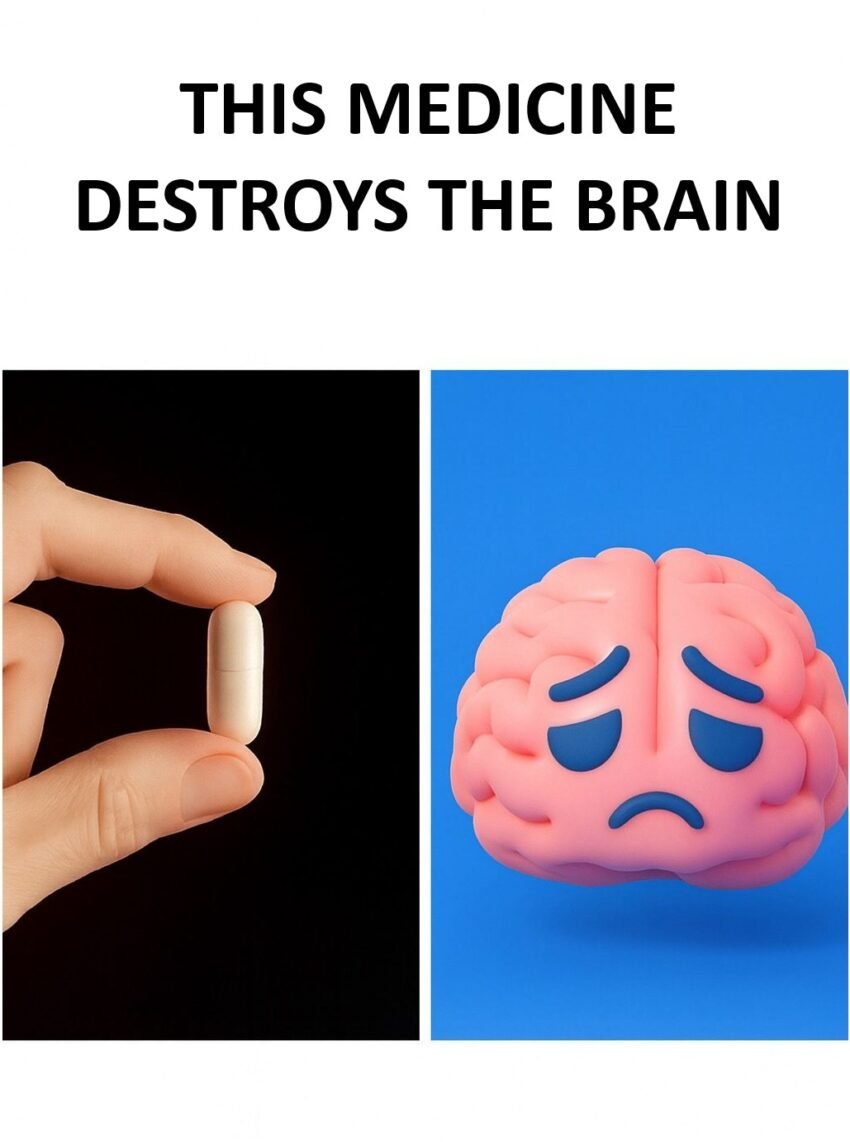
Alert: 8 Common Medications Linked to Increased Dementia Risk — What Every American Should Know
Some widely used medications may raise dementia risk. Learn 8 drug types linked to cognitive decline, warning signs, and safer alternatives.
If You’re Taking These Medications, Read This Carefully
Imagine doing everything right for your health — taking prescribed medications, managing symptoms, following doctor’s orders — only to later discover that one of those pills may quietly affect your memory.
That possibility understandably worries many Americans.
In recent years, researchers have explored how certain medications may be associated with increased dementia risk, particularly with long-term or high-dose use. While no medication directly “causes” dementia overnight, evidence suggests that some drug classes can contribute to cognitive decline — especially in older adults.
Before panic sets in, let’s be clear:
-
Many of these medications are safe and necessary when used correctly.
-
Risk often depends on dose, duration, and individual health factors.
-
Never stop a prescription without medical supervision.
This guide will walk you through 8 drug categories that research has linked to higher dementia risk, explain why it matters, and help you make informed decisions with your healthcare provider.
Understanding the Link Between Medications and Dementia
Dementia is not a single disease. It’s a broad term describing conditions that affect memory, reasoning, and daily functioning. The most common type is Alzheimer’s disease.
Some medications affect brain chemicals like acetylcholine, dopamine, or serotonin. When these systems are disrupted — especially over time — cognitive side effects may occur.
According to research from institutions such as Harvard University, medication-related cognitive impairment is often dose-dependent and may be reversible in some cases.
Let’s explore the most commonly discussed drug classes.
1. Anticholinergic Medications
These are consistently the most studied in dementia research.
Common Uses
-
Allergies
-
Overactive bladder
-
Motion sickness
-
Depression
-
Insomnia
Examples
-
Diphenhydramine (commonly found in OTC sleep aids)
-
Oxybutynin
-
Certain tricyclic antidepressants
Why They’re Concerning
Anticholinergics block acetylcholine — a neurotransmitter crucial for memory and learning.
Long-term use has been associated with increased dementia risk in multiple observational studies.
Risk Factors
-
Daily use for several years
-
Adults over 65
-
Taking multiple anticholinergic drugs at once
2. Benzodiazepines (Anti-Anxiety & Sleep Medications)
Common Examples
-
Diazepam
-
Lorazepam
-
Alprazolam
These drugs calm the nervous system and are often prescribed for anxiety, insomnia, or panic disorders.
The Concern
Long-term use has been associated with memory problems and increased dementia risk in some studies, though results remain debated.
Short-term use under medical supervision is typically considered safe.
Red Flag
Using benzodiazepines nightly for months or years without reassessment.
3. Certain Sleep Aids (Especially OTC)
Over-the-counter sleep medications often contain diphenhydramine — an anticholinergic.
Millions of Americans rely on these for occasional insomnia.
The issue arises when “occasional” becomes nightly.
Why It Matters
Chronic use may compound cognitive risk, especially in older adults.
Safer sleep strategies may include:
-
Cognitive behavioral therapy for insomnia (CBT-I)
-
Melatonin (under guidance)
-
Sleep hygiene improvements
4. Proton Pump Inhibitors (PPIs)
Examples
-
Omeprazole
-
Esomeprazole
Used for acid reflux and GERD.
Some observational studies suggested a possible association with dementia, though findings are mixed and not definitive.
Important Context
Major medical organizations emphasize that PPIs are safe when medically necessary. Risk may increase with prolonged, unnecessary use.
5. Antipsychotic Medications
Used for:
-
Schizophrenia
-
Bipolar disorder
-
Severe depression
-
Behavioral symptoms in dementia patients
Antipsychotics may worsen cognitive decline in certain populations, particularly elderly individuals with pre-existing dementia.
The FDA has issued warnings regarding increased mortality risk when used in dementia-related psychosis.
6. Opioid Pain Medications
Chronic opioid use has been linked to cognitive impairment.
Examples include:
-
Oxycodone
-
Hydrocodone
-
Morphine
Long-term exposure may impact attention, memory, and executive function.
Risk Amplifiers
-
High dosage
-
Polypharmacy (multiple medications)
-
Older age
7. Some Antidepressants (Older Generations)
Not all antidepressants are problematic.
However, older tricyclic antidepressants (TCAs) have anticholinergic properties.
Newer SSRIs generally have lower cognitive risk profiles.
8. Bladder Control Medications
Drugs for overactive bladder often have strong anticholinergic effects.
Examples include:
-
Oxybutynin
-
Tolterodine
Long-term use in older adults has been linked to increased dementia risk in several studies.
Why This Matters in the United States
America has a rapidly aging population.
According to the Centers for Disease Control and Prevention, millions of Americans live with dementia — and that number is expected to grow.
At the same time:
-
Prescription medication use is widespread.
-
Polypharmacy is common in adults over 60.
-
Many OTC drugs are used long-term without medical review.
Understanding medication risks empowers patients to make smarter choices.
Important: Correlation vs. Causation
Most research linking these drugs to dementia is observational.
That means:
-
The medication may not directly cause dementia.
-
The underlying condition being treated may contribute.
-
Lifestyle and genetics also play major roles.
Never interpret headlines as definitive proof.
Step-by-Step: What You Should Do If You’re Concerned
Step 1: Don’t Panic or Stop Suddenly
Abrupt discontinuation can cause withdrawal or serious complications.
Step 2: Review Your Medication List
Include:
-
Prescriptions
-
OTC medications
-
Supplements
Step 3: Ask Your Doctor These Questions
-
Is this medication still necessary?
-
Are there lower-risk alternatives?
-
Can the dose be reduced?
-
How long should I continue this?
Step 4: Explore Non-Drug Alternatives
Depending on your condition:
-
Behavioral therapy
-
Physical therapy
-
Diet changes
-
Stress reduction techniques
-
Sleep therapy
Common Mistakes People Make
-
Stopping medication without supervision
-
Ignoring subtle memory changes
-
Assuming OTC drugs are harmless
-
Using multiple anticholinergic drugs unknowingly
-
Avoiding necessary medications out of fear
Balance is key.
Expert Insights Most People Don’t Hear
-
Cognitive side effects may improve after discontinuation in some cases.
-
Medication risk often increases when combined with dehydration or sleep deprivation.
-
Regular medication reviews (at least annually) are recommended for adults over 65.
-
Even modest dose reductions can reduce anticholinergic burden.
Pros and Cons of Medication Adjustment
| Option | Pros | Cons |
|---|---|---|
| Discontinuing unnecessary drug | Reduces cognitive burden | May worsen original condition |
| Switching to alternative | Lower dementia risk | Adjustment period |
| Lowering dose | Maintains benefit | May reduce symptom control |
| Adding therapy | Non-drug support | Requires commitment |
Mini Case Scenario
A 72-year-old woman in Florida had increasing memory lapses.
She was taking:
-
An antihistamine nightly
-
A bladder medication
-
A benzodiazepine for sleep
Her physician reduced anticholinergic exposure gradually.
Within months, cognitive symptoms improved.
Not all cases resolve — but medication review made a difference.
Frequently Asked Questions
Do these drugs directly cause Alzheimer’s?
No drug has been proven to directly cause Alzheimer’s, but some are associated with higher risk in long-term studies.
Should I stop taking my anxiety medication?
Only after speaking with your doctor.
Are all anticholinergics dangerous?
Not necessarily. Risk depends on dose, duration, and age.
Are newer antidepressants safer?
Generally, yes — especially SSRIs — but individual response varies.
Is occasional use risky?
Short-term or occasional use carries much lower risk than chronic daily use.
Does genetics matter?
Yes. Family history plays a significant role.
Can medication-induced memory problems be reversed?
Sometimes, especially if caught early.
Should older adults have medication reviews?
Yes — at least once per year.
2026 Outlook: Where Research Is Headed
Medical research is increasingly focused on:
-
Reducing anticholinergic burden
-
Personalized prescribing
-
Medication deprescribing programs
-
Digital cognitive monitoring tools
Preventive neurology is becoming a priority.
Action Checklist
✔ Review all medications
✔ Identify anticholinergic drugs
✔ Schedule a medication review
✔ Discuss alternatives
✔ Monitor memory changes
✔ Avoid long-term OTC sleep aids
✔ Stay informed
Medications save lives. They relieve pain. They control chronic conditions.
But like all powerful tools, they require oversight.
Some commonly used drugs may increase dementia risk — especially with long-term, high-dose use in older adults.
The solution isn’t fear.
It’s awareness.
Have an open conversation with your healthcare provider. Review what you’re taking. Ask questions.
Protecting your brain health is a lifelong strategy — and informed decisions today can make a meaningful difference tomorrow.
If this article was helpful, share it with a loved one who manages multiple medications. And if you have experience reviewing medications with a doctor, consider sharing your story below — it may help someone else take that first step.