The Incredible Benefits of Moringa Leaves: Nature’s Nutrient Powerhouse
Discover the amazing health benefits of moringa leaves — from boosting immunity to supporting digestion, heart health, and more.
Introduction: Why Moringa Leaves Are Called the “Miracle Tree”
Moringa leaves come from the tree Moringa oleifera, often nicknamed the “miracle tree” because almost every part of it is packed with nutrients.
Consumed widely in parts of Asia, Africa, and increasingly in the U.S., moringa leaves are prized for their dense nutritional profile and potential health-supportive effects.
In this guide, you’ll learn:
-
Key nutrients in moringa leaves
-
Proven health benefits
-
How to consume them safely
-
Practical tips for incorporating them into your daily routine
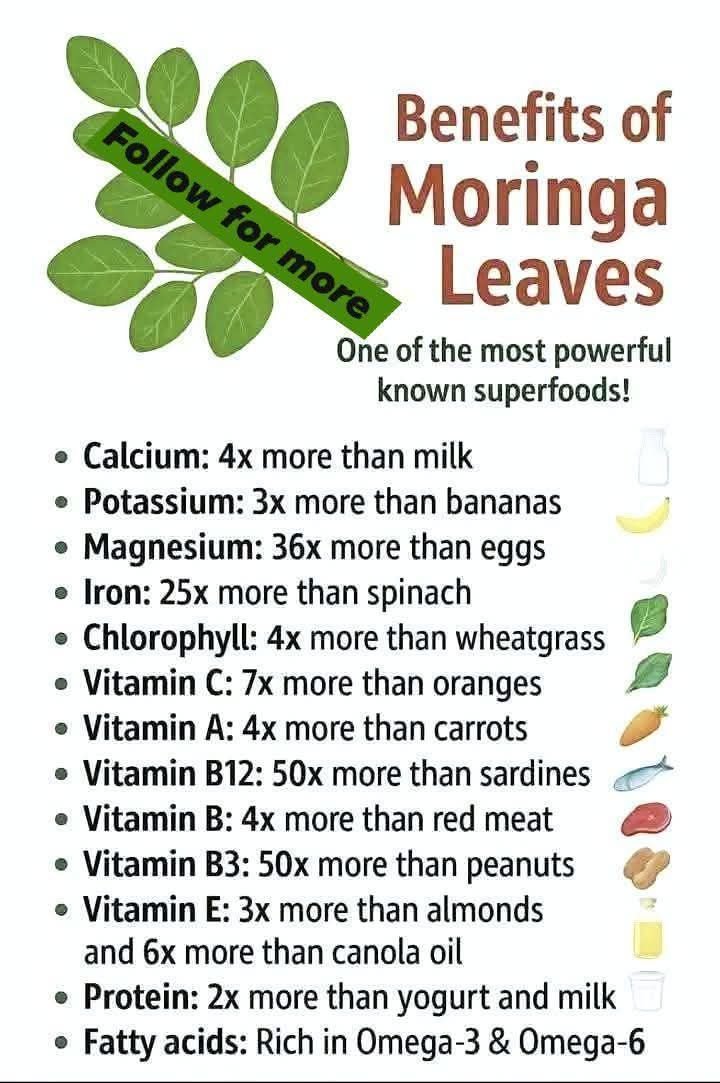
Nutritional Power of Moringa Leaves
Moringa leaves are a concentrated source of vitamins, minerals, and bioactive compounds:
-
Vitamins: A, C, E, K, and B-complex
-
Minerals: Calcium, potassium, magnesium, iron, and zinc
-
Protein: Contains essential amino acids
-
Antioxidants: Quercetin, chlorogenic acid, and beta-carotene
-
Anti-inflammatory compounds: Isothiocyanates and flavonoids
This makes them a natural option for supporting overall health and vitality.
Top Benefits of Moringa Leaves
1. Immune System Support
Moringa leaves are rich in vitamin C and antioxidants, which help strengthen the immune system and protect cells from oxidative stress.
Practical Tip: Add fresh leaves or powdered moringa to smoothies or teas during cold and flu season.
2. Anti-Inflammatory Properties
Compounds like isothiocyanates in moringa leaves may help reduce inflammation in the body, potentially benefiting conditions like arthritis or chronic inflammation.
Use Case: Incorporate moringa powder into soups or stews for a gentle, anti-inflammatory boost.
3. Blood Sugar Regulation
Several studies suggest moringa leaves may help stabilize blood sugar levels, supporting metabolic health for people with type 2 diabetes.
How to Use: Drinking moringa leaf tea or adding moringa powder to meals may contribute to blood sugar management alongside a balanced diet.
4. Heart Health
Moringa leaves contain antioxidants and potassium, which may help maintain healthy blood pressure and support overall heart function.
Tip: Pair with a low-sodium diet and regular exercise for the best results.
5. Digestive Support
High in fiber, moringa leaves can promote healthy digestion and prevent constipation.
Practical Idea: Add fresh leaves to salads, or mix powder into water or yogurt.
6. Bone and Joint Health
Moringa leaves provide calcium, phosphorus, and vitamin K — nutrients essential for strong bones and joints.
Use Case: Include moringa powder in your morning smoothie to support bone health over time.
7. Skin and Hair Benefits
The vitamin A, C, and E content helps:
-
Promote healthy skin
-
Reduce oxidative damage
-
Strengthen hair follicles
Tip: Moringa-infused oils or powders can be applied topically or consumed for internal support.
8. Liver Health
Moringa leaves contain antioxidants that may help protect the liver from oxidative stress, supporting detoxification processes.
Important: This is supportive, not a replacement for medical care.
How to Consume Moringa Leaves
Fresh Leaves
-
Can be cooked like spinach or added to soups and stews.
Powdered Moringa
-
Stir into smoothies, teas, or oatmeal.
-
Convenient for busy lifestyles.
Capsules or Supplements
-
Useful if fresh or powdered forms are unavailable.
-
Choose high-quality, standardized products.
Safety and Precautions
-
Start with small amounts if you’re new to moringa, as large doses may cause digestive upset.
-
Pregnant or breastfeeding women should consult a healthcare provider before taking concentrated supplements.
-
Avoid excessive use of root or bark extracts, as they may be toxic in high doses.
Frequently Asked Questions
1. Can moringa leaves help with weight management?
Yes, their high fiber content supports satiety and digestion, which can aid weight control.
2. Are moringa leaves safe for children?
Fresh or powdered leaves in small amounts are generally safe.
3. Can I drink moringa tea daily?
Yes, 1–2 cups per day is safe for most adults.
4. Does cooking destroy nutrients?
Light cooking is fine, but raw or lightly steamed leaves retain the most nutrients.
5. Can moringa leaves help with inflammation?
Yes, the anti-inflammatory compounds may provide mild support.
6. How do I choose quality moringa powder?
Look for organic, non-GMO, and minimally processed options.
7. Can moringa leaves support immune health?
Yes, thanks to vitamins, minerals, and antioxidants.
Moringa leaves are a nutrient-dense superfood that may support:
-
Immune function
-
Digestive health
-
Blood sugar regulation
-
Heart, liver, and bone health
-
Skin and hair vitality
Incorporating moringa leaves into your diet is safe, versatile, and easy, making them a powerful addition to a balanced, health-conscious lifestyle.