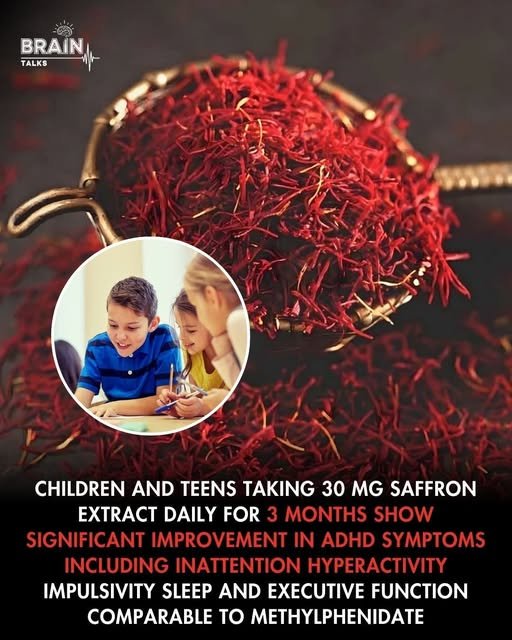
Can 30mg of Saffron a Day Really Improve ADHD Symptoms? The Results May Surprise You!
Discover how 30mg of saffron daily may affect ADHD symptoms, what research says, and safe ways to incorporate this natural supplement into your routine.
The Curious Case of Saffron and ADHD
Attention Deficit Hyperactivity Disorder (ADHD) affects millions of Americans, making focus, attention, and impulse control daily challenges for children and adults alike.
Recently, a natural supplement is gaining attention: saffron. Known for its vibrant color and distinct flavor, saffron has also been studied for mood regulation, cognition, and now ADHD symptoms.
Could just 30mg a day actually make a difference? Let’s dive into the science, real-world experiences, and expert advice.
What Is Saffron and How Does It Work?
Saffron comes from the stigma of the Crocus sativus flower. It contains active compounds like crocin, crocetin, and safranal.
Research suggests saffron may:
-
Increase serotonin and dopamine levels, which regulate mood and focus
-
Support neurotransmitter balance linked to attention and hyperactivity
-
Act as an antioxidant and anti-inflammatory agent, protecting brain cells
These properties make saffron a candidate for natural support in ADHD management.
What Research Says About 30mg of Saffron
Several clinical studies have explored saffron’s potential in ADHD:
Key Findings
-
Comparable to Standard Medication
-
A 2021 study compared 30mg/day of saffron to methylphenidate (a common ADHD medication).
-
Results showed similar improvements in attention, hyperactivity, and impulsivity, with fewer side effects reported in the saffron group.
-
-
Improved Mood and Focus
-
Participants reported better concentration and fewer mood swings.
-
Anxiety and irritability often linked to ADHD were also reduced.
-
-
Safe and Well-Tolerated
-
30mg/day is generally safe for adults and children over medical supervision.
-
Mild side effects may include nausea or dizziness but are rare.
-
Note: Always consult a healthcare professional before replacing or supplementing prescribed ADHD medication.
How to Safely Take Saffron for ADHD
Recommended Approach
-
Dosage: 30mg daily, typically divided into two doses
-
Form: Standardized saffron extract capsules or powders
-
Duration: Studies typically test effects over 4–8 weeks
-
Monitoring: Track attention, focus, and behavior daily
Safety Tips
-
Ensure the product is from a reputable source—saffron adulteration is common
-
Avoid doses over 1.5g/day, which can be toxic
-
Pregnant or breastfeeding individuals should avoid saffron supplementation
Real-Life Scenario
Sarah, a 28-year-old software developer, struggled with focus and distractibility. After discussing with her doctor, she added 30mg of saffron daily to her routine while maintaining lifestyle habits like exercise and healthy sleep.
Within six weeks, she noticed:
-
Easier focus during work tasks
-
Reduced impulsive behaviors
-
More stable mood throughout the day
She emphasized that saffron wasn’t a magic cure, but a helpful natural complement to her overall ADHD management plan.
Pros and Cons of Saffron for ADHD
Pros
-
Natural alternative or complement to medication
-
May improve focus, mood, and emotional regulation
-
Generally well-tolerated with minimal side effects
Cons
-
Effects may vary by individual
-
Expensive compared to standard supplements
-
Not a replacement for professional ADHD treatment
Practical Tips to Maximize Benefits
-
Pair with Lifestyle Strategies
-
Regular exercise, balanced diet, and structured routines enhance results.
-
-
Track Your Progress
-
Keep a daily log of focus, attention, and mood changes.
-
-
Combine Mindfully
-
Avoid combining saffron with other supplements affecting serotonin without consulting a doctor.
-
FAQs: People Also Ask
Q1: Can children take 30mg of saffron daily?
Some studies include children under supervision. Always consult a pediatrician before supplementation.
Q2: How long before I notice improvements?
Research suggests 4–8 weeks for noticeable effects.
Q3: Can saffron replace ADHD medication?
Not without medical guidance. It may complement medication but is not a guaranteed replacement.
Q4: Are there side effects?
Rarely mild nausea, dizziness, or headache. Toxicity occurs at very high doses.
Q5: Can saffron improve sleep in ADHD?
Saffron may support mood and relaxation, indirectly improving sleep quality.
Q6: Is saffron safe long-term?
At recommended doses, yes, but always monitor for side effects and consult your doctor.
Q7: Does saffron interact with other medications?
Caution with antidepressants, blood thinners, or blood pressure medications.
Q8: What is the best form of saffron for ADHD?
Standardized extract capsules are most studied and convenient.
Quick Action Checklist
✔ Discuss saffron supplementation with your healthcare provider
✔ Start with 30mg/day in standardized capsule form
✔ Track attention, focus, and mood over several weeks
✔ Maintain lifestyle strategies like sleep, exercise, and diet
✔ Watch for mild side effects and adjust as needed
Conclusion: A Natural Ally Worth Considering
Saffron is emerging as a promising, natural option for ADHD support. While not a replacement for prescribed treatments, 30mg daily may help improve focus, mood, and emotional regulation with minimal side effects.
For anyone exploring natural options, saffron offers a scientifically backed way to support brain function and quality of life.
-
30mg/day of saffron may improve ADHD symptoms in adults and children under supervision
-
Works by supporting neurotransmitters and reducing oxidative stress
-
Safe when sourced properly and taken in recommended doses
-
Best used alongside lifestyle strategies and professional guidance
Small, natural changes—like adding saffron—can make a big difference in daily focus and emotional balance.