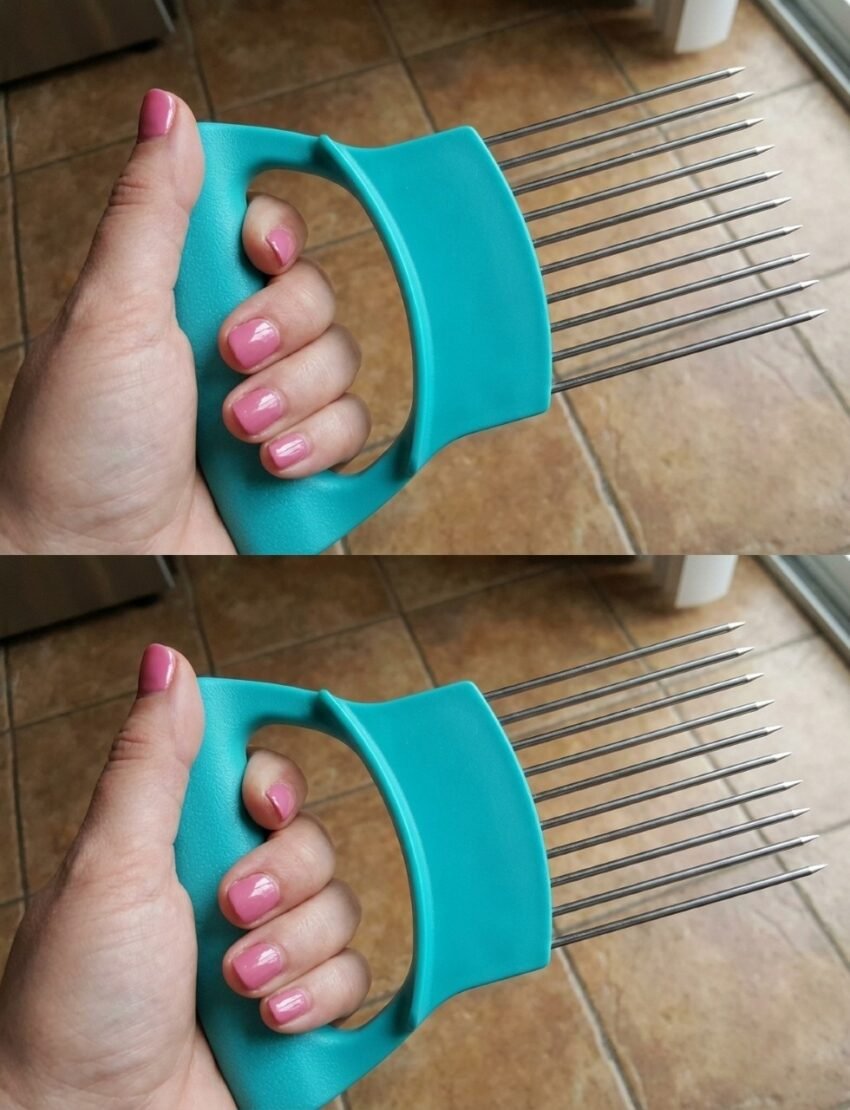
Can Anyone Identify This Thrift Store Find? A Guide to Mystery Kitchenware
Discover how to identify mystery kitchen items found at thrift stores. Learn tips for recognizing vintage tools, utensils, and gadgets and how to use them safely.
Introduction: The Thrill of Thrift Store Finds
Thrift stores are treasure troves of unique kitchenware — from vintage utensils to quirky gadgets. But sometimes, you pick up an item and have no idea what it’s for. Maybe it’s a metal contraption, a wooden tool, or a ceramic piece you’ve never seen before.
In this guide, we’ll explore how to identify mystery kitchen items, what clues to look for, and how to make the most of these finds safely.
Step 1: Examine the Material and Construction
The first step is to look closely at what the item is made of:
-
Metal: Stainless steel, aluminum, or cast iron often indicates cooking tools.
-
Wood: Usually cutting boards, pestles, or rolling tools.
-
Plastic or Silicone: Often modern utensils, spatulas, or molds.
-
Ceramic or Glass: Could be measuring tools, juicers, or decorative pieces.
Tip: Check for markings, brand names, or “Made in…” stamps — these can provide clues about the item’s purpose and age.
Step 2: Look for Moving Parts or Functional Features
Many mystery kitchen tools have mechanical or moving parts:
-
Screws, levers, or handles may indicate manual devices like juicers, egg beaters, or slicers.
-
Holes, perforations, or mesh surfaces often signal strainers, graters, or sifting tools.
-
Compartments or removable pieces can indicate storage or measurement functions.
Step 3: Compare with Online Resources
If you’re still unsure, use online tools:
-
Google Image Search: Upload a photo and search visually for similar items.
-
Kitchenware Forums: Reddit’s r/Kitchen or r/ThriftStore finds are great communities.
-
Etsy or eBay: Many vintage items are listed with full descriptions — this can help identify obscure gadgets.
Tip: Keywords like “vintage kitchen tool” + material or shape help narrow results.
Step 4: Test Function Safely
Once you think you know the purpose:
-
Clean it thoroughly — many thrift items are dusty or greasy.
-
Test carefully on small tasks. For example: if it looks like a slicer, try slicing soft vegetables first.
-
Avoid using for food if the material is corroded, cracked, or unsafe.
Common Mystery Kitchen Items Found at Thrift Stores
-
Nut Cracker / Garlic Press: Metal tools with handles and hinges.
-
Vintage Egg Beaters: Hand-crank beaters from mid-1900s kitchens.
-
Butter Churns or Molds: Wooden or ceramic with removable compartments.
-
Old Juicers or Citrus Presses: Metal or glass with ridges and holes.
-
Food Mills or Graters: Often cast iron with cranks and perforated disks.
Tips for Collecting Mystery Kitchenware
-
Document Your Finds: Take photos and note any markings.
-
Research Before Use: Some vintage items aren’t food-safe.
-
Ask the Community: Kitchenware enthusiasts love solving mysteries.
-
Display as Decor: Even if non-functional, many pieces make charming vintage decor.
Frequently Asked Questions
1. How can I tell if a vintage kitchen item is safe to use?
-
Check for rust, cracks, or lead in older ceramics. Stick to cleaned and intact materials.
2. Can old kitchenware add value to my home?
-
Yes — many collectors pay for vintage utensils, glassware, or gadgets, especially branded or rare items.
3. How do I clean mystery items safely?
-
Use warm soapy water, avoid harsh chemicals on metal or wood, and dry thoroughly to prevent rust.
4. What if I can’t identify an item?
-
Don’t worry — it can still be displayed as decor or conversation pieces.
Thrift store kitchenware is full of surprises. With a little curiosity, research, and careful testing, you can identify, use, and enjoy unique tools that bring both function and charm to your kitchen.
Remember: safety first, curiosity second — and every mystery item has a story waiting to be discovered!