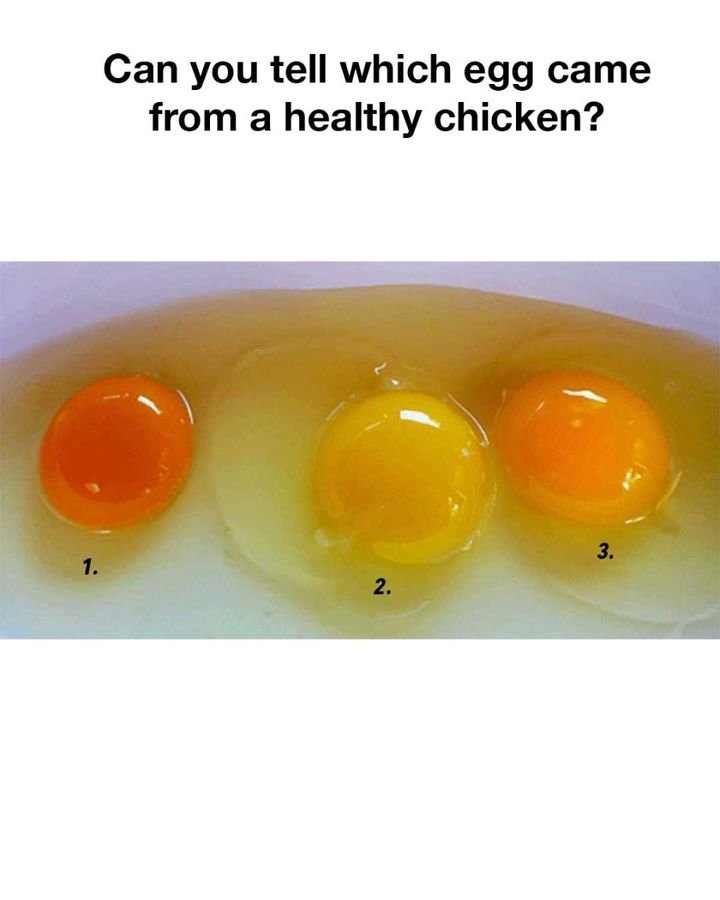
Can You Tell Which Egg Came from a Healthy Chicken? Here’s What Experts Say
Not all eggs are created equal. Learn how to identify eggs from healthy chickens, what to look for in quality eggs, and tips for buying nutrient-rich options.
Introduction: The Egg Dilemma
Eggs are a staple in many American households — scrambled, fried, boiled, or baked into your favorite recipes.
But have you ever wondered: can you tell which egg came from a healthy chicken?
It’s more than just a question of taste. Eggs from healthy chickens are often more nutritious, safer, and better for the environment, while eggs from unhealthy or stressed hens can sometimes lack certain nutrients.
This guide will help you understand:
-
How to identify eggs from healthy chickens
-
The differences between egg types in the US
-
Tips for choosing eggs that support your health
What Makes a Chicken Healthy?
A healthy chicken typically has:
-
A balanced diet rich in grains, greens, and protein
-
Access to sunlight or outdoor space to support vitamin D and natural behaviors
-
Proper living conditions — clean, low-stress environments prevent disease
-
No unnecessary antibiotics or hormones (which are prohibited in US egg production anyway)
Eggs from chickens raised in these conditions tend to have:
-
Higher omega-3 fatty acids
-
More vitamins A, E, and D
-
Better yolk color and texture
Egg Features That Hint at Chicken Health
While you can’t tell everything from the outside, some indicators can help:
1. Yolk Color
-
Bright orange or deep yellow yolks usually indicate a nutrient-rich diet, often including greens, grains, or natural pigments.
-
Pale yolks may suggest a diet heavy in processed feed.
2. Shell Quality
-
Strong, smooth shells indicate a chicken with good calcium intake and overall health.
-
Thin, brittle shells can result from stress, age, or nutritional deficiencies.
3. Egg Size and Shape
-
Healthy chickens produce eggs of consistent size and shape.
-
Oddly shaped eggs occasionally happen but frequent irregularities may indicate stress or poor diet.
4. Labels and Certifications
Look for US labeling such as:
-
Pasture-raised – Chickens have outdoor access
-
Organic – Chickens eat organic feed
-
Free-range – Chickens have limited outdoor access
-
Omega-3 enriched – Feed supplemented to boost nutrient content
The Limitations: Why You Can’t Always Tell
Even with careful observation, some things cannot be judged by appearance alone:
-
Internal nutrients – Vitamin and fatty acid content depends heavily on feed, not visible traits.
-
Chicken health history – Stress, illness, or environment may not always affect shell or yolk noticeably.
-
Misleading labels – Terms like “cage-free” don’t always guarantee better living conditions.
For maximum confidence, it’s best to source eggs from trusted local farms or suppliers with transparent practices.
Tips for Choosing Eggs from Healthy Chickens
-
Check labels carefully – Pasture-raised, organic, and free-range are good indicators.
-
Support local farms – Local farmers often provide healthier conditions and fresh eggs.
-
Observe yolk color – Rich orange yolks usually indicate a diverse diet.
-
Avoid overly processed eggs – Bulk factory eggs may come from high-density production.
-
Consider seasonal and regional variations – Chickens eating natural diets produce eggs with seasonal nutrient variation.
FAQ: Eggs and Chicken Health
Q: Do brown eggs come from healthier chickens than white eggs?
A: No. Shell color is breed-specific and not an indicator of health.
Q: Are organic eggs always better?
A: Organic feed is healthier for chickens, but living conditions matter too.
Q: Does egg freshness indicate chicken health?
A: Freshness depends on storage; it doesn’t always reflect the chicken’s overall health.
Q: Can I tell the egg is healthy by taste?
A: Sometimes; richer yolks may taste more flavorful, but taste alone isn’t definitive.
Q: How can I ensure I’m buying eggs from healthy chickens?
A: Buy from reputable local farms, pasture-raised programs, or brands with transparent sourcing.
While you can’t tell everything about a chicken’s health just by looking at an egg, certain signs — yolk color, shell strength, and reliable labeling — give strong hints.
For the healthiest eggs:
-
Prioritize pasture-raised or organic eggs
-
Support trusted local suppliers
-
Look for vibrant yolks and strong shells
-
Combine observation with transparency from producers
Ultimately, healthy chickens produce eggs that nourish your body and taste better, making mindful choices worth the effort.