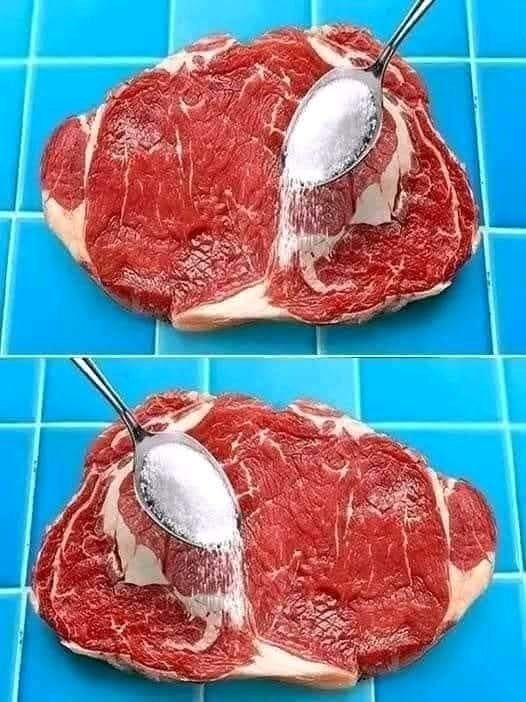
Chefs’ Secret: 1 Simple Ingredient That Makes Meat Incredibly Tender Every Time
Discover the chef-approved secret ingredient that makes meat unbelievably tender before cooking. Learn the simple trick, step-by-step methods, and pro tips.
Why Some Meat Turns Tough — Even When You Follow the Recipe
You’ve probably experienced it.
You buy a beautiful steak, season it carefully, cook it exactly as the recipe suggests… and yet the final result is chewy, dry, or disappointingly tough.
It’s frustrating, especially when good meat isn’t cheap in the United States. According to data from the U.S. Department of Agriculture, Americans consume more than 220 pounds of meat per person each year, making it one of the most common ingredients in home kitchens.
So when meat doesn’t turn out tender, it feels like a waste of both money and effort.
Professional chefs, however, rarely run into this problem. Whether they’re preparing steak in a New York bistro or slow-cooking brisket in a Texas smokehouse, they rely on a simple pre-cooking trick that dramatically improves texture.
The surprising part?
The secret ingredient is something many people already have in their kitchen.
And when used correctly, it can make meat noticeably softer, juicier, and more flavorful before it even touches the heat.
In this guide, you’ll learn:
-
The chef-approved ingredient that tenderizes meat naturally
-
The science behind why it works
-
Step-by-step methods for using it correctly
-
Common mistakes most home cooks make
-
Expert techniques used in professional kitchens
-
Practical tips for steak, chicken, pork, and tougher cuts
Once you understand this technique, you’ll likely never cook meat the same way again.
The Secret Ingredient Chefs Use to Tenderize Meat
The surprisingly simple secret is baking soda.
Yes — the same baking soda sitting in many American pantries.
Professional chefs often use a technique called “velveting”, which involves coating meat lightly with baking soda before cooking. This method is widely used in restaurants because it changes the meat’s surface chemistry in a way that prevents proteins from tightening during cooking.
The result:
-
Softer texture
-
Juicier interior
-
Faster cooking
-
Better browning
This trick is especially useful for:
-
Beef stir-fry
-
Thin steak slices
-
Chicken breast
-
Pork strips
-
Tough cuts like flank steak or round
And the best part? It takes only 15–20 minutes to work.
The Science Behind Why Baking Soda Tenderizes Meat
Understanding why this works makes it easier to apply correctly.
Meat contains proteins that tighten when exposed to heat. When those proteins contract too much, they squeeze out moisture and make meat firm or rubbery.
Baking soda changes the pH level on the meat’s surface, making it more alkaline.
This creates two important effects:
1. Proteins Struggle to Bond Tightly
When the pH rises, proteins can’t bond as tightly during cooking.
This prevents the tough texture that normally develops.
2. Moisture Stays Inside the Meat
Because the muscle fibers don’t contract as aggressively, they retain more juices.
That means:
-
More tenderness
-
More flavor
-
Less dryness
Food scientists and culinary educators often explain this process in culinary schools across the U.S., and it’s widely used in restaurant kitchens because it’s fast, inexpensive, and reliable.
Step-by-Step Guide: How to Use Baking Soda to Tenderize Meat
Using this technique correctly matters. Too much baking soda can affect flavor.
Follow this professional method.
Step 1: Slice the Meat Properly
Cut the meat against the grain into slices or strips.
This shortens muscle fibers and improves tenderness.
Step 2: Sprinkle Baking Soda
Use a small amount:
-
½ teaspoon per pound of meat
Lightly coat the surface.
Do not overuse it.
Step 3: Massage the Meat
Gently rub the baking soda into the meat.
Ensure even coverage.
Step 4: Let It Rest
Leave the meat for 15–20 minutes at room temperature.
For thicker cuts, you can wait up to 30 minutes.
Step 5: Rinse Thoroughly
This step is essential.
Rinse the meat under cold water to remove excess baking soda.
Then pat dry with paper towels.
Step 6: Cook Normally
Now cook your meat using any method:
-
Grilling
-
Pan-searing
-
Stir-frying
-
Roasting
You’ll notice the meat browns beautifully and stays tender inside.
When This Technique Works Best
This trick shines with certain cuts of meat.
Here are some of the best uses.
| Meat Type | Best Cuts | Result |
|---|---|---|
| Beef | Flank, skirt, round | Much softer texture |
| Chicken | Breast or strips | Juicier and less rubbery |
| Pork | Loin slices | Tender bite |
| Stir-fry meats | Thin slices | Restaurant-quality tenderness |
It’s especially helpful when working with budget-friendly cuts that can otherwise turn tough.
Why This Matters for Home Cooks in the United States
American grocery stores offer a huge variety of meat cuts, but many households try to save money by choosing cheaper options.
Cuts like:
-
Chuck
-
Round
-
Flank
-
Shoulder
These cuts contain more connective tissue and muscle fibers.
Without proper preparation, they can become tough quickly.
Using a simple tenderizing step like baking soda helps transform these affordable cuts into restaurant-quality meals without expensive ingredients.
For families trying to cook more at home and control food budgets, this technique can make a noticeable difference.
Real-World Example: Turning a Tough Steak Into a Tender Dinner
Imagine buying an affordable flank steak from your local grocery store.
Normally, flank steak can be chewy if not cooked carefully.
Using the baking soda method:
-
Slice the steak thinly against the grain
-
Coat lightly with baking soda
-
Wait 20 minutes
-
Rinse and dry
-
Stir-fry in a hot skillet
The result?
The steak becomes remarkably tender, similar to what you’d expect in a restaurant stir-fry.
Many home cooks are surprised how dramatic the difference is.
Pros and Cons of the Baking Soda Tenderizing Method
Like any cooking technique, it has advantages and limitations.
Pros
✔ Works quickly
✔ Extremely inexpensive
✔ Improves texture significantly
✔ Great for tougher cuts
✔ Easy for beginners
Cons
✖ Too much baking soda affects taste
✖ Must rinse thoroughly
✖ Not ideal for large roasts
✖ Over-marinating can soften meat too much
When used correctly, however, the benefits far outweigh the drawbacks.
Other Ingredients That Naturally Tenderize Meat
Baking soda isn’t the only tenderizer chefs use.
Several natural ingredients break down muscle fibers.
Acidic Marinades
Acids weaken protein structures.
Examples:
-
Lemon juice
-
Vinegar
-
Buttermilk
Enzyme-Based Ingredients
Some fruits contain natural enzymes that soften meat.
Examples:
-
Pineapple (bromelain enzyme)
-
Papaya (papain enzyme)
-
Kiwi
Dairy Marinades
Yogurt and buttermilk gently tenderize while adding flavor.
These are popular in many global cuisines.
However, compared to these methods, baking soda works faster and more consistently.
Common Mistakes That Make Meat Tough
Even with good ingredients, cooking mistakes can ruin texture.
Here are the most common ones.
1. Skipping the Resting Step
Meat should rest after cooking so juices redistribute.
Cutting too soon releases moisture.
2. Cooking at Low Heat for Stir-Fry
High heat seals the outside quickly.
Low heat allows moisture loss.
3. Overcrowding the Pan
Too much meat lowers the pan temperature and causes steaming instead of searing.
4. Cutting With the Grain
This leaves long muscle fibers intact, making meat harder to chew.
Always slice against the grain.
Professional Chef Tips Most People Don’t Know
Many restaurant chefs combine several tenderizing strategies.
Here are a few insider techniques.
Salt Before Cooking
Lightly salting meat 40 minutes before cooking helps retain moisture.
Use High Heat for Searing
A hot skillet creates a flavorful crust while keeping the inside juicy.
Pat Meat Dry Before Cooking
Surface moisture prevents proper browning.
Dry meat = better sear.
Let the Meat Reach Room Temperature
Cold meat cooks unevenly.
Allow it to rest outside the fridge for 15–20 minutes before cooking.
2026 Cooking Trend: Smarter Home Kitchen Techniques
Cooking trends in the United States continue to shift toward efficient, science-based techniques.
More home cooks are embracing methods once reserved for professional kitchens, such as:
-
Sous-vide cooking
-
Reverse searing
-
Dry brining
-
Velveting with baking soda
Food education platforms and cooking schools emphasize these methods because they deliver consistent results with simple tools.
As kitchen knowledge spreads online, techniques like this are becoming far more common among everyday cooks.
Beginner-Friendly Meat Tenderizing Checklist
Use this quick reference before cooking meat.
✔ Slice against the grain
✔ Use ½ teaspoon baking soda per pound
✔ Massage lightly
✔ Rest 15–20 minutes
✔ Rinse thoroughly
✔ Pat dry before cooking
✔ Use high heat for searing
✔ Rest meat after cooking
Following this routine dramatically increases your chances of perfectly tender meat.
Frequently Asked Questions
Does baking soda change the flavor of meat?
If used correctly and rinsed well, it does not noticeably affect taste.
Using too much can create a slightly alkaline flavor.
How long should baking soda stay on meat?
Typically 15–20 minutes.
Thicker cuts can rest for 30 minutes.
Can this method work on steak?
Yes. It works best for thin steak slices or stir-fry meat rather than large whole steaks.
Do restaurants really use this trick?
Yes. Many restaurants use variations of the velveting technique to keep meats tender in stir-fry dishes.
Is baking soda better than a marinade?
It works faster. Marinades add flavor but often require hours instead of minutes.
Should I still season the meat afterward?
Yes. Rinse the baking soda, then season normally with salt, pepper, or spices.
Can I tenderize chicken with baking soda?
Absolutely. It works especially well for chicken breast strips.
Does this work for grilling?
It can help with thin cuts, but for thicker grilling steaks, dry brining or marinating may be better.
What meats should not use baking soda?
Avoid using it on:
-
Large roasts
-
Whole brisket
-
Thick premium steaks
These cuts benefit more from slow cooking or dry aging.
Tender meat doesn’t always require expensive cuts or complicated recipes.
Sometimes, the biggest improvements come from simple techniques used by professional chefs.
A small amount of baking soda — applied correctly before cooking — can transform tougher cuts into juicy, tender, restaurant-quality meat in less than 30 minutes.
For home cooks, it’s one of the most practical kitchen tricks to learn.
Final Thoughts
Cooking great meat isn’t just about the cut you buy — it’s about how you prepare it before it hits the pan.
Once you understand the science behind tenderizing techniques like baking soda velveting, you gain a powerful tool that can elevate everyday meals.
Try the method the next time you cook steak, chicken, or pork.
You might be surprised how big the difference feels on the very first bite.
If you found this guide helpful, consider sharing it with fellow home cooks or saving it for your next dinner experiment. And if you’ve tried this technique before, feel free to share your experience — great cooking tips are always better when they’re passed around the kitchen.