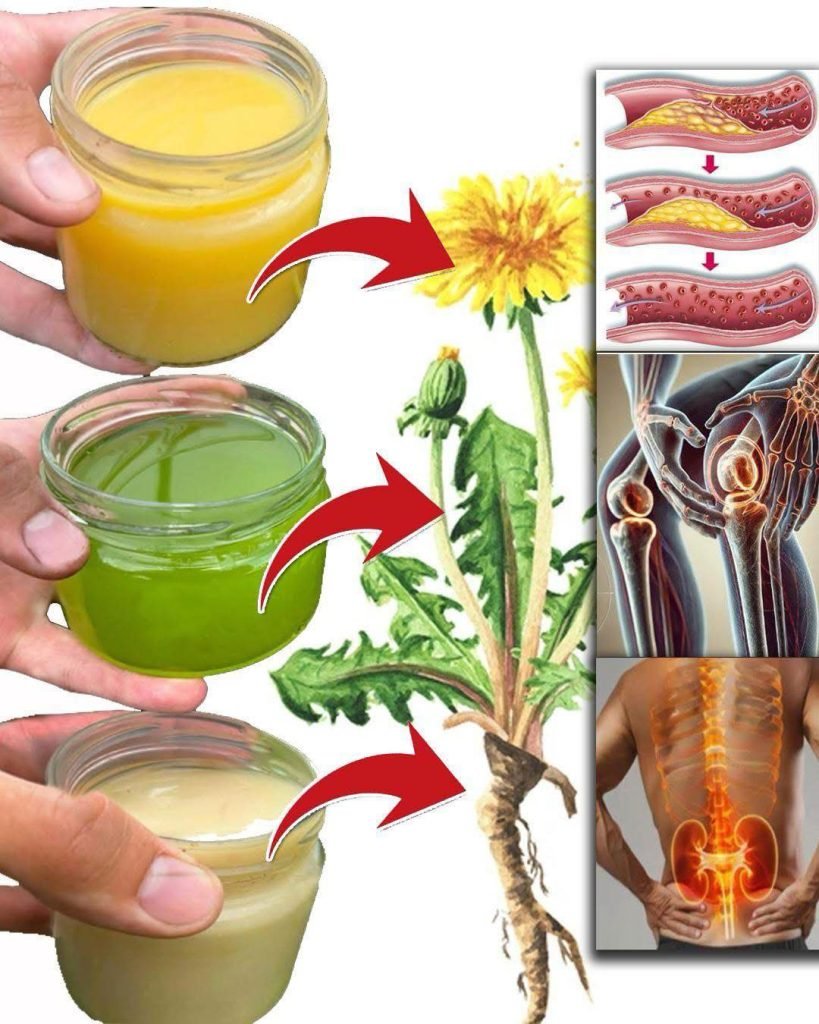
Dandelion: 30 Surprising Benefits of This Overlooked Plant Treasure
Discover 30 surprising benefits of dandelion from nutrition and digestion support to garden perks. Learn how to use it safely and smartly.
Most people see a dandelion and think one thing:
Weed.
They pull it. Spray it. Ignore it.
But that bright yellow flower pushing through sidewalk cracks? It’s one of the most resilient, nutrient-dense, and surprisingly useful plants in North America.
For generations, dandelion has been used in kitchens, herbal traditions, and even soil restoration projects. Today, as interest in natural wellness and sustainable living grows across the United States, this humble plant is getting a second look.
Let’s explore 30 surprising properties of dandelion — and why you may never look at your lawn the same way again.
What Is Dandelion, Really?
The common dandelion is known scientifically as Taraxacum officinale.
It’s native to Europe but now thrives across North America — in lawns, parks, fields, and roadsides.
Every part of the plant is usable:
-
Leaves
-
Roots
-
Flowers
-
Stems
And each part offers something different.
🌿 Nutritional Powerhouse (Properties 1–10)
1. Rich in Vitamins A, C, and K
Dandelion greens contain impressive levels of vitamin K, which supports normal blood clotting and bone health.
2. Source of Antioxidants
The plant contains beta-carotene and polyphenols, which help protect cells from oxidative stress.
3. Natural Source of Fiber
Dandelion root contains inulin, a prebiotic fiber that supports gut health.
4. Contains Iron
Useful in balanced diets, especially plant-forward ones.
5. Provides Potassium
Potassium supports normal muscle and nerve function.
6. Low-Calorie Nutrient Density
You get nutrition without high calorie intake.
7. Natural Plant Compounds
Includes flavonoids and phenolic acids studied for health-supporting properties.
8. Supports Balanced Diets
Adds variety to salads and cooked greens.
9. Root Contains Prebiotic Compounds
Helps nourish beneficial gut bacteria.
10. Caffeine-Free Alternative Ingredient
Roasted dandelion root is often used in caffeine-free coffee substitutes.
🌼 Traditional Wellness Uses (Properties 11–18)
For centuries, dandelion has appeared in herbal traditions.
Important note: Always consult a healthcare professional before using herbs for medical purposes.
11. Traditionally Used for Digestive Support
Dandelion bitters have historically been used to stimulate appetite.
12. Traditionally Associated With Liver Support
Herbal traditions link dandelion root with liver wellness.
13. May Support Healthy Fluid Balance
Often described as a natural diuretic in traditional use.
14. Historically Used for Skin Health
Used in topical preparations.
15. Supports Natural Detox Pathways
Traditionally believed to help the body eliminate waste.
16. Used in Herbal Teas
Common in wellness tea blends.
17. Traditionally Used for Mild Bloating
Often included in digestive herbal formulas.
18. Used in Folk Remedies Across Cultures
European, Native American, and Asian traditions all recognized its value.
🌱 Garden & Environmental Benefits (Properties 19–23)
Dandelions aren’t just useful for people.
19. Early Spring Food for Pollinators
Bees rely on early blooms when few other flowers are available.
20. Deep Taproot Improves Soil
The long root helps break compacted soil.
21. Draws Nutrients Upward
Pulls minerals from deep soil layers.
22. Natural Ground Cover
Prevents soil erosion.
23. Supports Biodiversity
Encourages micro-ecosystem activity.
🍽 Culinary Uses (Properties 24–27)
24. Edible Leaves
Young leaves can be added to salads (similar to arugula).
25. Cooked Greens
Sautéed dandelion greens reduce bitterness.
26. Flower Fritters
A traditional spring treat in some regions.
27. Dandelion Wine
A classic homemade recipe in parts of rural America.
🌞 Lifestyle & Cultural Value (Properties 28–30)
28. Symbol of Resilience
Grows in tough conditions — often seen as a metaphor for persistence.
29. Seed Dispersal Fascination
The iconic puffball seed head is a favorite childhood memory.
30. Sustainable Wild Edible
Foragers appreciate it because it grows abundantly.
Why Most Americans Overlook It
Modern lawn culture emphasizes:
-
Uniform grass
-
Weed-free yards
-
Chemical treatments
As suburban lawn standards rose post-World War II, plants like dandelion became labeled as unwanted.
But perspectives are shifting.
With growing interest in:
-
Native gardening
-
Pollinator-friendly yards
-
Sustainable landscaping
Dandelions are being reevaluated.
Safety Considerations
While dandelion is widely used:
-
Avoid harvesting from chemically treated lawns.
-
Do not forage near roadsides (contamination risk).
-
Consult a healthcare professional before using herbal preparations, especially if pregnant or taking medications.
-
People allergic to ragweed may also react to dandelion.
Mini Real-Life Scenario
Imagine replacing part of your lawn with a pollinator-friendly patch.
Instead of spraying every yellow bloom, you let early dandelions flourish in spring.
Bees benefit. Soil improves. You reduce chemicals.
Small shift. Big impact.
Frequently Asked Questions
1. Is dandelion safe to eat?
Young leaves and roots are commonly consumed, but always ensure they’re pesticide-free.
2. Does dandelion really “detox” the body?
The body already has detox organs (liver, kidneys). Dandelion has traditional uses, but it’s not a miracle cleanser.
3. Can I drink dandelion tea daily?
Many people do, but consult a healthcare provider if you have medical conditions.
4. Are all dandelions edible?
Common dandelion (Taraxacum officinale) is most widely used.
5. Why are they considered weeds?
Because they spread easily and disrupt uniform lawns.
6. Do they harm grass?
They compete for nutrients but also improve soil structure.
7. When is the best time to harvest?
Early spring for leaves; fall for roots.
Quick Action Checklist
✔ Identify pesticide-free areas
✔ Harvest young leaves for less bitterness
✔ Wash thoroughly
✔ Try sautéing before eating raw
✔ Consult a professional for medicinal use
The dandelion isn’t just a weed.
It’s:
-
Nutritious
-
Resilient
-
Ecologically helpful
-
Historically valued
What we often dismiss as unwanted may actually be one of nature’s most generous plants.
Next time you see a bright yellow bloom in your yard, pause before pulling it.
It might be more valuable than you think.
If you’ve ever cooked with dandelion or used it in tea, share your experience — plant knowledge grows best when shared.