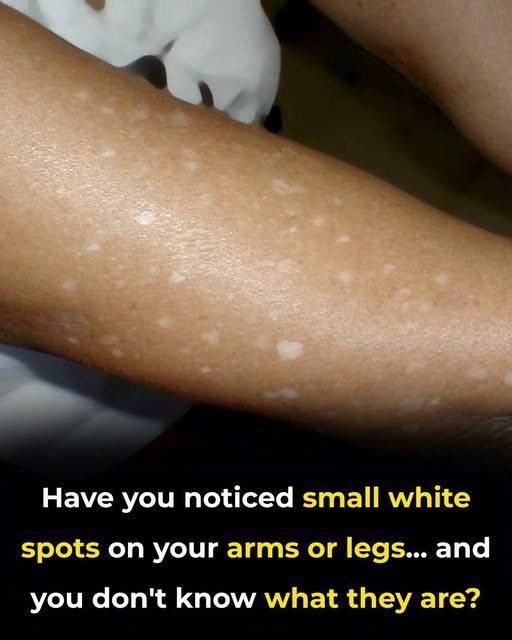
Small White Spots on Arms and Legs You Need To Know (Causes, Treatments, and When to See a Doctor)
Notice small white spots on your arms or legs? Learn the common causes, treatments, and when to seek medical advice to protect your skin health.
Introduction: Why Those White Spots Might Be Worrying
You look in the mirror and notice tiny white spots on your arms or legs.
At first, you might think it’s dry skin, a harmless pigment change, or a reaction to the sun. But these spots can sometimes indicate underlying skin conditions that deserve attention.
In the United States, millions of people experience minor skin changes every year, but understanding what these white spots mean is key to proper care.
In this article, we’ll explore:
-
Common causes of white spots on arms and legs
-
How to treat them at home and medically
-
Prevention strategies
-
When to see a dermatologist
Common Causes of Small White Spots
1. Tinea Versicolor (Fungal Infection)
-
What it is: A common yeast infection that disrupts skin pigmentation.
-
Appearance: Small, slightly scaly white or light-colored patches.
-
Symptoms: Mild itching, mostly on chest, back, arms, and legs.
-
Treatment: Antifungal creams, shampoos, or oral medication for severe cases.
2. Vitiligo (Loss of Skin Pigment)
-
What it is: An autoimmune condition where the skin loses melanin.
-
Appearance: Clearly defined white patches that may enlarge over time.
-
Symptoms: Usually no pain or itching.
-
Treatment: Topical corticosteroids, phototherapy, or cosmetic camouflage.
3. Idiopathic Guttate Hypomelanosis (Sun-Related Aging Spots)
-
What it is: Small, harmless white spots that often appear with age or sun exposure.
-
Appearance: Tiny, round, chalky white spots on arms, legs, and sometimes the face.
-
Symptoms: Generally asymptomatic.
-
Treatment: Usually none required; topical retinoids or laser therapy can improve appearance.
4. Eczema or Post-Inflammatory Hypopigmentation
-
What it is: Skin inflammation or healing after irritation can leave lighter patches.
-
Appearance: White or lighter areas where previous rashes occurred.
-
Symptoms: May be itchy or dry.
-
Treatment: Moisturizers, anti-inflammatory creams, and avoiding triggers.
5. Nutritional Deficiencies
-
What it is: Lack of vitamins like B12, calcium, or vitamin D can sometimes affect pigmentation.
-
Appearance: Small, scattered white spots.
-
Symptoms: May coincide with other health issues like fatigue or brittle nails.
-
Treatment: Dietary adjustments or supplements after consulting a doctor.
6. Pityriasis Alba
-
What it is: Mild skin condition common in children and adults, often linked to dry skin.
-
Appearance: Faint white patches, sometimes slightly scaly.
-
Symptoms: Usually asymptomatic, occasionally itchy.
-
Treatment: Moisturizers and mild topical steroids if needed.
How to Treat White Spots on Arms and Legs
Treatment depends on the underlying cause:
| Cause | Treatment |
|---|---|
| Tinea versicolor | Antifungal creams, medicated shampoos, oral antifungal medication if severe |
| Vitiligo | Topical corticosteroids, phototherapy, cosmetic camouflage |
| Guttate hypomelanosis | Usually none; cosmetic treatments optional |
| Post-inflammatory hypopigmentation | Moisturizers, anti-inflammatory creams |
| Nutritional deficiencies | Vitamin and mineral supplementation, balanced diet |
| Pityriasis alba | Regular moisturizers, mild steroid creams for flare-ups |
Home Care Tips
-
Moisturize daily to reduce dryness and scaling
-
Avoid excessive sun exposure; use sunscreen to protect pigmented skin
-
Maintain a balanced diet rich in vitamins and minerals
-
Keep skin clean and dry, especially in areas prone to fungal growth
-
Avoid harsh soaps that strip natural oils from the skin
When to See a Doctor
Seek medical advice if:
-
White spots spread rapidly or change in size or shape
-
They are accompanied by itching, pain, or redness
-
There is a history of autoimmune disease or other skin conditions
-
Home treatments don’t improve symptoms after a few weeks
A dermatologist can provide an accurate diagnosis and recommend appropriate treatment.
FAQ: Small White Spots on Skin
Q: Are white spots contagious?
A: Some, like tinea versicolor, can spread in warm, humid environments. Others, like vitiligo or guttate hypomelanosis, are not contagious.
Q: Can they go away on their own?
A: Some, like pityriasis alba or post-inflammatory hypopigmentation, may fade naturally. Others may require medical treatment.
Q: Can sunscreen prevent white spots?
A: Sunscreen helps prevent sun-related hypopigmentation and protects skin from worsening fungal infections.
Q: Do white spots indicate serious disease?
A: Most are harmless, but sudden changes in skin pigment should be evaluated by a doctor.
Q: Can diet improve skin pigmentation?
A: Adequate vitamins (B12, D, calcium) support overall skin health, though not all spots are diet-related.
Conclusion: Understanding and Managing White Spots
Small white spots on the arms and legs are common and often harmless.
However, because several different conditions can cause them, monitoring changes and seeking medical advice when necessary is important.
With proper care, topical treatments, and lifestyle adjustments, most white spots can be managed effectively.
White spots are usually not dangerous, but identifying the cause is key to proper treatment.
Maintain healthy skin habits, protect yourself from excessive sun exposure, and consult a dermatologist if the spots spread, itch, or persist.
With early care and simple prevention strategies, you can keep your skin healthy and even-toned.