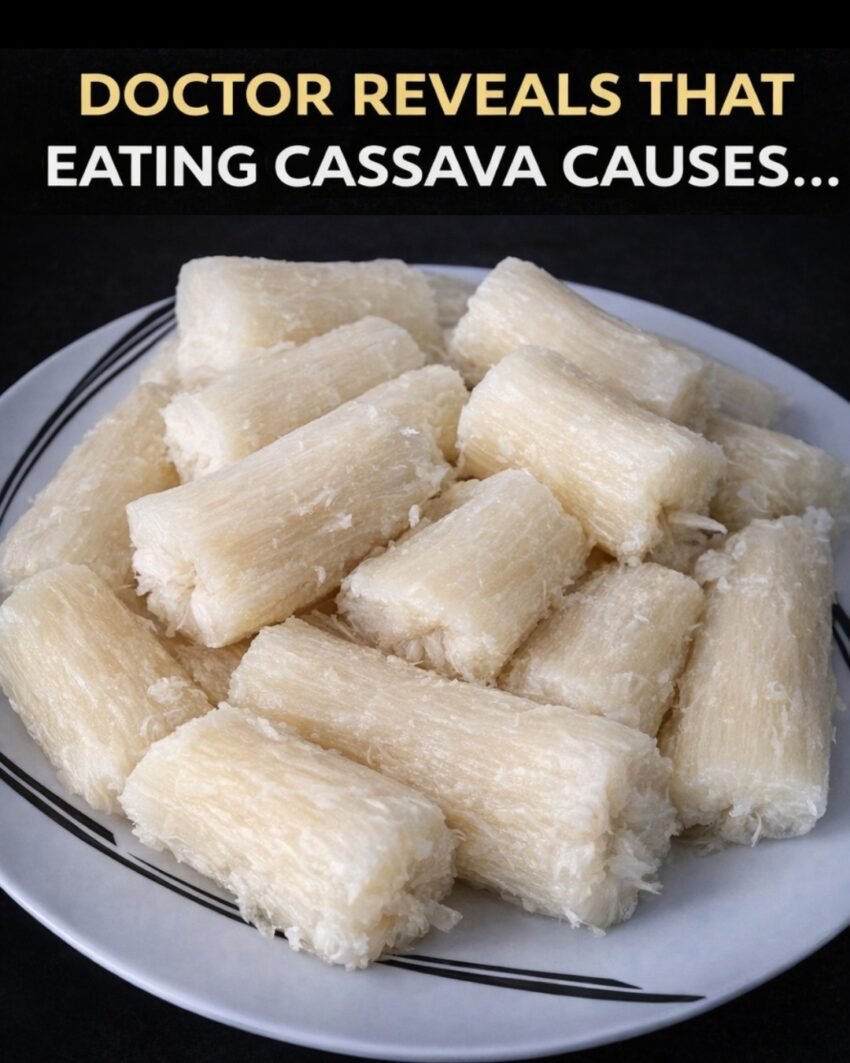
Doctor Reveals What Eating Cassava Really Does to Your Body (Benefits, Risks & Safe Ways to Eat It)
Discover what doctors say about eating cassava—its health benefits, hidden risks, and how to prepare it safely for everyday meals.
Cassava shows up in everything from gluten-free snacks to traditional dishes—and for many people, it’s a daily staple. But recently, you may have seen headlines like: “Doctor reveals what eating cassava causes.”
That kind of statement grabs attention for a reason. Cassava is one of those foods that sits in a gray area: nutritious when prepared correctly, but potentially harmful if handled improperly.
So what’s the truth? Should you be eating it regularly, avoiding it, or being more careful?
Let’s unpack what medical professionals and nutrition experts actually say—without the fear tactics or oversimplification.
What Is Cassava?
Cassava is a starchy root vegetable widely consumed across Africa, South America, and parts of Asia. In the U.S., it’s gaining popularity through:
- Cassava flour (gluten-free baking)
- Tapioca products
- Chips and snacks
It’s naturally:
- Gluten-free
- High in carbohydrates
- Low in fat
What Doctors Say: The Benefits of Eating Cassava
1. A Reliable Energy Source
Cassava is rich in carbohydrates, making it an excellent energy booster.
Doctors often compare it to:
- Potatoes
- Rice
For people needing sustained energy—like athletes or physically active individuals—it can be a useful addition to meals.
2. Gluten-Free Alternative
For individuals with Celiac disease or gluten sensitivity, cassava flour is a valuable substitute.
It allows people to enjoy:
- Bread
- Pancakes
- Baked goods
…without triggering digestive issues linked to gluten.
3. Supports Digestive Health (When Balanced)
Cassava contains resistant starch, which can support gut health by feeding beneficial bacteria.
However, doctors emphasize:
👉 It must be part of a balanced diet with fiber-rich foods.
The Serious Warning Doctors Emphasize
Here’s where the “doctor reveals” headlines come from—and it’s important to understand this clearly.
Cassava Contains Natural Toxins
Raw cassava contains compounds that can produce cyanide in the body if not properly processed.
This doesn’t mean cassava is dangerous—it means:
👉 Preparation is everything.
What Happens If Cassava Is Not Prepared Properly?
Doctors warn that consuming improperly prepared cassava can lead to:
- Headaches
- Dizziness
- Nausea
- In extreme cases, poisoning
Long-term excessive consumption of poorly processed cassava has been linked to neurological conditions in certain parts of the world—but these cases are typically associated with:
- Poor food preparation
- Limited diet variety
- Nutritional deficiencies
Why This Isn’t a Common Problem in the U.S.
In the United States:
- Cassava products are regulated and processed safely
- Store-bought cassava flour and tapioca are already detoxified
- Most people consume cassava in moderate amounts
That means for the average American consumer:
👉 The risk is extremely low when using commercial products.
Real-Life Scenario
Maria, a home cook in Florida, started using cassava flour for gluten-free baking.
At first, she worried after reading about potential toxicity. After consulting a nutritionist, she learned that store-bought cassava flour is completely safe because it’s processed to remove harmful compounds.
She now uses it regularly without concern—while maintaining a balanced diet.
How to Eat Cassava Safely (Step-by-Step)
1. Never Eat It Raw
Raw cassava is not safe. Always cook it thoroughly.
2. Peel It Properly
The skin contains higher concentrations of harmful compounds.
3. Soak It
Soaking helps reduce natural toxins.
4. Cook Thoroughly
Boiling, baking, or frying eliminates remaining risks.
5. Use Trusted Products
Stick to store-bought cassava flour or packaged foods when possible.
Pros and Cons of Eating Cassava
| Pros | Cons |
|---|---|
| Gluten-free | Unsafe if eaten raw |
| High energy source | Low in protein and micronutrients |
| Versatile in cooking | Requires proper preparation |
| Supports gut health | Overconsumption can lead to imbalance |
Common Mistakes People Make
- Eating or tasting raw cassava
- Assuming all natural foods are automatically safe
- Relying on cassava as a primary food source
- Ignoring preparation methods
Expert Tips Most People Don’t Know
- Pair cassava with protein-rich foods to balance nutrition
- Fermented cassava products are often safer and easier to digest
- Moderation matters—variety is key in a healthy diet
2026 Nutrition Insight
In the U.S., cassava is becoming a staple in:
- Gluten-free diets
- Paleo and grain-free lifestyles
- Clean-label packaged foods
However, experts are emphasizing education over hype—helping consumers understand both benefits and risks clearly.
Frequently Asked Questions
1. Is cassava safe to eat daily?
Yes, if properly prepared and consumed as part of a balanced diet.
2. Can cassava be poisonous?
Only if eaten raw or improperly processed.
3. Is cassava flour safe?
Yes, commercially prepared cassava flour is safe to use.
4. What does cassava taste like?
It has a mild, slightly nutty flavor similar to potatoes.
5. Is cassava good for weight loss?
It can fit into a weight-loss plan but is calorie-dense, so portion control matters.
6. Who should avoid cassava?
People relying heavily on it without dietary variety should be cautious.
7. Does cooking remove toxins?
Yes, proper cooking significantly reduces harmful compounds.
8. Is tapioca made from cassava?
Yes, tapioca is derived from cassava root.
Action Checklist
- ✅ Never eat cassava raw
- ✅ Use trusted, processed products
- ✅ Cook thoroughly every time
- ✅ Pair with a balanced diet
- ✅ Avoid over-reliance on cassava alone
Conclusion
Cassava isn’t something to fear—but it is something to respect.
Doctors aren’t warning people to avoid it—they’re emphasizing proper preparation and balanced consumption. When handled correctly, cassava can be a safe, versatile, and valuable part of your diet.
Cassava is safe and beneficial when prepared properly—but dangerous shortcuts can lead to real health risks. Knowledge is what makes the difference.
Have you tried cassava or cassava-based foods? Share your experience, favorite recipes, or questions—your insight could help others make safer, smarter choices.