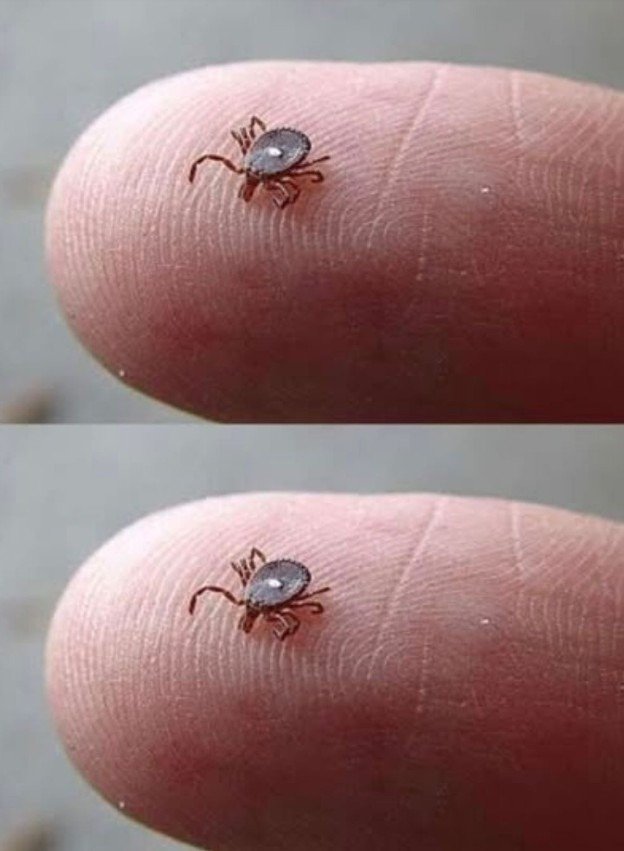
“Does Anyone Know What This Is?” The Tiny Creature Many People Mistake—But It’s Actually a Female Lone Star Tick
Found a strange bug with a white dot on its back? It may be a female Lone Star tick. Learn how to identify it, where it lives, and what to do if you find one.
A Strange Bug With a White Dot That Leaves People Confused
Every year, thousands of people post photos online asking the same question:
“Does anyone know what this is? I’ve never seen one like it before.”
The creature is usually small, brown, and spider-like. But what really catches people’s attention is a distinct white dot on its back.
Many assume it’s:
-
A strange beetle
-
A spider
-
A harmless outdoor insect
But entomologists quickly recognize it.
It’s typically a female Lone Star Tick.
Understanding what this tick looks like—and why it matters—can help people respond appropriately if they encounter one.
How to Identify a Female Lone Star Tick
The female Lone Star tick has a very recognizable feature.
Key Identification Characteristics
-
Single white spot on the back
-
Reddish-brown body
-
Eight legs (like other ticks)
-
Size roughly similar to a sesame seed when unfed
-
Larger and more rounded after feeding
The white spot, sometimes called the “lone star,” is what gives the species its name.
Male ticks of the same species look different and do not have the single white dot.
Where Lone Star Ticks Are Commonly Found
These ticks are widely distributed across parts of the United States.
They are particularly common in:
-
The southeastern U.S.
-
The eastern U.S.
-
Parts of the Midwest
In recent years, their range has expanded northward into additional states.
They often live in:
-
Wooded areas
-
Tall grass
-
Brushy environments
-
Parks and hiking trails
Ticks typically wait on vegetation and attach to animals or humans that brush past them.
Why This Tick Gets So Much Attention
The female Lone Star tick has drawn increasing attention in recent years because it has been associated with a unique reaction called:
Alpha-gal Syndrome
This condition can trigger an allergic reaction to red meat in some individuals after a tick bite.
Researchers are still studying exactly how and why this happens, but the tick’s saliva appears to introduce a sugar molecule that can alter the body’s immune response.
Not everyone bitten by this tick develops the condition, but awareness has increased due to growing research.
Other Health Concerns Linked to Lone Star Ticks
Like many ticks, the Lone Star tick can also carry pathogens.
Some illnesses associated with tick exposure include:
-
Ehrlichiosis
-
Southern Tick-Associated Rash Illness
However, it is important to note that not every tick carries disease, and many bites cause no illness at all.
Public health agencies recommend taking precautions when spending time in tick-prone areas.
What to Do If You Find One on Your Skin
If you discover a tick attached to your skin, experts recommend removing it carefully.
Step-by-Step Removal
-
Use fine-tipped tweezers.
-
Grasp the tick as close to the skin as possible.
-
Pull upward slowly and steadily.
-
Avoid twisting or crushing the tick.
-
Clean the bite area with soap and water.
The Centers for Disease Control and Prevention recommends monitoring the bite area for unusual symptoms afterward.
If you develop fever, rash, or other symptoms, contacting a healthcare provider is advised.
How to Reduce Your Risk of Tick Bites
Prevention is often the best strategy.
Helpful Tips
-
Wear long sleeves and long pants in wooded areas
-
Use insect repellents approved by health authorities
-
Stay in the center of trails when hiking
-
Check clothing and skin after outdoor activities
-
Shower soon after coming indoors
Checking for ticks is especially important around:
-
Hairline
-
Underarms
-
Behind knees
-
Waistline
-
Around ears
Ticks prefer warm, hidden areas of the body.
Why People Often Misidentify This Tick
Many people mistake the female Lone Star tick for other creatures because:
-
The white spot looks unusual
-
It resembles small spiders
-
It may appear suddenly after outdoor activities
Ticks are arachnids, meaning they are more closely related to spiders than insects.
Their small size also makes them difficult to recognize.
Frequently Asked Questions
Is the Lone Star tick dangerous?
Most bites do not cause illness, but the species can transmit certain pathogens and has been linked to alpha-gal syndrome in some cases.
What does the white dot mean?
The white spot is a natural marking that identifies female Lone Star ticks.
Where are these ticks found?
They are most common in the southeastern and eastern United States but have expanded into other regions.
Are they active year-round?
They are most active during spring and summer, though activity may vary by climate.
Can pets get them?
Yes. Dogs and other animals can also encounter these ticks outdoors.
Should you save the tick after removing it?
Some people place it in a sealed container in case identification is needed later.
Do all bites cause allergic reactions?
No. Alpha-gal syndrome develops only in some individuals after exposure.
How big do they get?
Unfed ticks are very small, but after feeding they can become significantly larger.
Quick Identification Checklist
If you find a tick and want to check whether it might be a female Lone Star tick, look for:
✔ A single white dot on the back
✔ Reddish-brown body
✔ Eight legs
✔ Found in wooded or grassy environments
If all these features match, it may be a female Lone Star tick.
Conclusion
Finding a strange bug on your skin or clothing can be alarming—especially when it has unusual markings like a bright white dot.
In many cases, that mystery creature turns out to be a female Lone Star tick, a species commonly found in parts of the United States.
While most encounters do not lead to serious problems, understanding how to identify ticks and remove them safely can help reduce potential risks.
Awareness and prevention remain the best tools for staying safe outdoors.
If you see a small reddish-brown tick with a single white spot on its back, it is likely a female Lone Star tick. Recognizing it early helps you remove it safely and take proper precautions.
If you’ve ever encountered one of these ticks outdoors, feel free to share your experience or ask questions in the comments. Awareness helps others recognize them too.