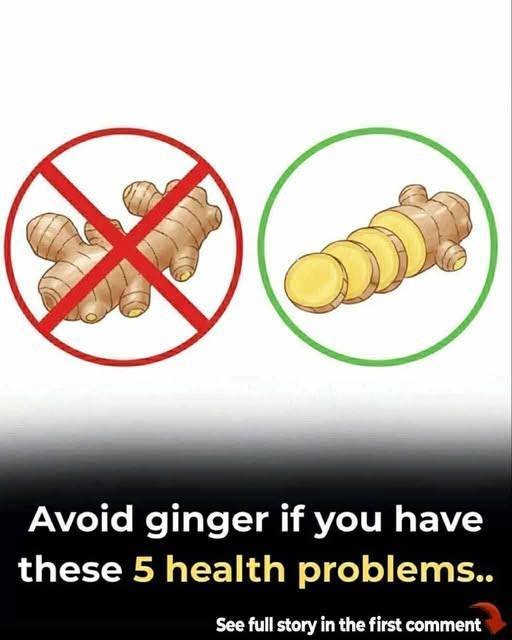
Warning: Don’t Use Ginger If You Belong to These 5 Groups of People (Backed by Science)
Ginger has powerful health benefits—but it’s not safe for everyone. Discover 5 groups who should avoid ginger and what to do instead.
It’s Natural… But That Doesn’t Mean It’s Safe for Everyone
Ginger is everywhere.
From morning detox drinks to herbal teas and supplements, it’s often promoted as a natural cure-all for digestion, inflammation, and even immunity.
But here’s the truth most people don’t hear:
👉 Natural doesn’t always mean harmless.
For some individuals, ginger can actually worsen health conditions, interact with medications, or trigger unwanted side effects.
If you fall into one of the groups below, using ginger casually—especially in large amounts—might not be as safe as you think.
Let’s walk through who should be cautious, why it matters, and how to protect yourself.
What Makes Ginger So Powerful (and Potentially Risky)
Before we get into who should avoid it, it helps to understand why ginger has such strong effects.
Ginger contains bioactive compounds like:
- Gingerol
- Shogaol
These compounds can:
- Thin the blood
- Lower blood sugar
- Reduce inflammation
- Affect digestion and stomach acid
All of these can be beneficial… unless your body or medications already influence those same systems.
That’s where problems can start.
1. People Taking Blood-Thinning Medications
If you’re on medications that affect blood clotting, ginger could increase your risk of bleeding.
Why It’s Risky
Ginger naturally has anticoagulant properties, meaning it can slow down blood clotting.
When combined with medications like:
- Warfarin
- Aspirin
- Clopidogrel
…it may amplify their effects.
What Could Happen?
- Easy bruising
- Nosebleeds
- Internal bleeding (in severe cases)
Real-World Example
A patient taking Warfarin starts drinking ginger tea daily for digestion. Within weeks, they notice unusual bruising—something their doctor later links to increased blood-thinning effects.
What to Do Instead
- Limit ginger intake
- Talk to your doctor before adding supplements
- Monitor for unusual bleeding symptoms
2. People with Gallstones or Gallbladder Issues
This is one of the most overlooked risks.
Why It’s Risky
Ginger can stimulate bile production, which helps digestion—but can also aggravate gallbladder conditions.
If You Have:
- Gallstones
- History of gallbladder pain
- Gallbladder disease
Ginger may trigger discomfort or complications.
Possible Symptoms
- Sharp abdominal pain
- Nausea
- Digestive distress
Smart Approach
If you’ve ever had gallbladder issues, don’t assume ginger is harmless—even in tea form.
3. People with Low Blood Pressure
Ginger is known to help reduce high blood pressure.
Sounds great, right?
Not if your blood pressure is already low.
Why It’s Risky
Ginger can:
- Dilate blood vessels
- Lower blood pressure further
Potential Effects
- Dizziness
- Fainting
- Weakness
- Blurred vision
Especially Important If You:
- Already have hypotension
- Take blood pressure medications
Practical Tip
If you often feel lightheaded when standing up, be cautious with ginger intake.
4. People with Diabetes (Without Medical Supervision)
Ginger may help regulate blood sugar—but this can become a problem if not monitored.
Why It’s Risky
Ginger can lower blood glucose levels, which may:
- Enhance the effect of diabetes medications
- Lead to hypoglycemia (low blood sugar)
Medications That May Interact
- Insulin
- Metformin
Warning Signs of Low Blood Sugar
- Shakiness
- Sweating
- Confusion
- Rapid heartbeat
Safer Strategy
- Monitor blood sugar closely
- Avoid high-dose ginger supplements
- Consult your healthcare provider
5. Pregnant Women (Especially in High Amounts)
Ginger is often recommended for morning sickness—but dosage matters.
The Concern
While small amounts may be safe, high doses of ginger have been linked to potential risks, including:
- Hormonal effects
- Increased bleeding risk
- Possible complications late in pregnancy
What Experts Say
Organizations like American Pregnancy Association suggest moderation and medical guidance.
Safe Use Guidelines
- Stick to low, dietary amounts
- Avoid concentrated supplements unless approved
- Always consult your OB-GYN
How Much Ginger Is Too Much?
For most healthy adults:
- 1–3 grams per day is generally considered safe
But risk increases when:
- Combined with medications
- Taken in supplement form
- Used excessively over long periods
Common Mistakes People Make with Ginger
1. Assuming “Natural” Means Safe for Everyone
Herbal doesn’t equal risk-free.
2. Overusing Supplements
Capsules and extracts are far more concentrated than food.
3. Ignoring Medication Interactions
This is one of the biggest risks.
4. Not Mentioning It to Your Doctor
Many people forget to disclose herbal use.
Expert Tips Most People Don’t Know
- Fresh ginger is less concentrated than supplements
- Tea is generally safer than capsules
- Timing matters—avoid combining with medication doses
- Start small and observe your body’s response
When Ginger Is Actually Beneficial
Let’s be fair—ginger can be helpful for many people.
Proven Benefits Include:
- Reducing nausea
- Supporting digestion
- Anti-inflammatory effects
- Mild immune support
The key is using it appropriately for your body and situation.
Mini Case Scenario
James, 52 (Florida)
- Takes medication for blood pressure and cholesterol
- Starts daily ginger shots for “heart health”
After a few weeks:
- Experiences dizziness and fatigue
Doctor identifies:
- Blood pressure dropping too low due to combined effects
Lesson: Even healthy habits can backfire without context.
Frequently Asked Questions (FAQs)
1. Is ginger completely unsafe?
No. It’s safe for most people in moderate amounts.
2. Can I drink ginger tea daily?
Usually yes—unless you fall into a high-risk group.
3. Are ginger supplements risky?
They can be, due to high concentration.
4. Does ginger interact with medications?
Yes, especially blood thinners and diabetes drugs.
5. Can ginger cause heart problems?
Indirectly, if it affects blood pressure or medication balance.
6. Is ginger safe for older adults?
Generally yes, but medication interactions are more common.
7. Can I take ginger with food?
Yes, and it’s often safer this way.
8. What are signs I should stop using ginger?
Bleeding, dizziness, or unusual symptoms.
9. Is dried ginger different from fresh?
Yes—dried is more concentrated.
10. Should I consult a doctor before using ginger?
If you have any medical condition or take medication—absolutely.
Action Checklist: Stay Safe with Ginger
- ✔ Check if you’re in a high-risk group
- ✔ Avoid high-dose supplements without guidance
- ✔ Monitor your body’s response
- ✔ Talk to your doctor if unsure
- ✔ Use ginger in moderation
Ginger is powerful—and that’s exactly why it deserves respect.
For many people, it’s a helpful addition to a healthy lifestyle.
But for others, it can quietly create complications.
The key is awareness, not avoidance.
Final Thoughts: Smart Health Choices Beat Trendy Habits
Health trends come and go—but your body isn’t a trend.
Before adding anything new—even something as common as ginger—take a moment to ask:
👉 Is this right for me?
Because the best health decisions are informed, personalized, and intentional.
Join the Conversation
Have you experienced any side effects from ginger—or found it helpful?
Share your experience below. Your insight might help someone else make a safer, smarter choice.
And if this article helped you, pass it along—because sometimes, the smallest habits can have the biggest impact.